
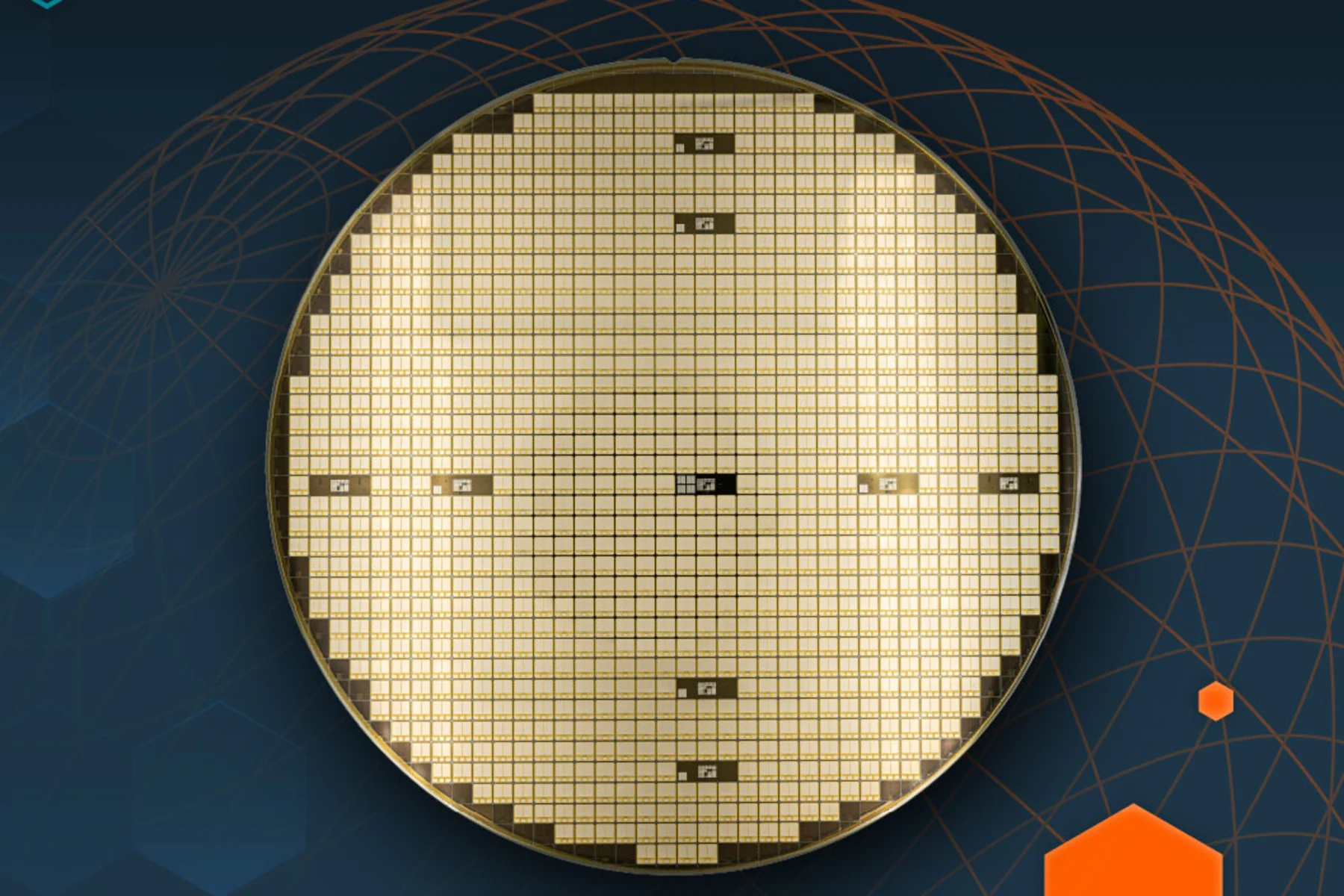
US semiconductor manufacturer Onsemi has introduced the fourth generation of its silicon carbide technology with EliteSiC M4. The new platform is set to increase power density by up to 30 per cent and reduce losses by up to 35 per cent. This could benefit, among other things, the drivetrain systems of electric vehicles.
Onsemi has introduced a new generation of silicon carbide (SiC) semiconductors with its EliteSiC M4 platform. Based on a trench architecture, the platform is designed to reduce both conduction and switching losses compared to its predecessor. The technology targets electric vehicle manufacturers, enabling them to develop more compact and efficient traction inverters.
According to Onsemi, EliteSiC M4 delivers up to 30 per cent higher power density with up to 35 per cent lower losses. As a result, inverters can achieve the same power output in a smaller form factor while requiring less cooling. In electric vehicles, these components convert the direct current from the battery into alternating current for the electric motor. Higher efficiency can reduce energy consumption and improve range.
Technically, Onsemi has revised the semiconductor structure. The specific on-resistance is reduced by 20 to 50 per cent compared to the previous generation. Additionally, the manufacturer reports a 67 per cent improvement in switching characteristics for hard-switching applications and a 50 per cent improvement for soft-switching applications. These figures refer to technical parameters of the semiconductors and do not directly translate to a corresponding reduction in losses across the entire powertrain system.
The new platform also supports various existing package types, including top-side cooled SMD packages and power modules.
Source link