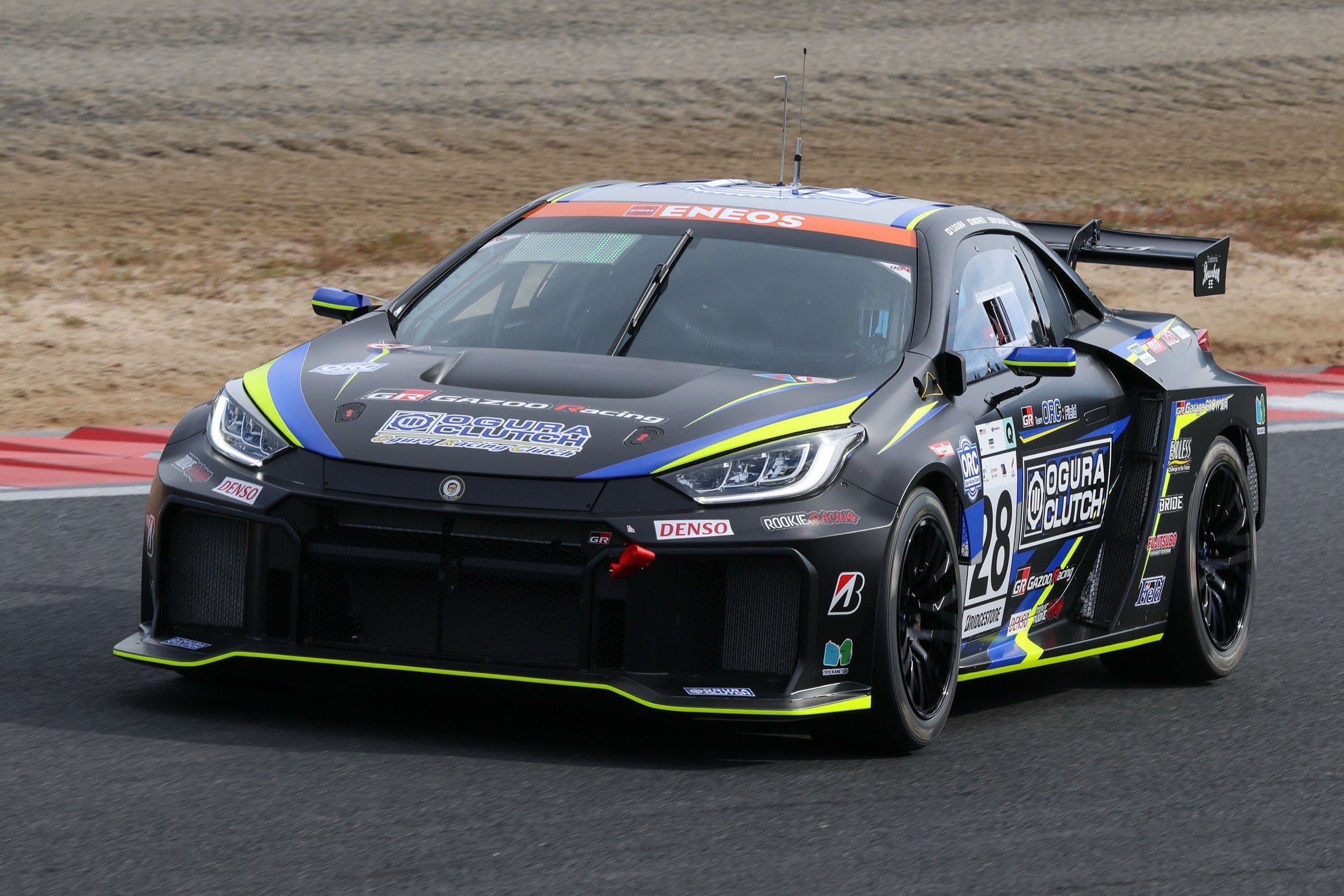

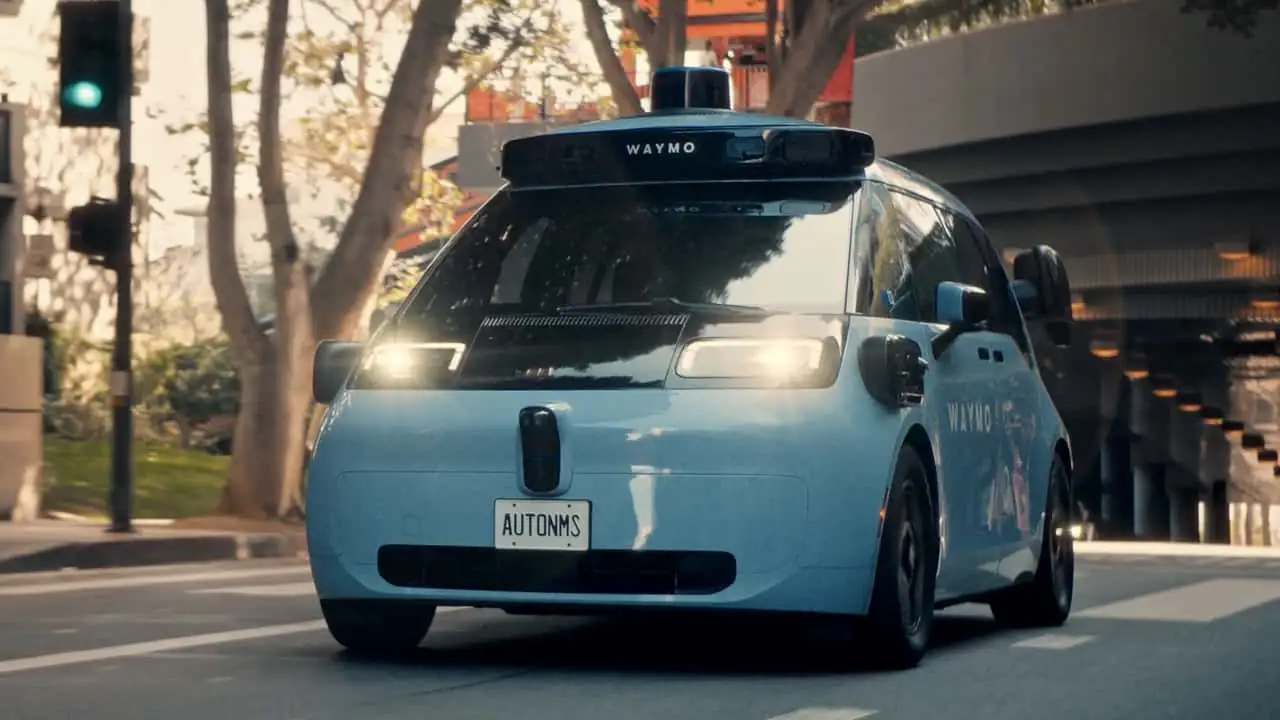
Researchers at Sweden's Chalmers University have developed an optimisation method to more efficiently guide autonomous electric taxis through urban traffic. The approach combines AI forecasts with mathematical models and is designed to account for unpredictable factors such as unusual weather conditions.
Autonomous electric taxis not only have the potential to make urban traffic more efficient and environmentally friendly but could also reduce costs per kilometre by up to 60 per cent compared to conventional taxis, a report from Stanford University shows. However, one major challenge in operating autonomous taxis is fleet coordination.
One of the main everyday issues is rush-hour traffic: in the mornings, many passengers want to travel to the city centre, and in the evenings, they want to leave. Self-driving vehicles therefore often have to return empty to be available again at the starting points. With electric cars, the necessary intermediate charging adds another layer of complexity. Without forward-looking planning, this risks causing congested roads, long waiting times and imbalanced usage of charging stations.
To address this bottleneck, a research team at Chalmers University in Sweden, in collaboration with Volvo Cars, is using a combination of machine learning and classical optimisation. For predicting passenger demand and available charging stations, the team employs Bayesian Neural Networks (BNNs), which have been trained using historical taxi data from San Francisco and Chicago.
The key advantage of this machine learning method is that BNNs not only calculate pure probabilities but also provide estimates of how uncertain their own predictions are. If passenger behaviour changes spontaneously – due to factors such as sudden rain, for example – the fleet management system remains stable.
Source link