Extended-range electric vehicles (EREVs) are gaining momentum, especially in the US, with customers turning away from fully electric vehicles in favor of hybrids. But not everyone is convinced there's a need for another type of powertrain.
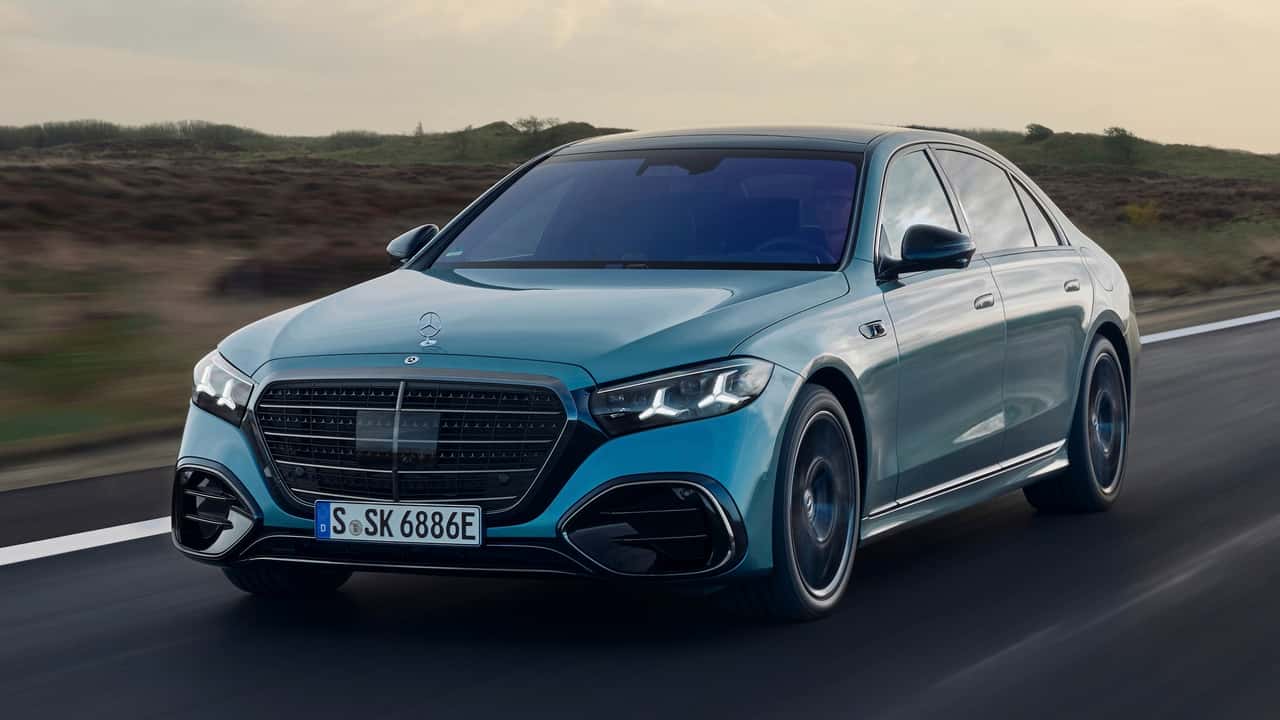
Mercedes-Benz doesn't see much demand for EREVs among its customers, arguing that its plug-in hybrids already offer enough electric range for daily driving without giving up the convenience of a gasoline engine.
Christoph Starzynski, Mercedes-Benz's Vice President of Product Strategy and Product Steering, explained the company's position to Motor1 when asked about the appeal of range-extender technology. He believes that the Mercedes lineup already has a compelling solution:
'[We] have a [plug-in] hybrid with 100-plus kilometers [of range]. For me, for the day-to-day drive, that is more than enough. [...] What else do you need? I know that there are areas in the world where there is a higher demand [for EREVs], but not for us, from our customer perspective. We don't see that.'
Unlike most conventional plug-in hybrids, EREVs use their electric motors to drive the wheels, while a smaller gasoline engine adds additional juice when the battery gets low. Typically, that means more electric range than a PHEV.
But Mercedes doesn't think more electric range automatically makes a plug-in hybrid more appealing. Starzynski points to the company's current fleet of plug-in hybrids, which offer upwards of 77 miles (124 kilometers) of electric range in Europe, as a practical solution for everyday driving.
With DC fast charging available on those models, he also argues that owners can recharge during longer stops and still have a gasoline engine available when they need it.
Source link