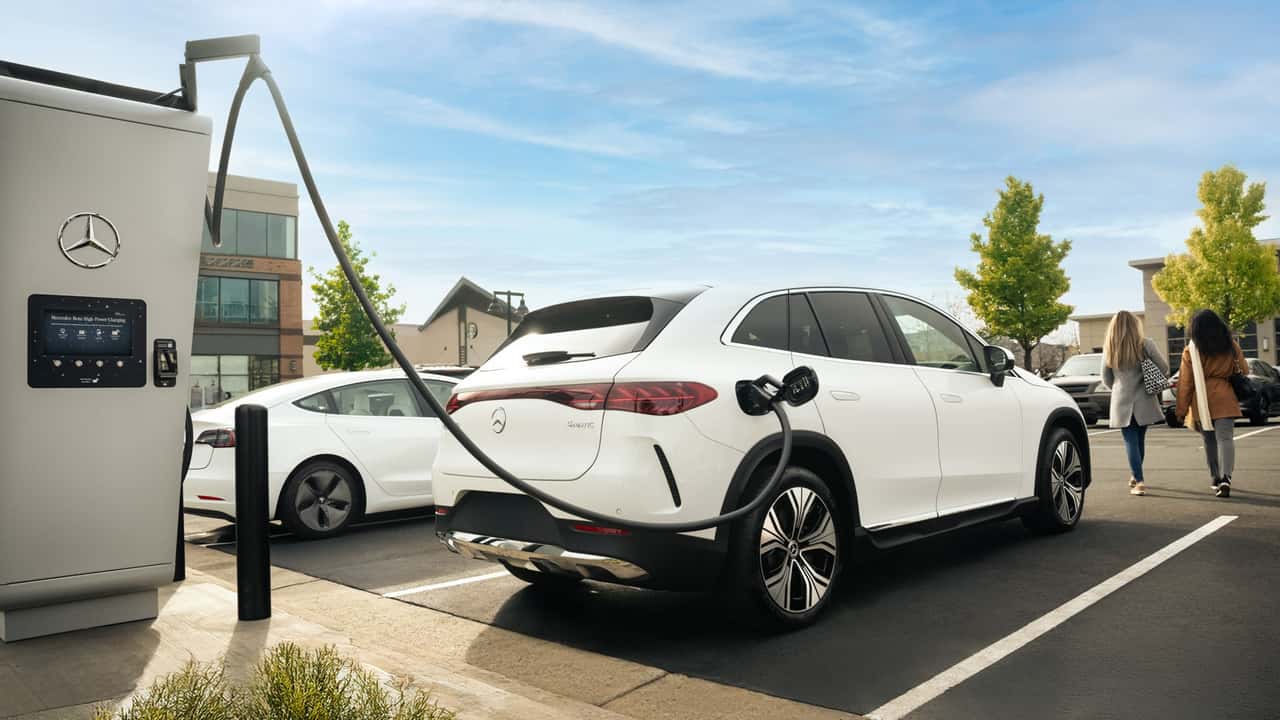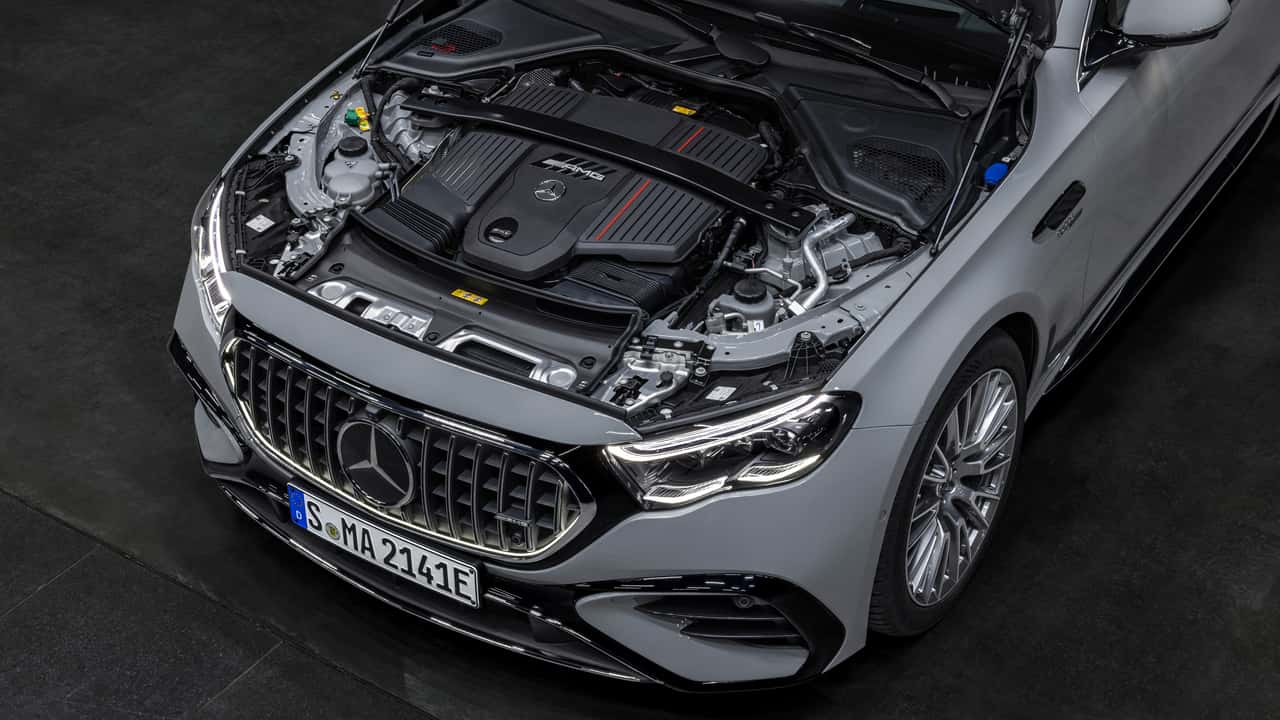
Mercedes-Benz is not done with combustion yet. Chairman Ola Källenius told reporters at a media roundtable in Pune that gas and diesel engines still have a long runway ahead, even as the automaker pushes further into electric models.
Speaking to the trade press in India, Källenius laid out a timeline that stretches well past the end of this decade. He also detailed how diesel, combustion engines developed as EU-7 ready for future Euro 7 rules, and a growing electric lineup fit together under one strategy.
"The combustion engine, it will be around for minimum 10, probably 15 years more," Källenius said, according to Autocar India. He described the broader shift to electric mobility as a 20 to 25-year industrial transformation, not something that wraps up by 2030 or 2035.
The company is investing in its combustion lineup ahead of the Euro 7 emissions standard, with a range of engines that Mercedes describes as EU-7 ready rather than already certified under the new rules. That includes its newest V8, which remains in production for select high-end models alongside plug-in hybrids and full electric cars.
Källenius was careful to separate the combustion timeline from the company's end goal. "As long as there's meaningful demand for... high-tech, in our case electrified ICE, we have that as well," he said, tying the engines' survival to customer demand.
Mercedes-Benz is running a 40-model program over three years, spanning both electric and combustion vehicles, according to Autocar India . That pipeline includes the automaker's new models arriving through 2026 and 2027 , mixing gas, diesel, and battery power across the lineup.
Source link