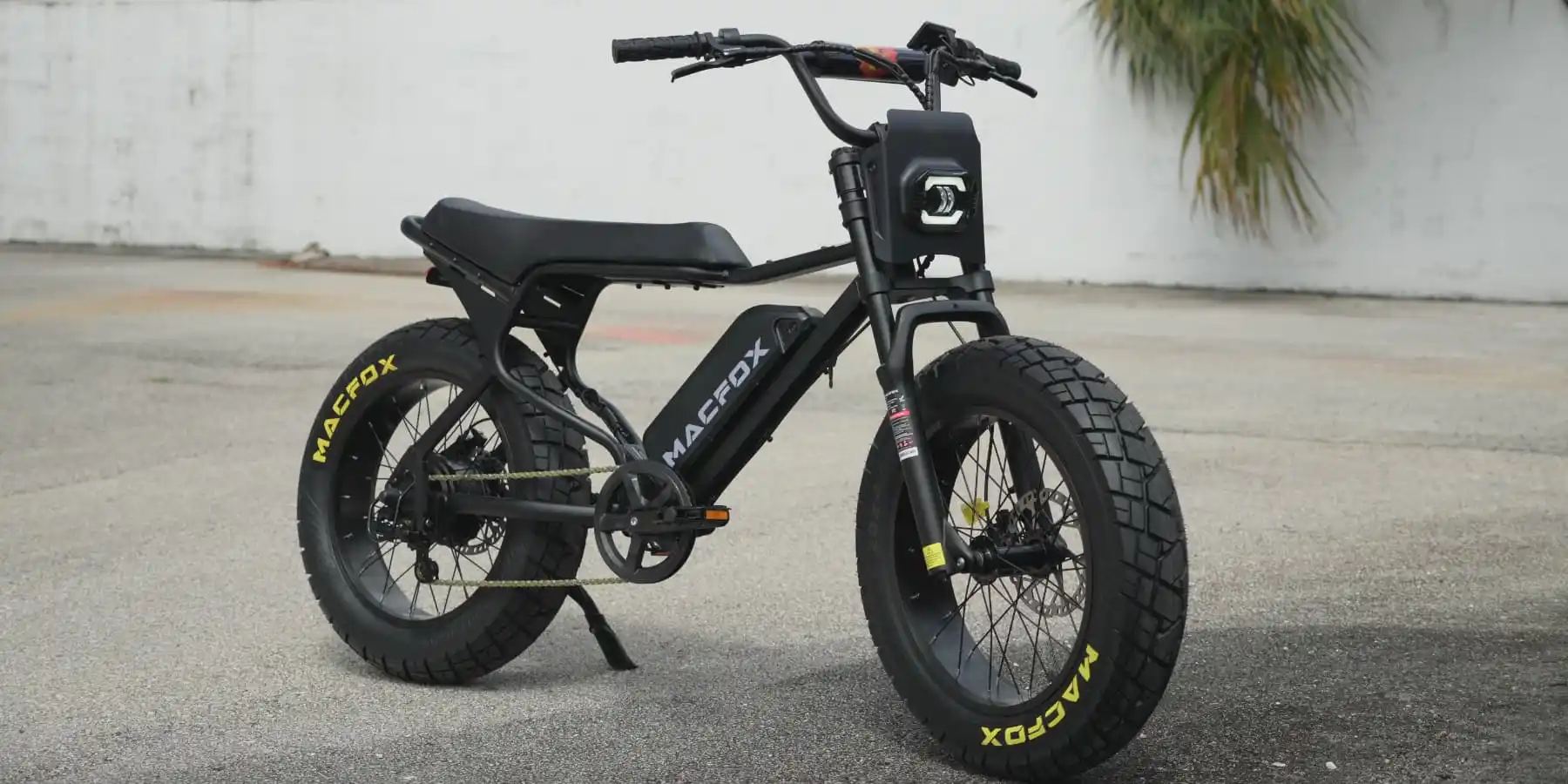
Illinois just signed a sweeping new electric bicycle law that, among many other changes, finally answers a question that has been hanging over the rapidly growing market for high-powered electric bikes: What exactly are we supposed to do with all of these 35 and 40 mph “e-bikes” that don’t fit into the normal three-class electric bicycle system?
The answer, at least in Illinois, is to treat them more like motorcycles.
It’s a solution to a growing issue in the e-bike industry, which spans a wide range of electric two-wheelers. Even the term itself has become problematic, as “e-bikes” has been applied to everything from electric-assisted children’s bikes to full-size electric motorcycles from manufacturers like Zero and Harley-Davidson.
More specific legal terms such as “electric bicycles” has helped differentiate the various types of e-bikes further. “Electric bicycles” are a legal group, typically split into Class 1, 2, or 3 models in most states that are widely accepted as street legal in the US and can have top speeds of between 20 to 28 mph (32 to 45 km/h) depending on the class. Further down the spectrum are more powerful e-bikes that still fall below traditional full-size electric motorcycles and are sometimes referred to as “e-motos.” They can often reach speeds of 35 to 40 mph – or more – and fall outside the widely agreed-upon electric bicycle classification system.
These faster models are generally not legal for use on public roads in most states and thus are considered off-road only vehicles, despite many being predominantly operated on-road in spite of legal restrictions.
Source link
![Robot delivery dog dumps hot steaming packages on your doorstep [video]](https://images.themorningpulse.fyi/uploads/2026/08/rss-mtef3za1-uu44gh-2.webp)