It’s no secret that electric cars are more affordable to maintain than their gasoline-powered counterparts. While they may have a higher purchase price than a comparable gas-powered vehicle, EVs can save owners money over time by eliminating the need for regular engine oil changes, emissions tests, and other traditional maintenance tasks. Affordable electric vehicles are also becoming increasingly common, with even more options expected to arrive in the coming years.
However, that doesn't mean electric cars are completely maintenance-free. Like any other vehicle, EVs require regular care and attention to remain reliable and perform at their best for many years.
Although they don't have conventional combustion engines or traditional automatic transmissions, electric cars still feature components that require periodic maintenance. These include reduction gearboxes, brake fluid, brake pads, coolant systems, and tires among other things. Keeping these components in good condition is essential to ensuring an EV's long-term reliability.
ERANGE EV tires are purpose-built for electric vehicles, combining efficiency, comfort and performance with advanced EcoPoint3 technology.
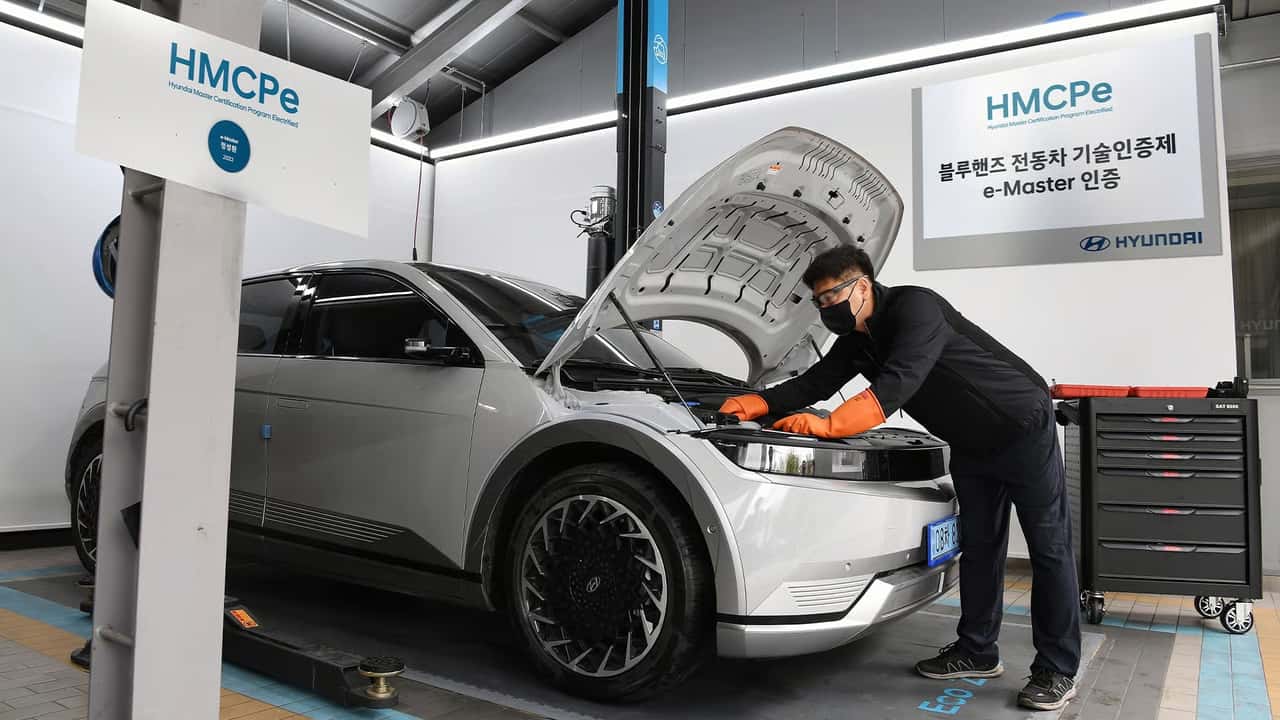
For the second installment of our EV maintenance series, I'll be taking a closer look at the Hyundai Ioniq 5, one of the most recognizable electric crossovers on the market. Made in the United States and South Korea, the Ioniq 5 has long been one of the biggest rivals to the ubiquitous Tesla Model Y.
I'll break down Hyundai's recommended maintenance schedule, explaining which items are required to keep the vehicle running smoothly over the long term.
Compared to Tesla , which is known for its rather skimpy maintenance plan , Hyundai includes a generous list of maintenance items in the owner’s manual.
Source link