Tapes can simplify complex processes, support robotic assembly, reduce scrap, and more.
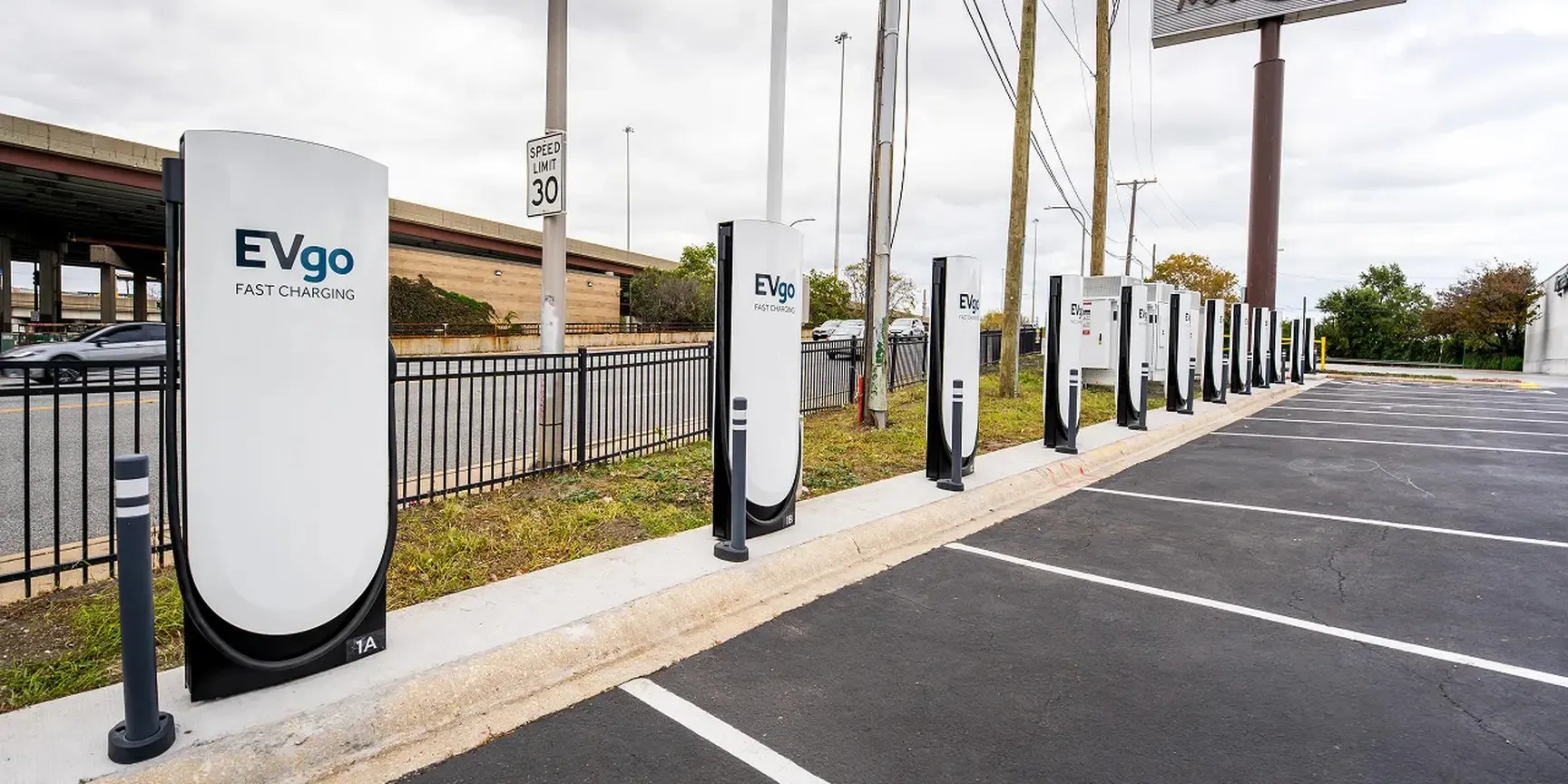
Globally, more than 60 million EVs are now on the road. It’s a number that might have seemed unimaginable just a few years ago. It underscores how EV OEMs have moved beyond needing only to prove feasibility, and must now prove manufacturability — the ability to scale-up rapidly while maximizing quality, safety and profits.
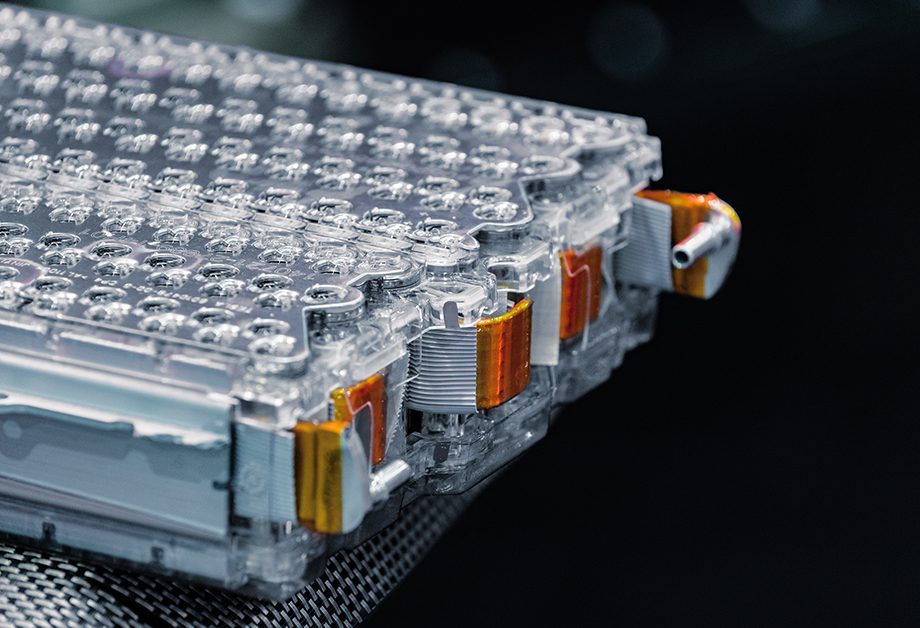
The same holds true for EV and e-mobility batteries. While the technology continues to evolve, the path to marketability now goes through manufacturing. Winning providers will be those that can optimize their production processes, automate effectively and produce high quality at a low cost.
That path may seem daunting. But there are strategies available that can result in greater quality and throughput. One such strategy is materials selection, particularly that of pressure-sensitive adhesive (PSA) tapes.
PSA tapes are a mature, sophisticated and diverse technology used in a wide range of industries, including automotive and transportation. Depending on its configuration, a tape may feature one or two adhesives that bond to a substrate upon the application of light pressure, a facestock that provides dimensional stability and other qualities, and a liner that protects the adhesive until its application.
These versatile tapes can easily fit in tight spaces while helping limit a pack’s overall mass. They offer clean and repeatable application and are typically compatible with automated production processes.
From a manufacturing perspective, such benefits may make PSA tapes an enhanced alternative choice to liquid adhesives, which require cure time and have variance in their application; and mechanical fasteners, which increase part count and mass.
Source link