The US automakers’ stop/start approach to electrification has been compared (by me) to the stereotypical comedic representation of an inept driver, alternately flooring the accelerator and slamming on the brakes. After slamming on the brakes in 2025, GM now appears to be stepping on the prissy pedal again, announcing a new, fourth-generation EV platform.
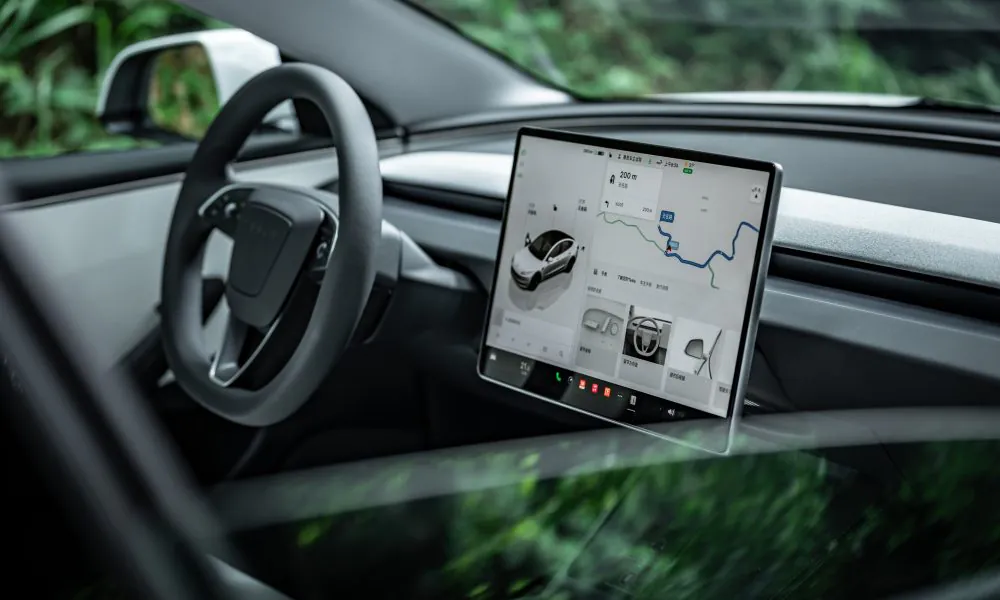
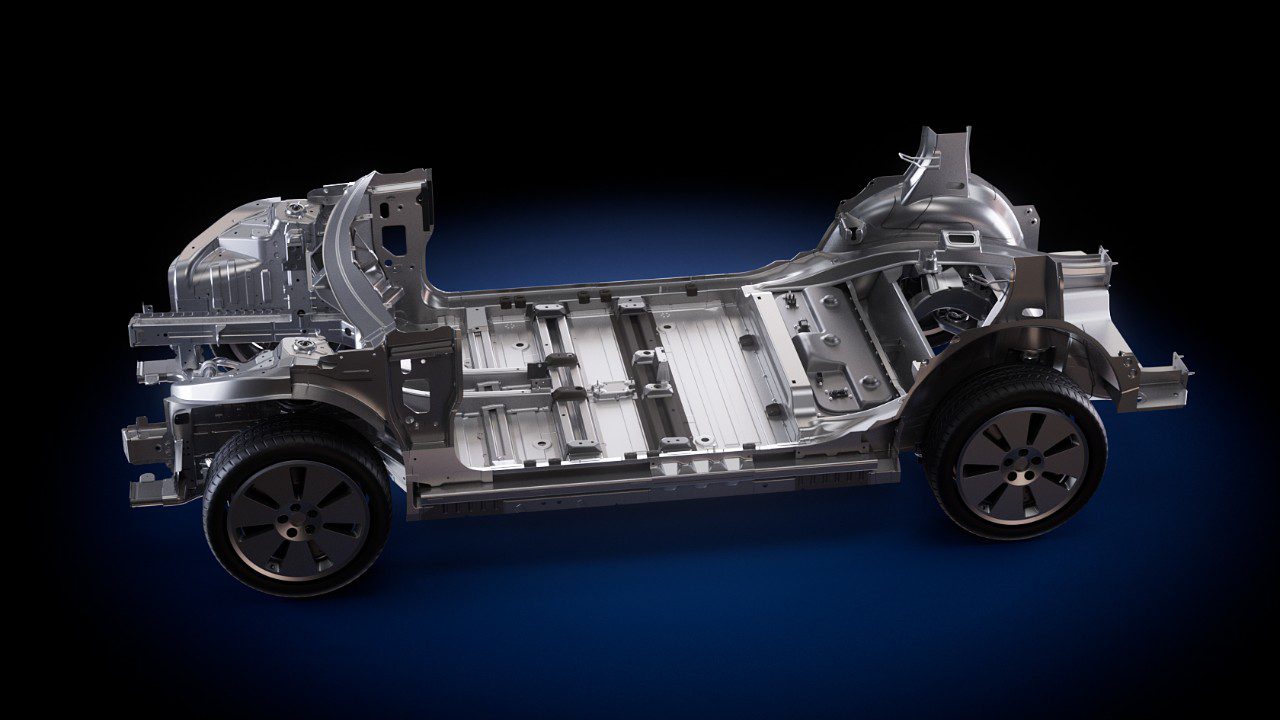
The new platform (as far as we know, GM hasn’t announced any catchy name for it) features lithium manganese-rich (LMR) batteries, centralized computing and updated Super Cruise technology. More efficient electric propulsion, aerodynamic improvements and other advances are expected to deliver approximately 20% more range per kilowatt-hour of energy.
At the center of the platform is LMR battery chemistry in prismatic cells produced by GM’s Ultium Cells joint venture with LG Energy Solution in Spring Hill, Tennessee. According to GM, developing a new battery chemistry traditionally requires building and physically testing hundreds or thousands of cell designs, a process that can take years. GM used computer modeling to evaluate more than 300,000 battery designs before building a physical prototype. The team moved from its initial LMR battery pack concept to formal program approval in one month.
Across all the major vehicle systems, the order of the day is more performance in smaller, lighter and cheaper packages.
The EV manufacturing process has also been updated. Assembly workers will have access to detailed production data, and digital models will enable manufacturing teams to test production steps and identify safety or ergonomic concerns before installing new hardware.
GM says the new approach has helped reduce the time required to move battery packs through the production process by 30%.
Source link