Your electric vehicle battery may last longer than you think. Ford says its EV batteries retain greater than 90% health on average after 100,000 miles. Here are a few tips to keep yours healthy.
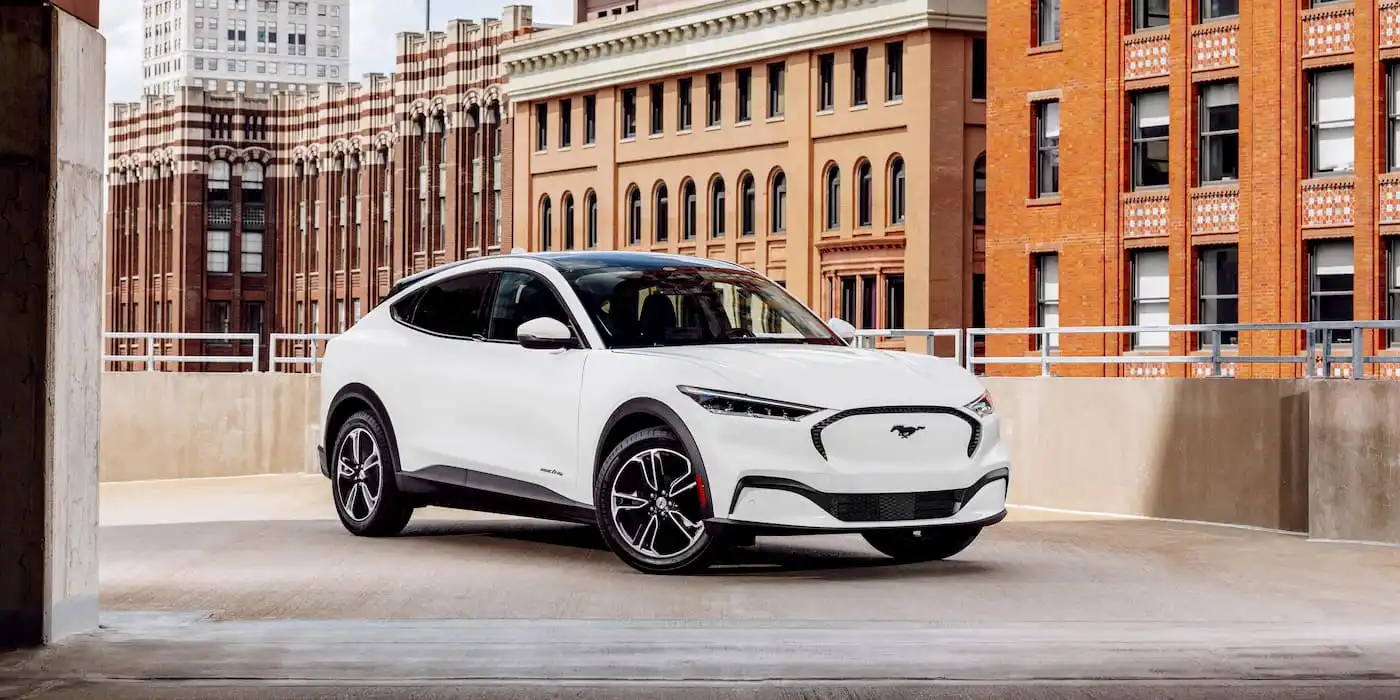
The Mustang Mach-E went on sale in late 2020 as Ford’s first fully electric crossover SUV designed from the ground up.
Since launching the 2021 Mustang Mach-E, Ford has been collecting data from over 36,000 vehicles that have traveled two billion miles across the US and Canada.
According to Ford, the Mach-E’s battery has retained 92% of its health on average over the past five years.
Across its full EV lineup, including the F-150 Lightning and E-Transit, Ford said its battery packs maintain more than 90% health on average after 100,000 miles. The key number to look at is the spread, with 95% of vehicles falling between 87% and 97% health.
Of 2021 model-year EV owners, Ford said, more than 2,000 have crossed 100,000 miles with their original battery averaging better than 91% health, while over 30 have crossed the 200,000-mile mark and average 88% health.
Ford is using real-world data to help owners take good care of their electric vehicles, no matter how much they know about batteries and other EV tech.
It’s also applying lessons from developing the Universal Electric Vehicle (UEV) platform, which will underpin its next-generation EVs, starting with the Fantom pickup next year.
Ford offered a few simple, everyday tips to help owners support long-term battery health. For one, if possible, charge at home on Level 2 for daily commuting or driving and save DC fast charging for longer trips.
Source link