Many consumers are still leery of battery-electric vehicles. Charging infrastructure, reliability, and high costs are well-known hurdles, but fears of premature battery failures and expensive replacements are likely overblown.
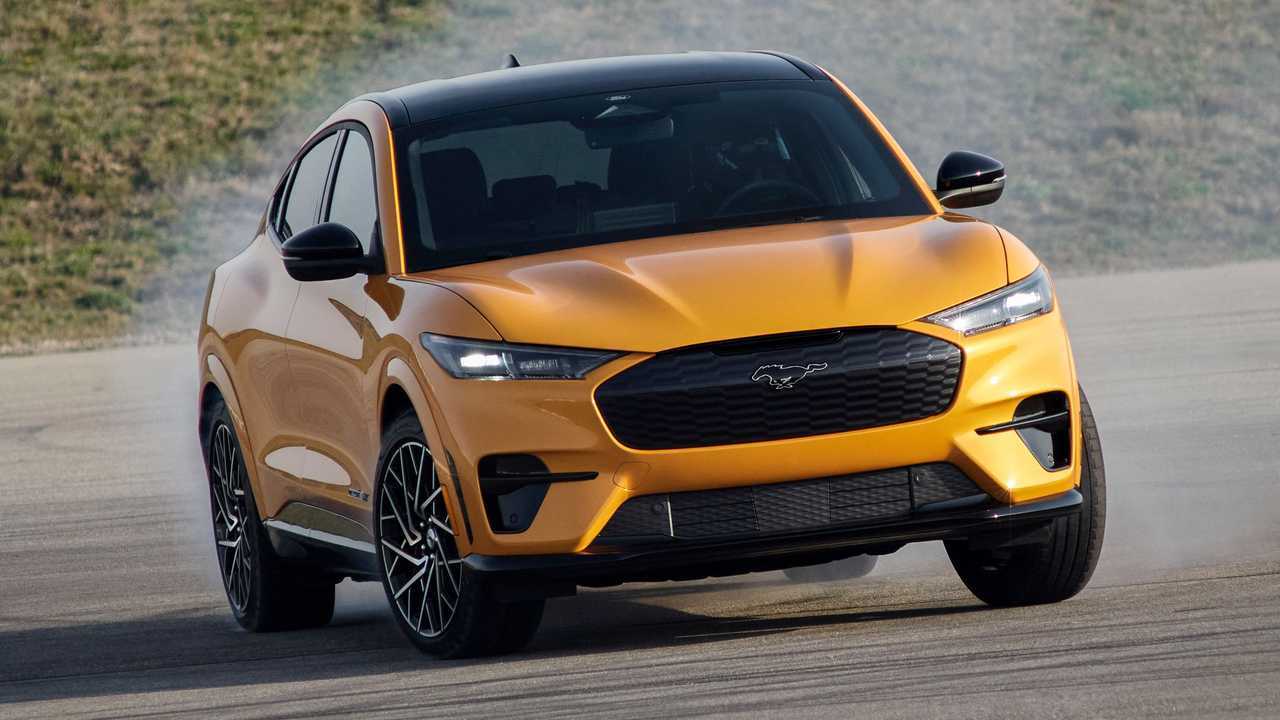
Ford examined the battery health of about 36,000 first-year Mustang Mach-Es from the 2021 model year and came away with some interesting data: 95 percent of SUVs had between 87 percent and 97 percent health remaining. The cohort averaged 92 percent battery health.
Ford says it designs its batteries to last at least 10 years, with 90 percent health at 100,000 miles, and the real-world data appears to support that. Of the more than 2,000 Mustang Mach-E SUVs with over 100,000 miles, they average better than 91 percent battery health.
There are even a few hyper-milers. More than 30 2021 Mach-Es have driven past 200,000 miles, with the average at 88 percent. FoMoCo compiled the data from Mach-Es with nickel-cobalt-manganese batteries (NCM), while some newer Ford EVs use lithium iron phosphate packs (LFP).
Ford offers several tips for owners looking to get the most out of their EV, and a lot of it comes down to battery management. One of the biggest dangers to modern EV batteries is extreme temperatures.
The automaker recommends that owners precondition their vehicles when plugged in, ensuring the battery is at an optimal temperature before operation. In the summertime, owners should try to park in the shade.
Owners should primarily use a Level 2 charger and try to avoid DC fast charging unless necessary. Ford EV owners can also rely on the Ford app for specific charge-level recommendations for their vehicle.
Source link