Mumbai, November 18, 2026: The electric vehicle ecosystem in India has crossed a definitive Rubicon. For the first time, annual retail sales of electric passenger vehicles have comfortably punched past the 3-lakh unit milestone, backed by a booming festival season surge and an increasingly mature public charging network scaling past 50,000 stations.
No longer a niche playground for early adopters or city-bound commuters willing to compromise, the Indian EV market in 2026 is defined by fierce mainstream competition, aggressive local manufacturing, and software-led architectures. Traditional heavyweights and agile new entrants are locked in a high-stakes race, pushing driving ranges past the 600-kilometer mark while bringing down the total cost of ownership. As consumer hesitation gives way to genuine showroom demand, India’s electric transformation is no longer a promise of tomorrow—it is the roaring reality of today’s highways.
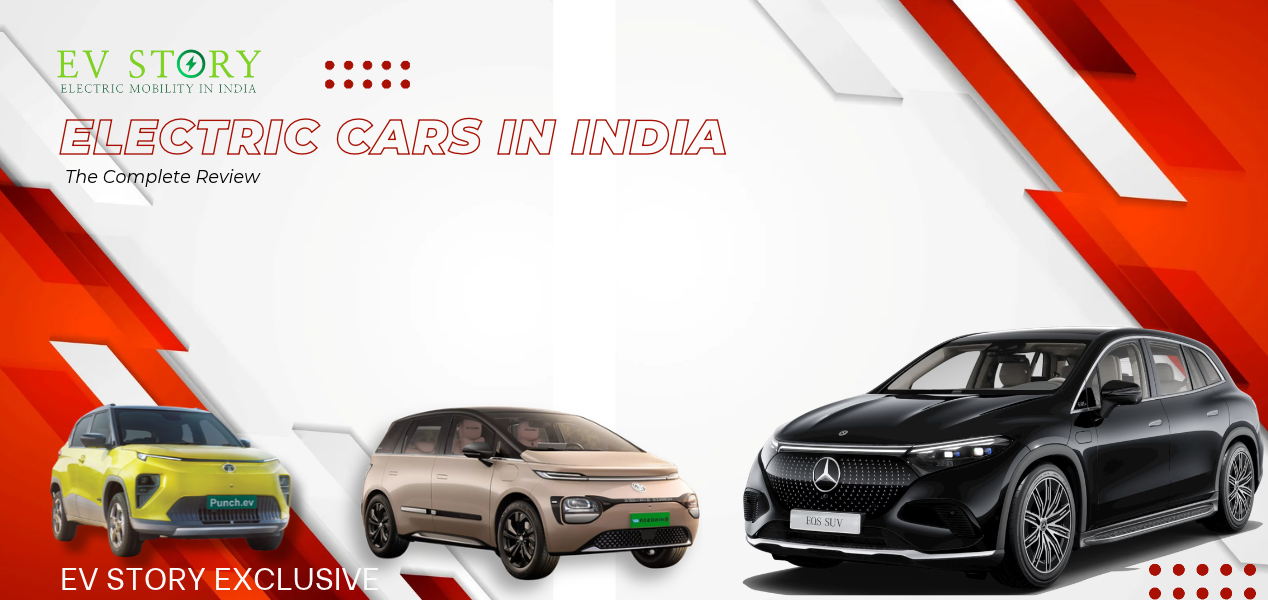
India now sells roughly 70 electric cars, from the ₹3.99 lakh Vayve Eva to the ₹7.5 crore Rolls-Royce Spectre, and EVs are about 7% of new-car registrations. That share has roughly doubled in a year. October 2026 registrations hit 35,777 units on Vahan data, against 18,055 a year earlier. It was the fifth month in a row above 30,000, and full-year 2026 retail could land near 3.75 lakh units.
VinFast was the fourth-largest brand in October, ahead of Kia and Maruti Suzuki.
55 models are listed below, cheapest first. Prices are ex-showroom (Delhi unless noted) and ranges are the makers’ certified claims (ARAI or MIDC), not real-world figures.
This is the only segment where an EV costs less than an equivalent petrol car on day one.
Source link