E-bike battery safety standards that have largely been voluntary across the US are on the verge of becoming mandatory federal requirements, following the passage of a major piece of legislation in Congress.
The US Senate unanimously passed H.R. 973, known as the Setting Consumer Standards for Lithium-Ion Batteries Act, on November 19. The House previously passed the bill in April 2025 by a 365-42 vote. The legislation now heads to the president for a signature.
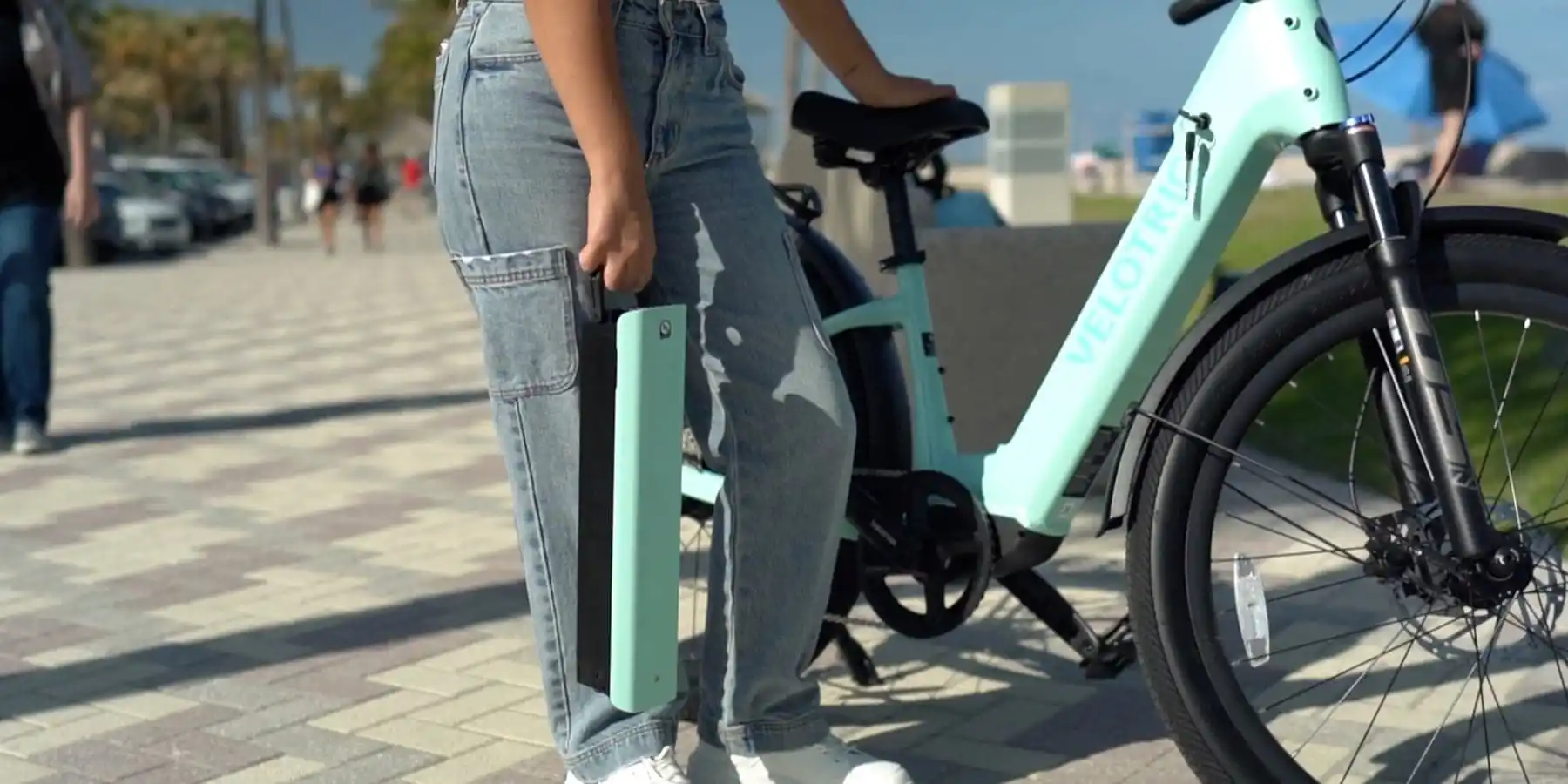
The biggest change is that the Consumer Product Safety Commission (CPSC) would be required to turn three widely used UL safety standards into mandatory federal consumer product safety standards. Those include UL 2271 for light electric vehicle batteries, UL 2849 for e-bike electrical systems, and UL 2272 for personal e-mobility devices such as electric scooters.
Currently, those standards are generally voluntary at the federal level, though some jurisdictions have already made them mandatory. New York City, for example, requires certification to applicable UL standards for e-bikes, batteries, and other micromobility devices sold in the city.
The bill gives the CPSC 180 days after enactment to promulgate the three standards as final consumer product safety standards. And this isn’t simply a one-time requirement based on today’s standards. Future revisions would generally become federal requirements 180 days after the CPSC is notified, unless the agency determines that a revision doesn’t improve safety.
For established e-bike companies already selling UL-certified products, the immediate impact may be relatively small. Many major brands have already moved toward UL 2849 certification, particularly as retailers and municipalities have increasingly demanded it.
Source link