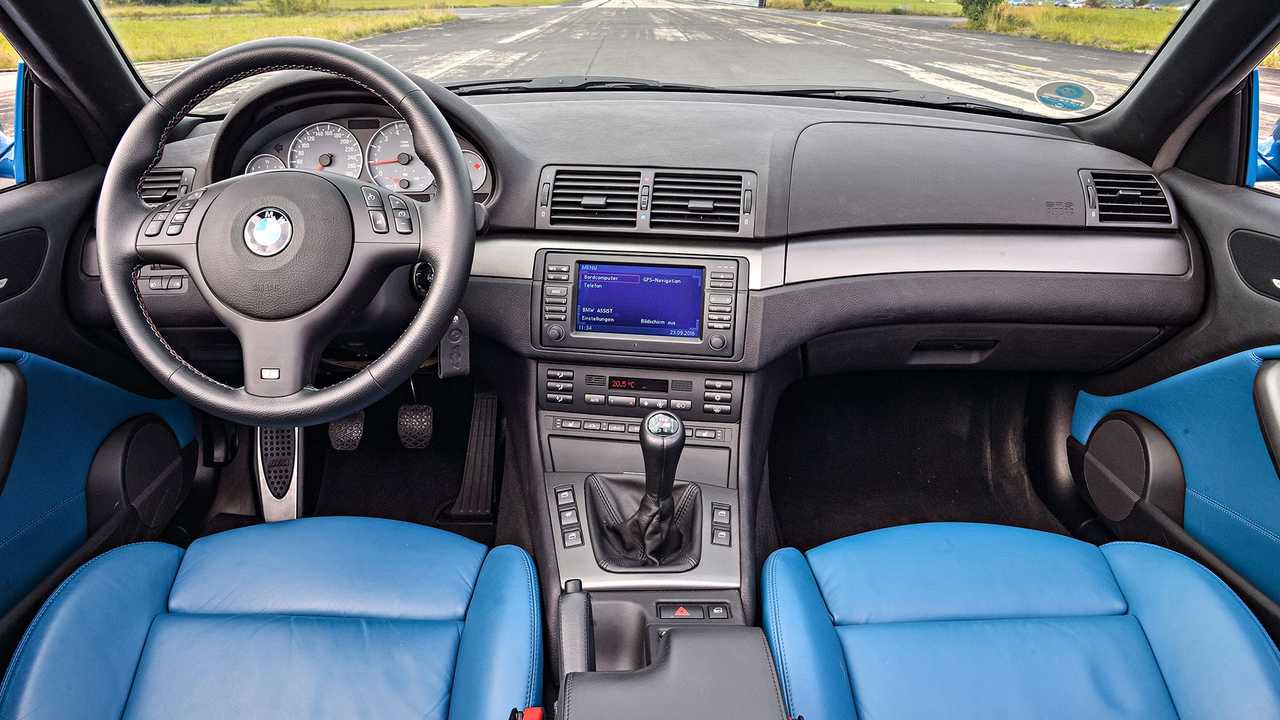
BMW has spent the past few years systematically removing physical buttons from its interiors, arguing that touchscreens and voice commands offer a cleaner, more modern way to interact with the car. But the company might not be entirely opposed to bringing some of those buttons back. Customer feedback could eventually convince the automaker to reconsider its increasingly screen-heavy approach.
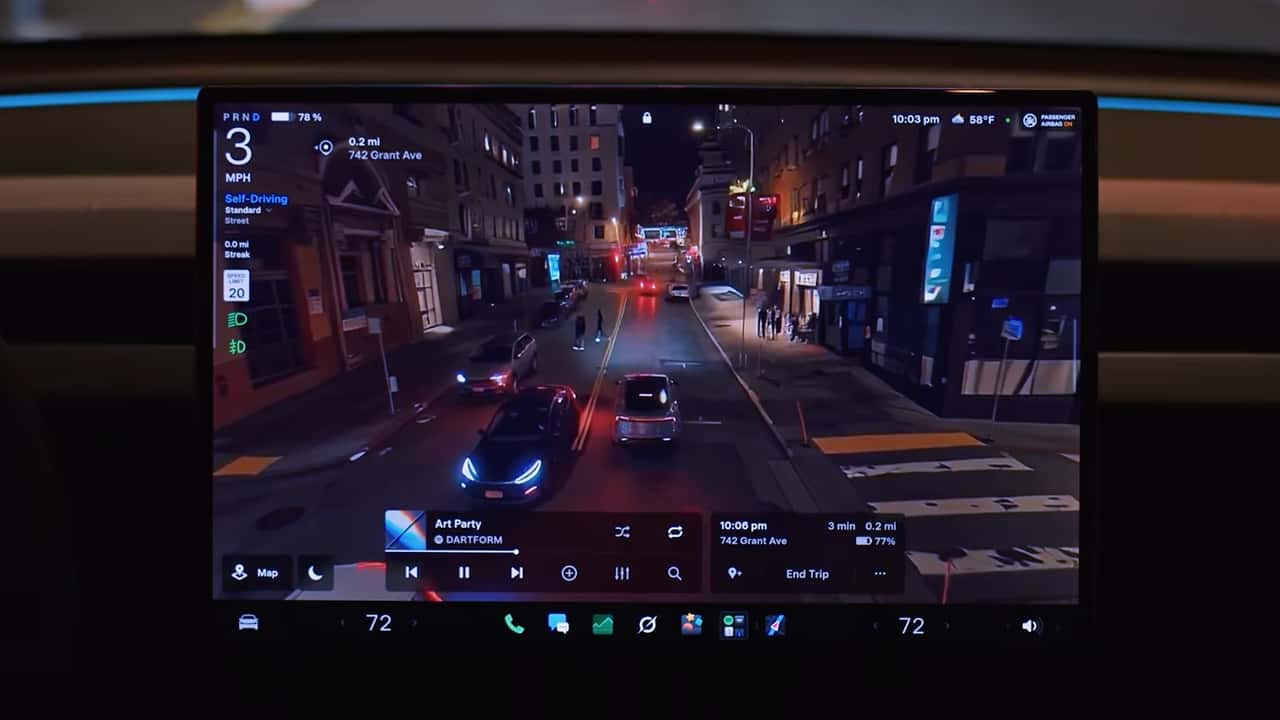
The shift toward digital controls wasn't accidental. BMW believes that consolidating functions into displays makes the cabin less cluttered and gives designers more freedom when laying out the dashboard. Rather than filling the center console with individual switches, the company has increasingly moved settings and vehicle functions into its infotainment system.
There is also a generational argument behind the decision. Speaking to CarExpert earlier this year, BMW Group Australia CEO Vikram Pawah explained that younger customers are increasingly comfortable using voice commands and touchscreens. He suggested that buyers aged 45 and below are particularly accustomed to interacting with technology this way, often while multitasking.
In BMW's view, drivers want to get things done quickly, and voice commands and touch interfaces are becoming increasingly natural ways to do so. The company is therefore designing its latest interiors around these changing habits rather than sticking with traditional controls simply because that's how cars have always been laid out.
However, not everyone is convinced that replacing buttons with screens represents progress. Adjusting basic functions through a touchscreen can require more attention than reaching for a dedicated control, particularly when driving. And while voice assistants have improved, they aren't always the most convenient solution.
Source link