Automakers are under pressure to deliver greater driving range, faster charging, lower costs, improved safety, and more sustainable manufacturing practices, all within the same battery system. Achieving those objectives requires more than advances in cell chemistry alone. Increasingly, innovation is coming from battery architecture and the materials that make those architectures possible.
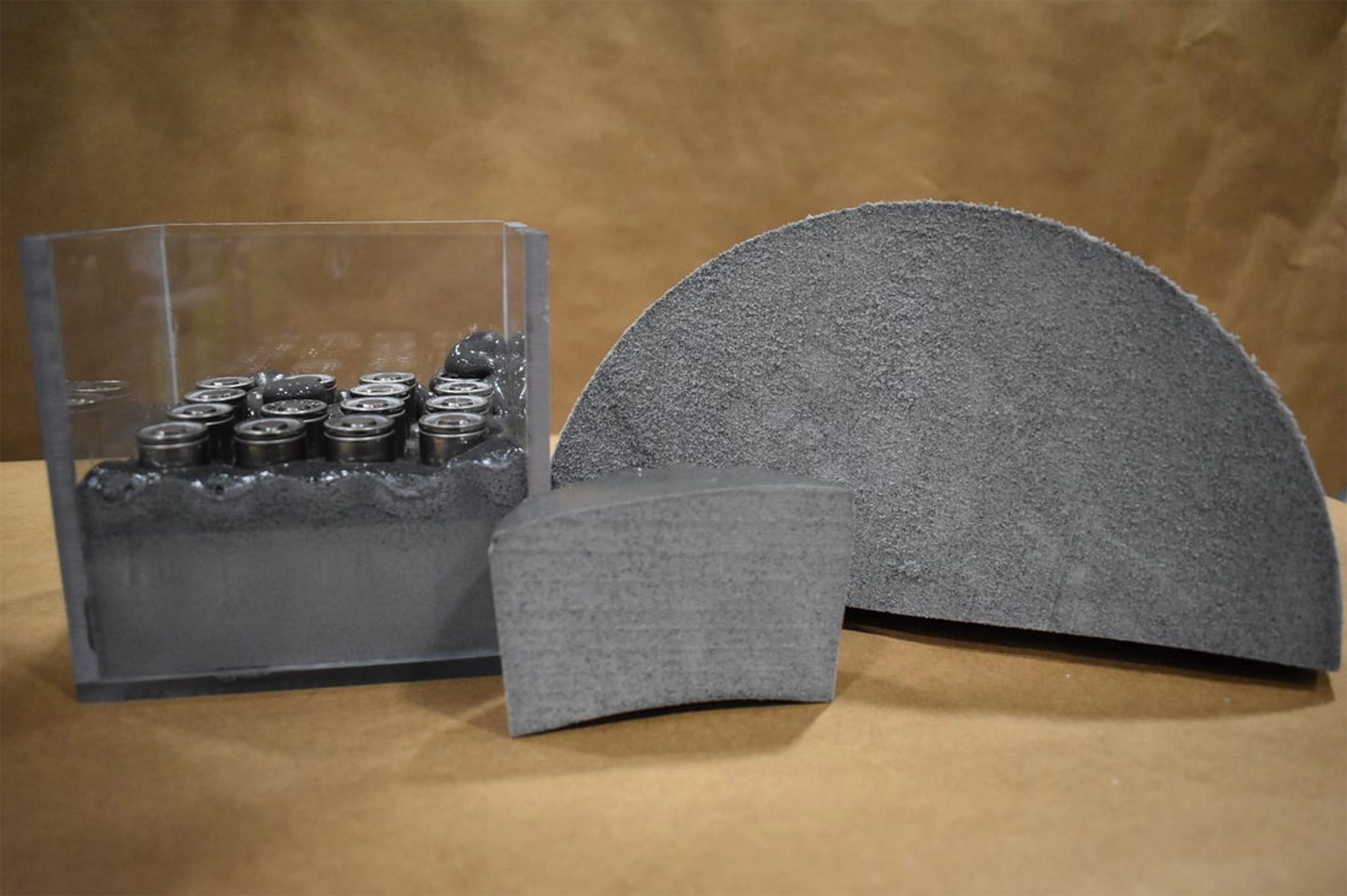
The shift from traditional cell-to-module designs toward cell-to-pack and cell-to-chassis configurations illustrates this trend perfectly. These next-generation battery designs maximize energy density and reduce weight, but they also introduce new challenges for structural integrity, thermal management, and thermal runaway protection. Solving those challenges has elevated advanced adhesives, sealants, and flame-retardant foams from supporting materials to critical performance enablers.
For many years, EV batteries followed a cell-to-module architecture. Individual cells were assembled into modules, and multiple modules were then integrated into a battery pack mounted within the vehicle.
This approach offered several advantages, particularly repairability. Faulty modules could be replaced without disassembling the entire battery system, helping reduce vehicle downtime. However, module casings add weight, consume valuable space, and increase manufacturing complexity.
To improve efficiency and range, manufacturers have increasingly adopted cell-to-pack designs. By removing module housings and integrating cells directly into the pack, battery systems become lighter and can accommodate more active material within the same footprint. The result is improved energy density and longer driving ranges.
The next step in this evolution is cell-to-chassis design, in which battery cells become an integrated structural component of the vehicle. This architecture further reduces weight and manufacturing complexity while maximizing space utilization.
Source link
![Autonomous military 6×6 packs electric drive and go-anywhere grit [video]](https://images.themorningpulse.fyi/uploads/2026/10/rss-mv58csf3-q8jwap-meta.webp)