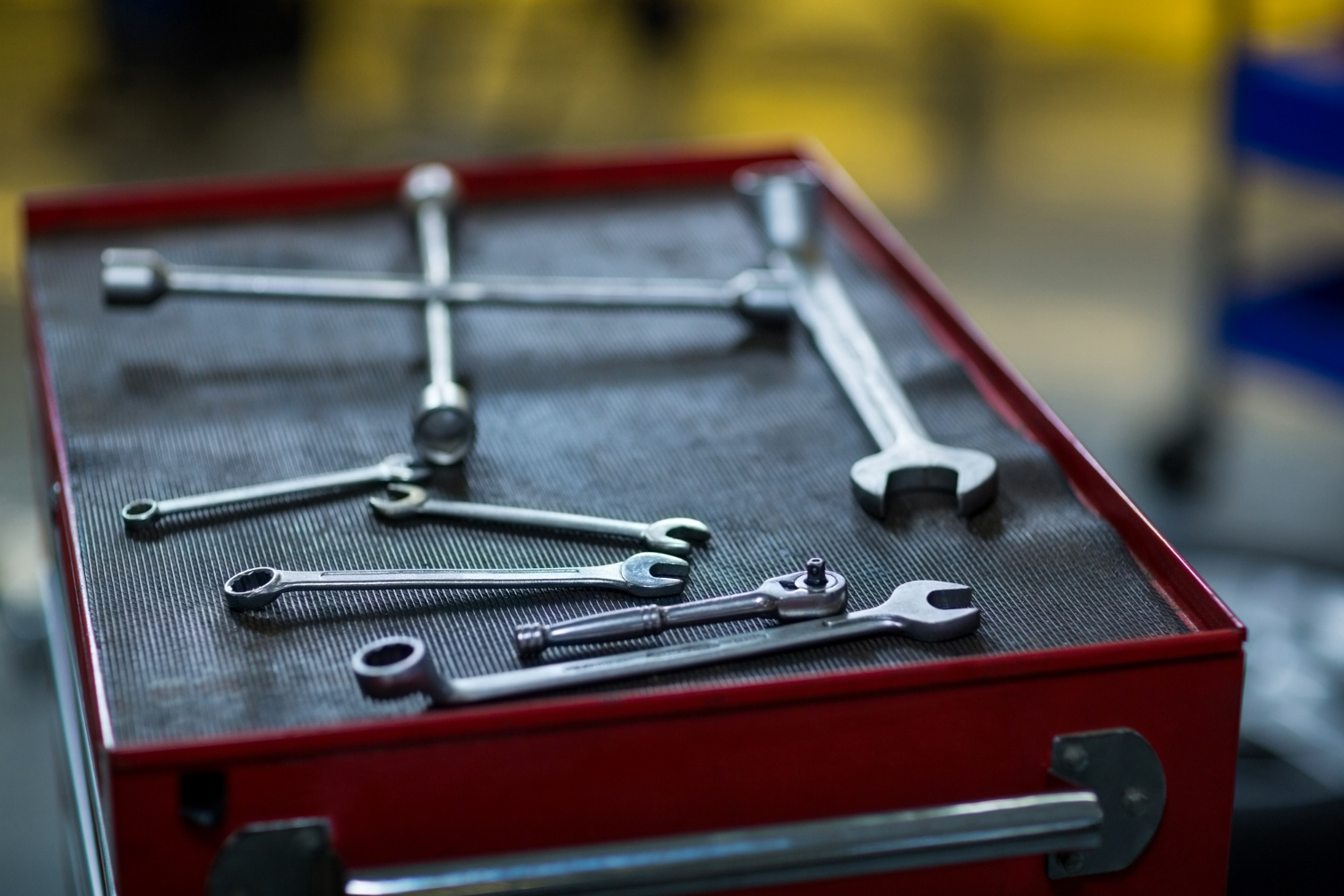
When you wrench on trucks for a living, you get used to heavy steel.
For decades, thick steel commercial truck tool boxes and bed racks were just part of the background—bulletproof, heavy and completely dependable. But sliding those same steel boxes onto a battery-electric service chassis changes the rules completely. Electric work trucks live and die by their battery capacity. Every extra pound bolted to the frame quietly chips away at your daily working radius long before the shift is over.
When you are outfitting a service rig, secure storage is non-negotiable. You need dry, lockable space for heavy wrenches, diagnostic gear and parts. The catch is that standard steel setups carry serious mass. When you look at how auxiliary weight impacts high-voltage battery drain, the numbers add up fast.
The math is simple but powerful: in Automotive Fleet’s guide to upfitting electric work trucks and vans, industry panelists estimate that every 100 pounds saved adds about four to six miles of range, and point out that aluminum is roughly one-third lighter than steel.
When you are running a tight regional route with multiple stops, trimming that excess mass prevents the battery pack from burning precious energy just moving empty metal around.
Of course, nobody wants to swap heavy steel for flimsy alternatives that cave in after a week of getting slammed with hard hats and heavy equipment. Job sites are brutal. Modern fabrication has thankfully closed that gap, letting high-grade aluminum units match steel’s structural durability without the massive weight penalty.
Source link