

Sponsor content is created on behalf of and in collaboration with Flipsnack by DigitalCommerce360. Our editorial staff is not involved in the creation of the sponsored content.
Six weeks is a normal amount of time to produce a product catalog. It is how the work goes.
Ask the same team how many orders their last catalog produced, and the room goes quiet. That silence is the more useful finding.
I have spent years with the people who produce these catalogs: merchandising managers, sales operations leads, and in-house designers at distributors, importers, and manufacturers. I keep hearing the same story: 15 customers hold 15 versions of the same catalog, each out of date on the day it was sent, and nobody in the building knows which prices are still valid.
As more B2B buying moves online, the product catalog has become part of the ecommerce journey, and often the place where an order starts. Our team has analyzed enterprise catalog programs on Catalogy. Two pressures showed up everywhere, and neither is going away: ranges keep growing, and prices keep moving.
Six weeks of work, out of date on arrival
Nobody spends six weeks writing a catalog. The time goes into placing products on pages one at a time, then redoing the layout whenever a price or product changes.
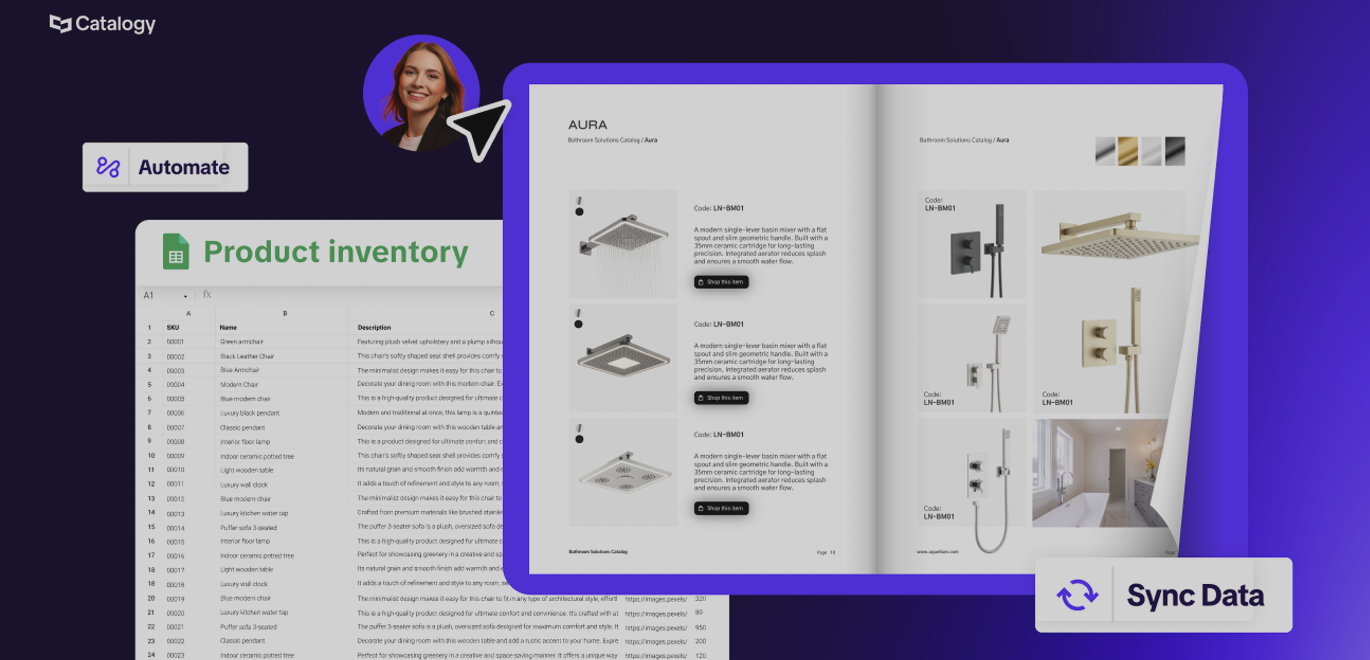
Underneath sits a second problem: the product information is not in one place. It lives in a spreadsheet, in the system that runs orders, and in whatever sales last emailed. The same product gets typed into a catalog, a spec sheet, and a price sheet, and changing one changes nothing else.
Source link





