In 2024, a Canadian tribunal found Air Canada liable after the chatbot on its website gave a customer incorrect information. The airline argued the chatbot was responsible for its own statements, and the tribunal rejected that argument. Customers treat what an agent says as what the business says.
That principle will soon apply to most customer conversations. Gartner expects agentic AI to resolve 80% of common customer service issues without human intervention by 2029. Most of the discussion about that figure is about cost and jobs. The consequence I think businesses are underestimating is quieter: the people who used to hear what customers complain about will stop hearing it.
Front-line staff have always been an informal early-warning system. A receptionist notices the third call about the same billing error and mentions it to a manager. An agent will resolve each of those calls, often well, but unless the business designs for it, nobody hears about the pattern.
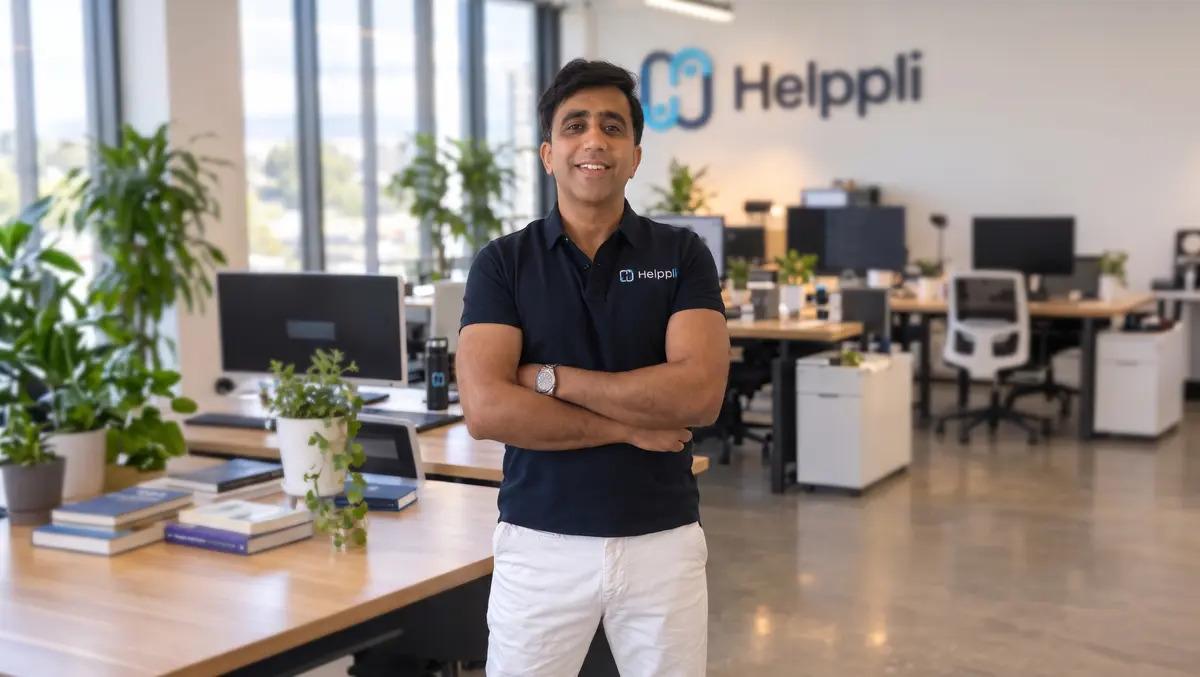
I have worked in software since 2001, and my team now builds AI agents that talk to customers by phone, WhatsApp, SMS, email and web chat. Most advice on deploying them focuses on containing risk, and that advice matters. The organisations that get the most from agents, though, will be the ones that also plan for what the agent learns.
Before an agent speaks to customers, its scope should fit on one page: what it may decide, what it may say, when it hands over to a person and who is accountable for each.
Source link