

Brands spend all year creating distinctive visual identities, then, come November, they all reach for the same festive wrapping paper.
The colours of red, green, white and gold, characters like Santa, reindeer and elves, sonic devices like sleigh bells and carols, and even hand-lettered or heavily serifed typefaces all belong to “Brand Christmas”.
Down Under, we add prawns, a long outdoor lunch and Santa in board shorts as the assets of “Australian Christmas”. Together, they make up a shared seasonal playbook that every brand can use.
The problem is that the more a campaign is built from shared material, the harder a brand’s own assets have to work. And not every brand is fit for the Christmas season.
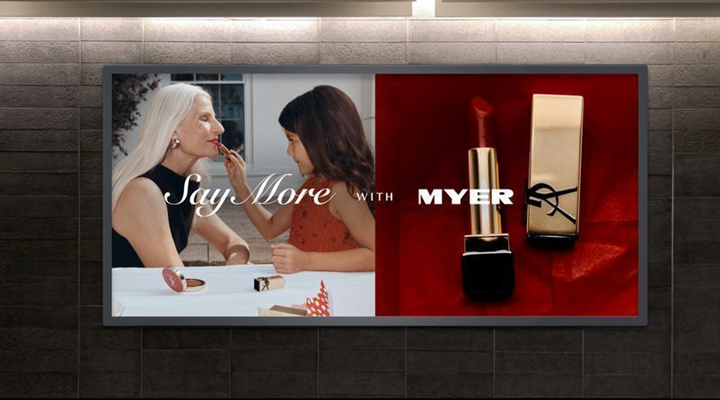
Creative effectiveness researcher Cubery gave Myer’s 2025 campaign a branded memorability score of 4.9 out of 10, noting that people struggled to connect the ad to the brand.
The “Give something special” campaign showed a family opening gifts under a tree, friends exchanging presents and a festive lunch, all set to a Jamiroquai track. None of it belonged to Myer. A logo at the end isn’t enough to claim 60 seconds of shared material.
When it comes to Christmas, Myer has two main problems. The department store doesn’t have a set of established brand assets to carry into a Christmas campaign, and it creates new campaigns every year. Each fresh start sends the brand’s mental structures back to square one.
At the other end, Kmart has a rich brand identity system.
Source link





