Sustainable denim brand Triarchy has rolled out its first collection made using WTRLSS digital dyeing technology, which is estimated to use 99.9 percent less water in dyeing and finishing than conventional methods.
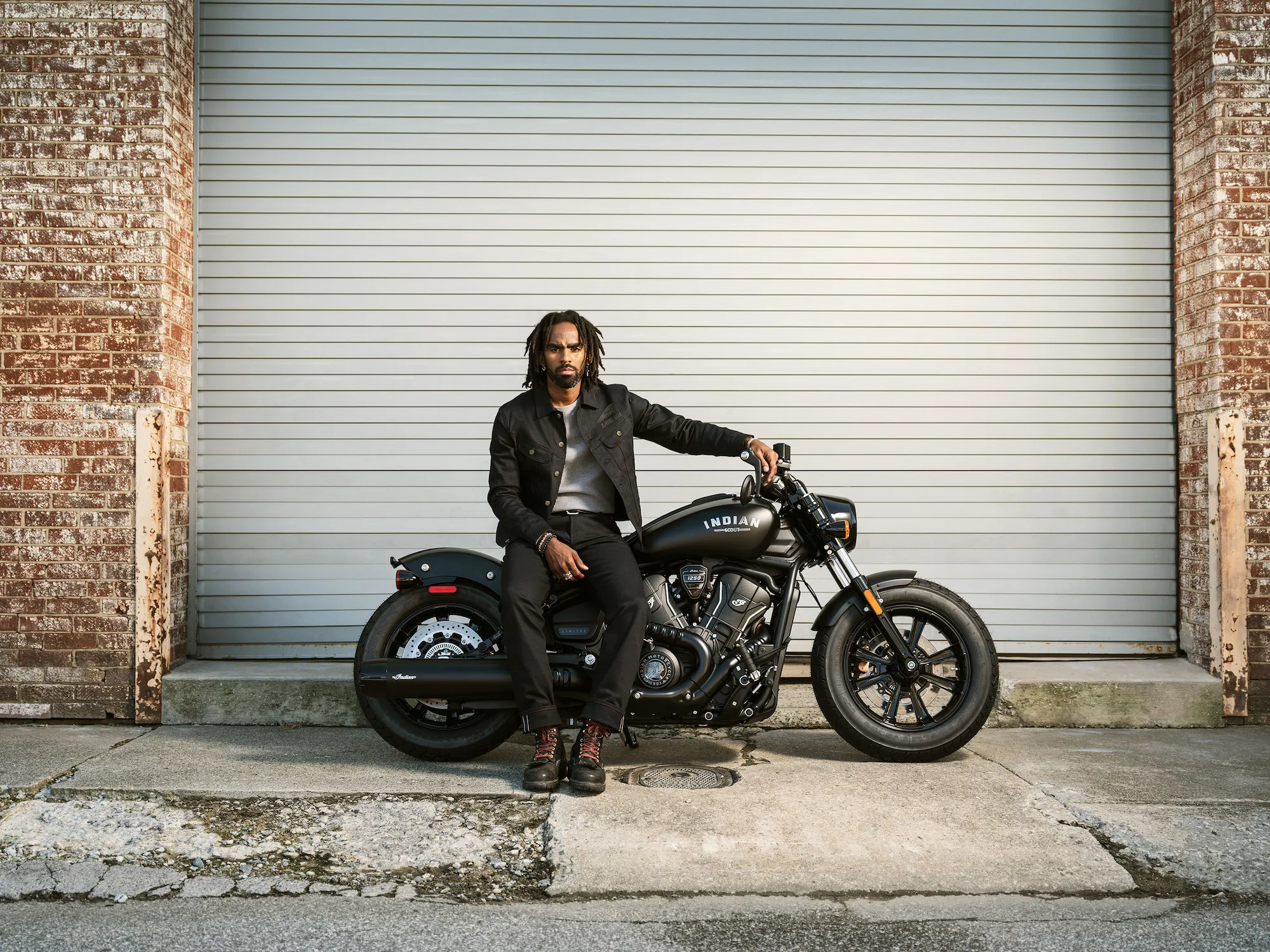
Triarchy’s line using WTRLSS technology includes five pieces across three colorways, including Cowhide, a photographic hide pattern rendered across a jean and jacket—a design the company said would have been nearly impossible using traditional dyeing methods.
Triarchy said it plans to move all of its denim production to WTRLSS technology going forward.
Related Stories

Recover Launches RecoverOne Blends to Skip Overdyeing
Archroma Debuts New All-In-One Dye Process for Cellulosic Wovens
Conventional denim dyeing usually entails rope-dyeing yarn through indigo baths, then finishing the material across a sequence of wet and dry stages that include washing, bleaching, sanding and rinsing. The multi-step process can take several weeks to complete, and it accounts for most of the denim industry’s manufacturing water use, chemical load and lead time sit. According to Triarchy, one pair of jeans can take around 100 bottles of water or roughly 75 liters to dye and finish.
WTRLSS uses a digital dyeing process that bonds color into the fiber itself in a single pass with no pre-treatment or wash-off, making it more lasting than digital printing, which adheres color to only the surface of fabric. The process uses a machine powered by proprietary software using an indigo replacement developed specifically for denim fabric. Each wash style, such as vintage fading or worn-in details, is digitally designed and dyed directly into flat pattern pieces before they’re cut and sewn.
Source link