

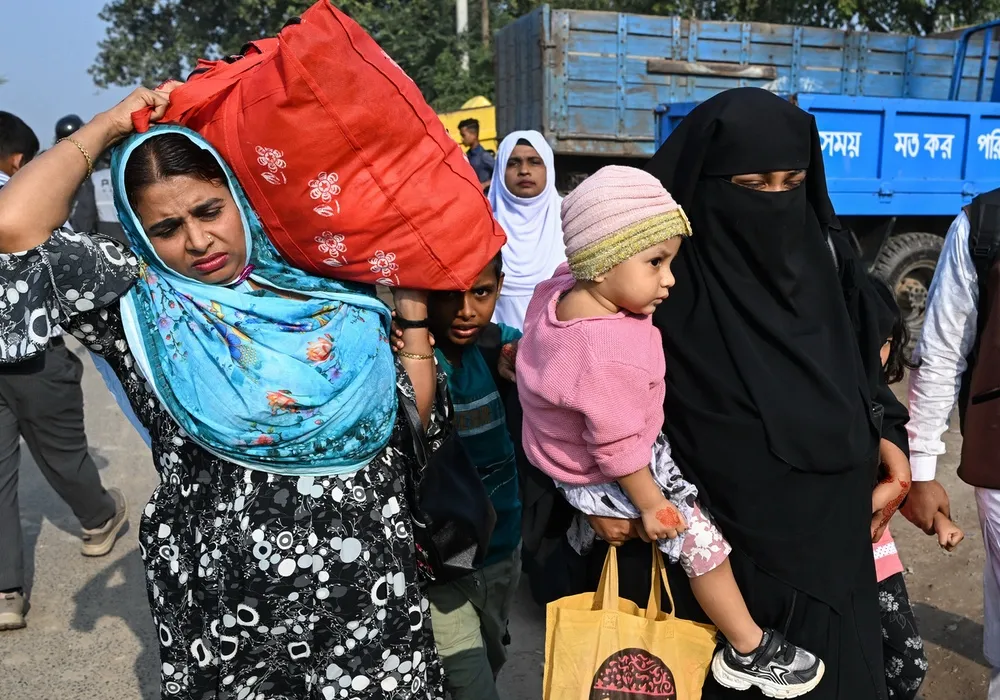
Hours after Bangladesh’s minimum wage board raised the monthly pay threshold for garment workers by 36 percent to 17,000 Bangladeshi taka ($136)—the sector’s smallest percentage hike in four decades—the mood in the world’s second-largest apparel exporter after China would best be described as mixed.
It’s difficult to predict how the workers who have poured into the streets en masse over the past month will react once the news has had a chance to sink in; as of Wednesday, 87 garment factories in Ashulia, Savar and Gazipur remained shuttered as protesters continued their demands for a 30,000-32,000 taka ($239-$255) wage that can keep pace with the increasing cost of rent, food and transportation in the face of stubborn inflation.
Related Stories

A Watchdog Calls Factory Bangladesh's Worst Union Buster This Decade. Some Brands Haven't Walked Away.
'Costly' Air Freight is Bangladesh Apparel Exporters' Fallback Option as Orders Slip
The six-member board, which includes a chairman, a neutral member and two representatives each for employers and workers, made its decision in a 4-2 vote less than a month after it formed in response to the brewing unrest. Factory owners had originally proposed 15,000 taka ($120), according to local media reports, which workers’ representatives rejected on Monday for being too low. The employers then offered 15,700 taka ($126), and the labor side later lowered its demand to 22,000 taka ($176). The deadlock broke only after workers’ representatives dropped their ask again to 18,000 taka ($144) and the employers settled on 17,000 taka.
Source link





