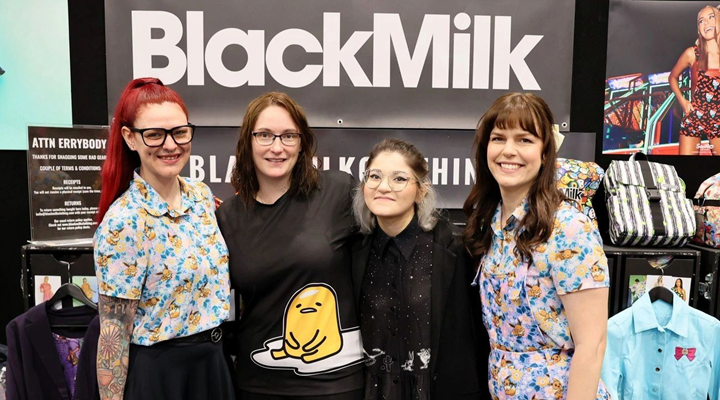
At Cockatoo Comics in Newtown, Siobhan Coombs is thinking about how much her customers will have left for a comic book. “The rate hike is really troubling for me as a small business owner. The cost of rent, insurance, and other fees goes up every year. As my customers are squeezed more and more, they have less discretionary income for nonessentials, like comic books,” she told Inside Retail.
The Reserve Bank’s November 3 increase lifted the cash rate 25 basis points to 4.85 per cent, its highest level since November 2008, in the midst of the global financial crisis.
“This has a massive trickle-down effect on the artists I stock, making it harder and harder to have a creative career in this country. I’m very worried,” Coombs said. Her concern epitomises how a household’s smaller spending budget can travel through a shop and into its suppliers’ livelihoods.
Owners have limited room to absorb another setback. As COSBOA and Square’s latest State of Small Business Report found, typical seller revenue grew 3.9 per cent over the year against inflation of 3.8 per cent, while 42.9 per cent of owners reported working longer hours. So where, then, can retailers find some reprieve?
The Australian Food and Grocery Council’s response offered a modest starting point. “The productivity challenge is not abstract. Businesses make decisions every day about where they put their people, capital and time,” said CEO Colm Maguire.
Speaking about manufacturers, he said governments should remove duplicate reporting requirements, reuse information already supplied and coordinate reporting schedules.
Source link