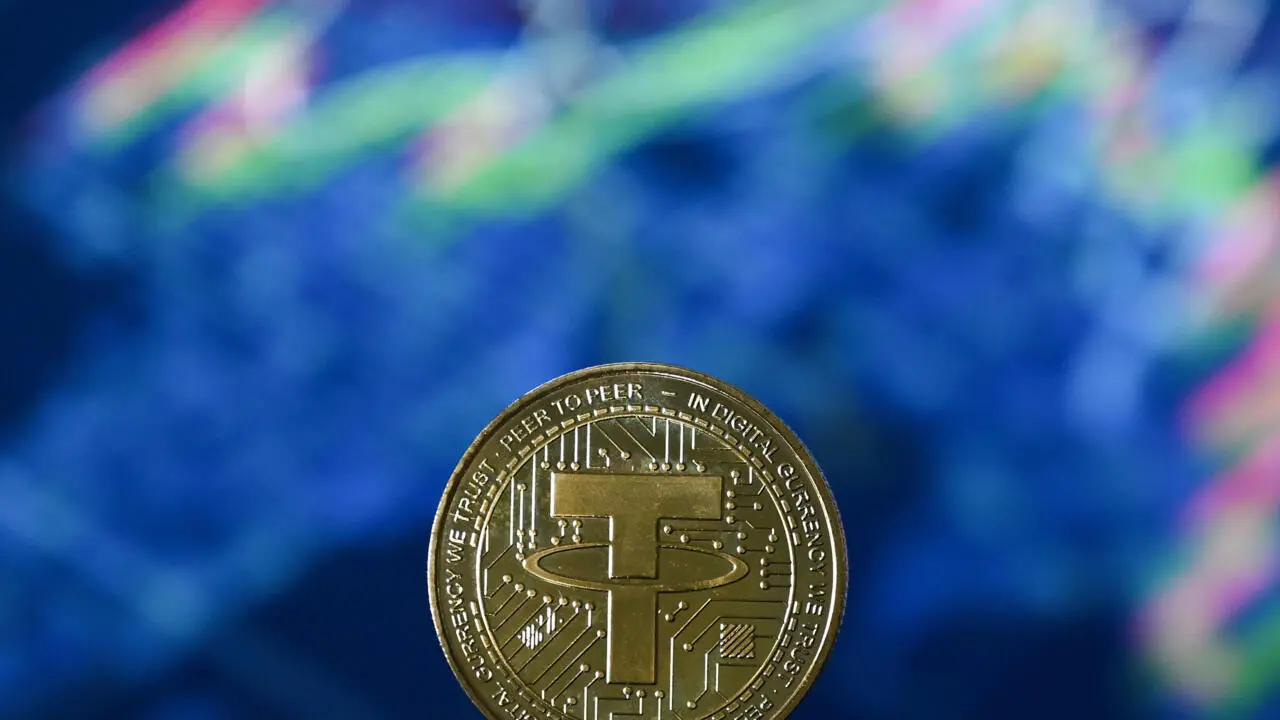
The Securities and Exchange Commission (SEC) has defended its proposed daily limit of 5 million baht on transfers of foreign currency-backed stablecoins, including USDT, to mitigate money-laundering risks and prevent circumvention of cross-border money transfer regulations.
Foreign currency-backed stablecoins accounted for 85% of the total transaction value handled by digital asset business operators between January and May 2026, said Jomkwan Kongsakul, deputy secretary-general of the SEC.
Under the proposed rules, transfers of foreign currency-backed stablecoins would only be allowed between accounts held by the same person, subject to a daily limit of 5 million baht per person for each digital asset operator. The SEC said the same-owner account requirement is intended to prevent stablecoins from becoming an alternative channel for international money transfers outside the established regulatory framework, while discouraging the use of digital assets to pay for goods and services through digital asset operators and reducing the risk of customers bypassing existing know-your-customer (KYC) and identity verification requirements.
The 5 million baht transfer ceiling aims to align domestic cryptocurrency flows with Bank of Thailand principles on cross-border money transfers. Regulators warned that unregulated stablecoin movements bypass standard identity verification and customer-due-diligence protocols, posing money-laundering risks while slipping past foreign-exchange controls.
The regulator stated that transaction data indicates over 99 percent of local investors trade at volumes well below the 5 million baht threshold. The operational impact on everyday retail crypto traders should remain limited. Instead, the rules focus on high-value transfers attempting to bypass international remittance channels.
Tighter rules are also slated for stablecoin pairs traded against the Thai baht.
Source link