Shoppers waiting until Black Friday to commence their holiday shopping might not be behind the ball—and they won’t likely encounter markedly higher prices than they saw last year. But that doesn’t mean inflation won’t be a problem this gift-giving season and beyond.
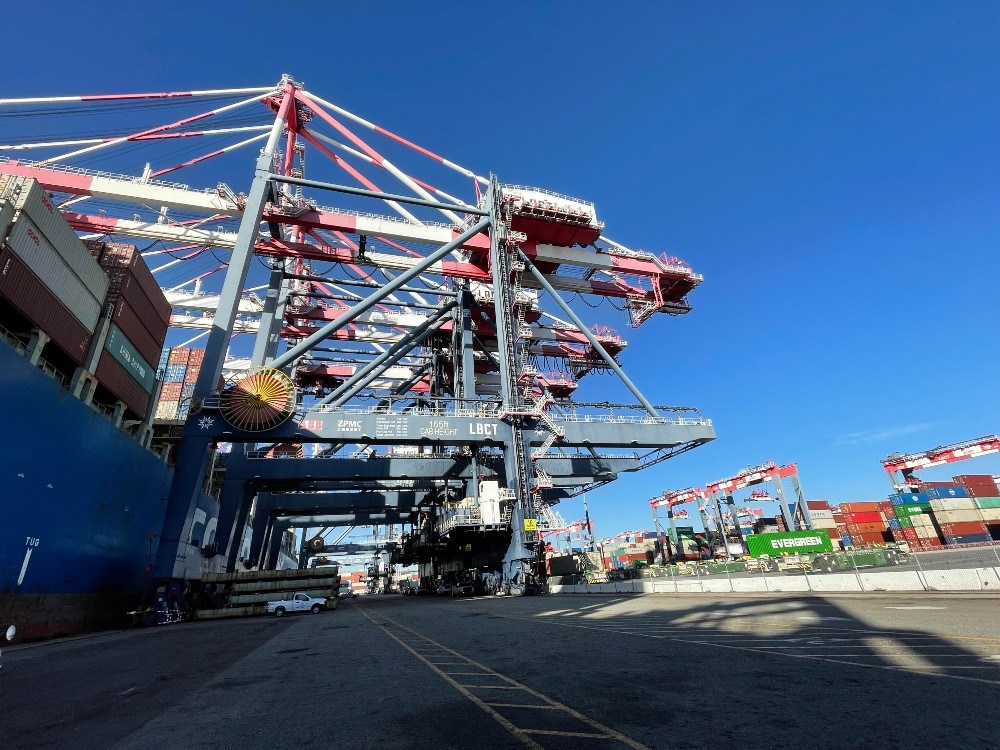
According to a new analysis conducted jointly by the Port of Long Beach (POLB) and the USC Marshall School of Business’ Randall R. Kendrick Global Supply Chain Management Institute dubbed “Ships to Shelves,” financial pressures are likely to hit consumers acutely in early 2027.
Related Stories

China and Canada Deepen Trade Ties at APEC
TJ Maxx, Marshalls Kept Tariff Refunds for Executive Bonuses
That’s because changes to product pricing face some lag time—three to six months, approximately—following supply chain disruptions. While tariffs, consumer prices and supply chain performance are interconnected, “they do not move in lockstep,” the study authors wrote. That means that the impacts of heightened transportation costs, logistics snafus and tariffs that stacked up in late 2026 will take time to show up tangibly.
Realistically, the adverse effects of these pressures will be reflected in the prices seen at retail next year, putting more pressure to already overstretched shoppers’ pocketbooks.
According to the report, holiday shoppers are already paying more for the things they buy (and they’re likely to attest to it), but the increases they’ve been seeing have hit everyday household products and necessities more than gifts for loved ones.
The study authors analyzed a so-called holiday basket consisting of 224 items.
Source link