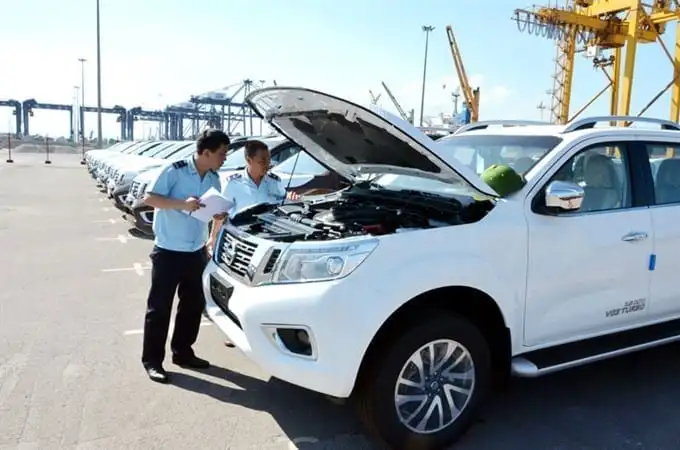
More than 2,000 used vehicles entered Pakistan under the overseas gift scheme in October, defying state restrictions and accelerating an influx of foreign-built automobiles into the domestic market.
The arrival volumes represent an aggressive rebound from May this year, when tighter customs oversight had temporarily squeezed monthly gift-scheme imports down to just seven units, according to former Pakistan Association of Automotive Parts and Accessories Manufacturers (PAAPAM) chairman Aamir Allawala.
By September, shipments had expanded to 2,238 units before holding above the 2,000 mark through October. Domestic automotive parts vendors say these transactions bypass conventional banking channels, relying on payments to Japanese auction houses through informal hawala networks and cash settlement inside Pakistan.
Official trade data tracks the broader import trend. Inward shipments of completely built-up units, covering both new and second-hand passenger cars, jumped 40 per cent to $126 million during the first quarter of fiscal year 2026-27, compared with $90 million in the same three months of the prior fiscal year, according to the Pakistan Bureau of Statistics.
Automakers entering the market account for part of the increase. Brands are bringing fully assembled vehicles into showrooms to test consumer appetite across major urban centers before committing capital to domestic assembly lines.
The commercial friction deepened following the release of the government’s revised automotive policy in early November. Engineering groups say the framework shifts incentives toward finished imports and complete assembly kits, weakening the 1,200 local manufacturing firms that supply parts to domestic car plants.
The domestic parts footprint varies sharply across competing brands operating in Pakistan.
Source link