

But G-III and WHP, the brand’s new owners, have ambitions to at least double that.
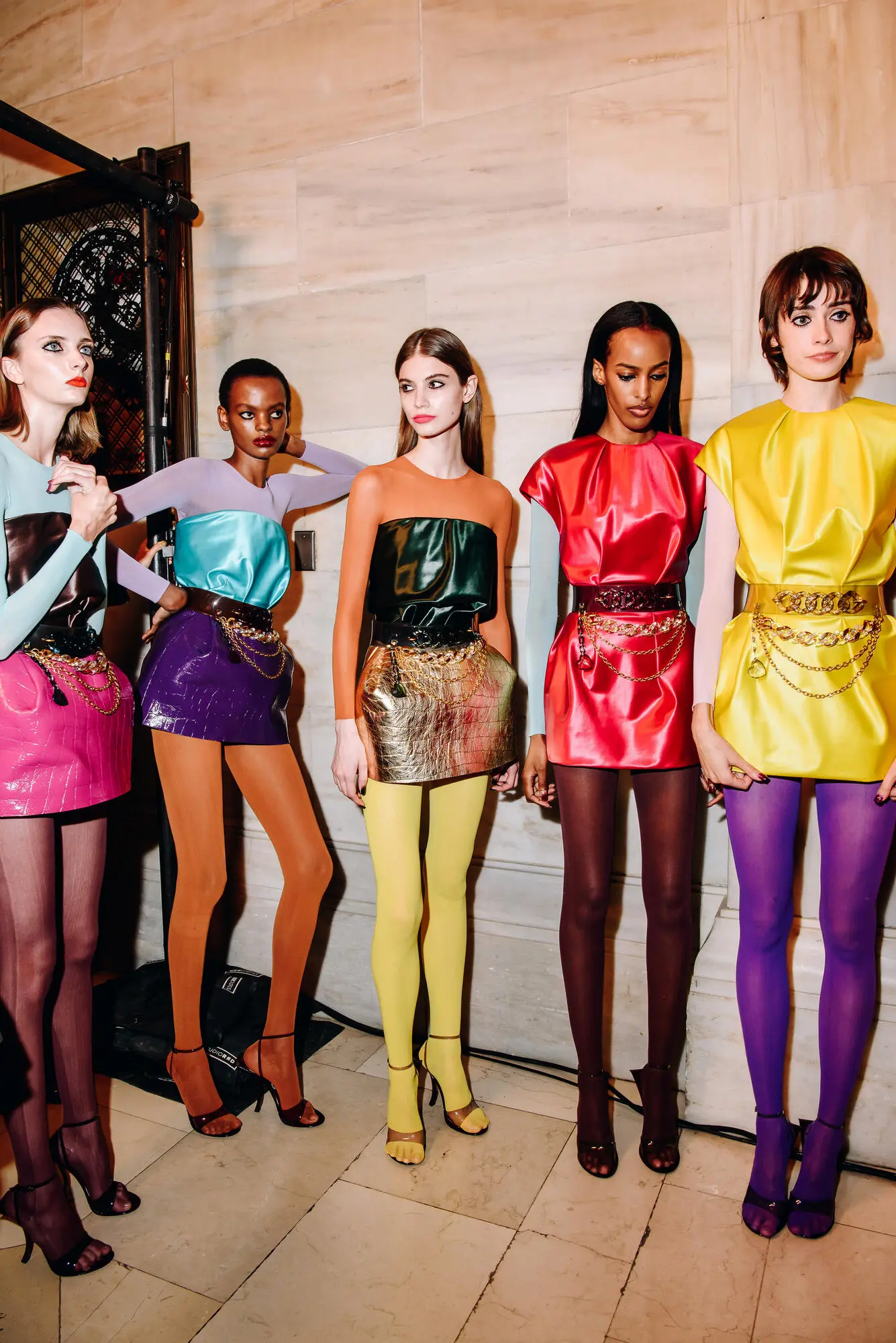
The future of Marc Jacobs is being shaped right now as its still-new owners, G-III Apparel Group and WHP Global, reset the brand and try out a new approach.
It’s a delicate matter, deciding what to add and what to subtract from what’s been a cornerstone of the American designer world for a generation.
This much is clear: Marc will still be Marc and host his runway shows, the Marc by Marc Jacobs subbrand will make a comeback and the licensing frontiers will be expanded.
But what exactly is being left behind amid all of this business reinvention?
What was this business with a top-shelf brand that Bernard Arnault’s LVMH Moët Hennessy Louis Vuitton bet big on only to spend the last couple years vaguely shopping it around before settling on buyers and closing the deal in September?
A recent filing with the Securities and Exchange Commission offers up at least some of the answer, laying bare Marc Jacobs’ financial results for last year.
Taking away $158.6 million in cost of sales, $183.8 million in selling expenses, $48.9 million in marketing expenses and $10.9 million in general expenses, that left operating profit of $106.8 million.
With interest of $35.1 million, mostly for $525 million in loans to parent company LVMH, and other items, the brand’s comprehensive income tallied $71.1 million for 2025, according to the filing.
8 million at closing, although $40 million in restructuring funding from WHP cuts that down.
Source link





