Ten states joined the Federal Trade Commission and 20 other states in a complaint filed last month alleging deceptive pricing.
Pricing tactics have emerged as a top concern of consumers, and government officials are responding in a variety of ways.
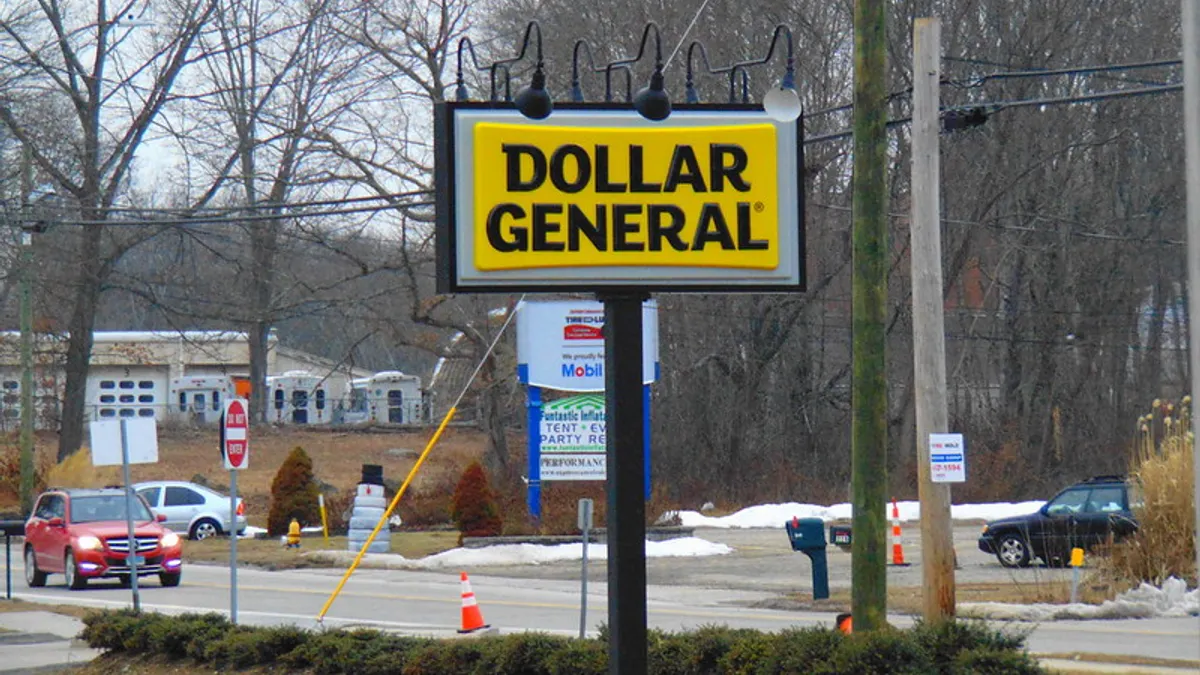
One is in court. In their lawsuit against Dollar General, state and federal regulators claim that the retailer’s practices violate the FTC Act, the Gramm-Leach-Bliley Act and various state laws. Dollar General has “repeatedly falsely labeled prices, overcharged consumers and failed to correct the issue despite extensive corporate knowledge of the problem,” according to the complaint.
To settle similar claims also brought by the FTC and 17 states, Family Dollar in mid-November agreed to pay $63 million and a slew of restoration and enforcement actions.
The 10 states that have joined the court case against Dollar General are Delaware, Georgia, Kentucky, Maine, Minnesota, New Mexico, Oregon, Rhode Island, South Carolina and South Dakota. They join Alabama, Arizona, Arkansas, California, Connecticut, Florida, Illinois, Iowa, Kansas, Louisiana, Michigan, Mississippi, Nebraska, New Jersey, North Carolina, Ohio, Oklahoma, Tennessee, Utah and Wisconsin.
Another front in this battle is in the legislature. The New York City Council earlier this month passed a surveillance pricing ban, which prohibits using personal data and algorithms to adjust prices. New York City Council Speaker Julie Menin has called the pricing practice unethical and said it “worsens our affordability crisis.”
Since last year, more than 70 bills to outlaw or limit unfair pricing tactics and regulate consumer data collection have been introduced in 30 states, according to research from Groundwork Collaborative.
Source link