

India’s Ministry of Textiles wants to spend roughly 16,000 crore rupees ($1.72 billion) over five years to produce more fiber domestically. The proposed funding would help farmers buy cultivation supplies, manufacturers purchase machinery and researchers develop new materials and production methods.
According to The Economic Times, which cited government officials, the National Fibre Scheme would cover between 25 percent and 75 percent of eligible project costs. The proposal is awaiting approval, meaning both the spending commitment and subsidy rates could change.
Related Stories

India Has the Yarn. Can It Win More Clothing Orders?
US Promises India Will See Lower Tariffs Than Competitors in Trade Deal
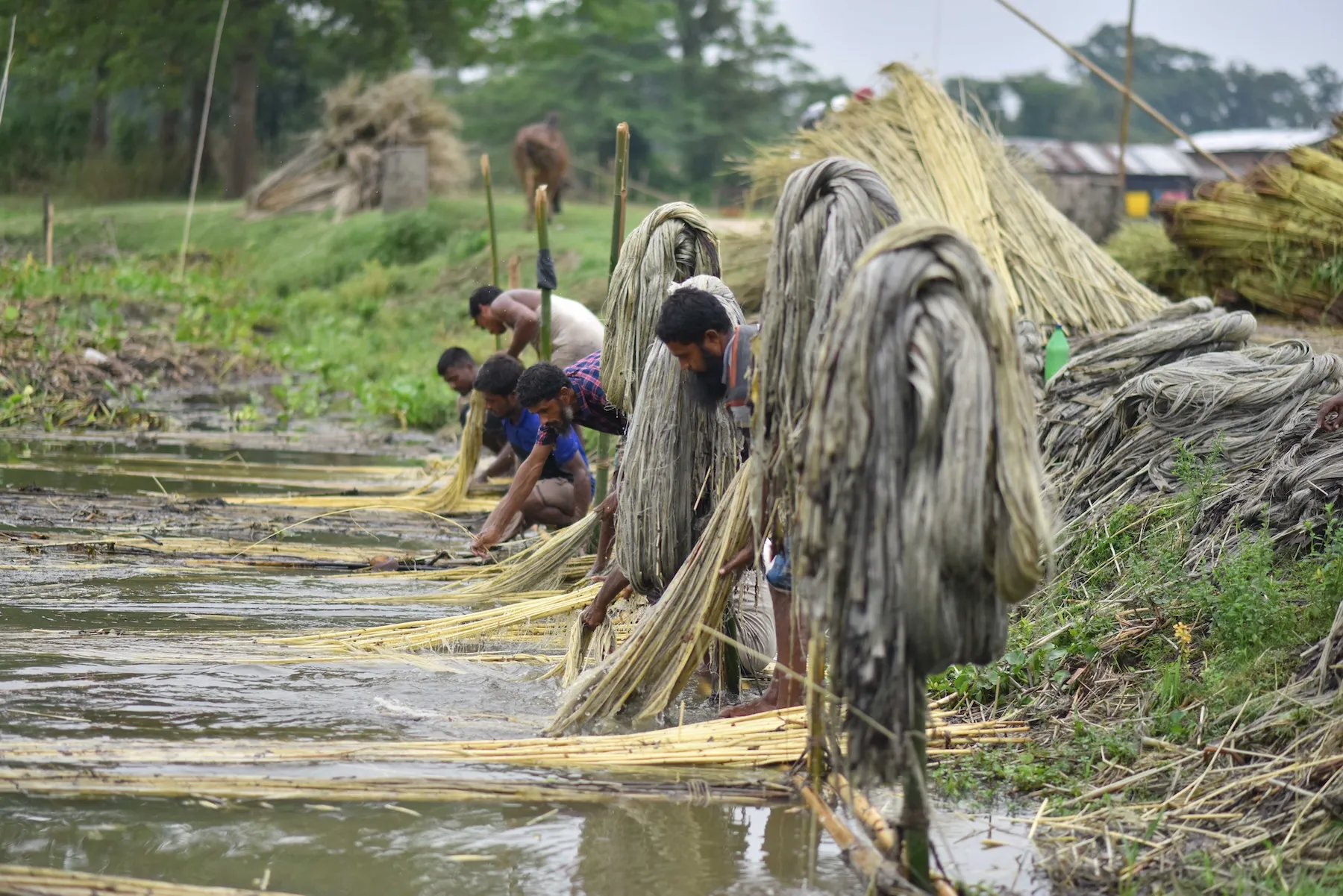
The government first outlined the scheme in its February budget, alongside four other initiatives for the textile industry. It would support silk, wool and jute production, along with man-made and emerging fibers, as India looks to reduce its reliance on imported raw materials.
The newly reported proposal puts a potential price tag on that ambition and outlines how funding could be distributed among farmers, artisans, entrepreneurs and manufacturers.
Under the proposed structure, cultivation inputs including seeds and planting materials would qualify for subsidies covering 40 percent of costs. Farm mechanization and infrastructure for irrigation, plantations and seed production could receive 50 percent support.
Assistance for machinery would vary by scale. Small-scale equipment used by artisans and silk reelers could receive subsidies of 50 percent, compared with 30 percent for medium-scale machinery and 25 percent for larger installations.
Most support for farmers, artisans and entrepreneurs would cover between 40 percent and 50 percent of eligible costs, according to the report.
Source link





