Dibakar Ghosh is a tech journalist at How-To Geek, where he focuses on Linux, Windows, and productivity tools. His goal is simple—help readers at every skill level get more done with the tech they use every day.
He began his writing career in 2016 with WordPress tutorials, later moving into digital marketing, where he spent years reviewing complex tools for marketers. His work has also appeared on Authority Hacker, where he’s shared in-depth guides on digital workflows and online productivity. That experience now shapes his journalism, blending analytical depth with practical, real-world advice.
When he’s not writing or testing software, Dibakar is usually watching movies or playing video games. He’s a huge Christopher Nolan fan and a strong proponent of the theater experience. In gaming, he has sunk hundreds of hours into Insomniac’s Spider-Man series, Returnal, Prototype, Darksiders, and Final Fantasy titles.
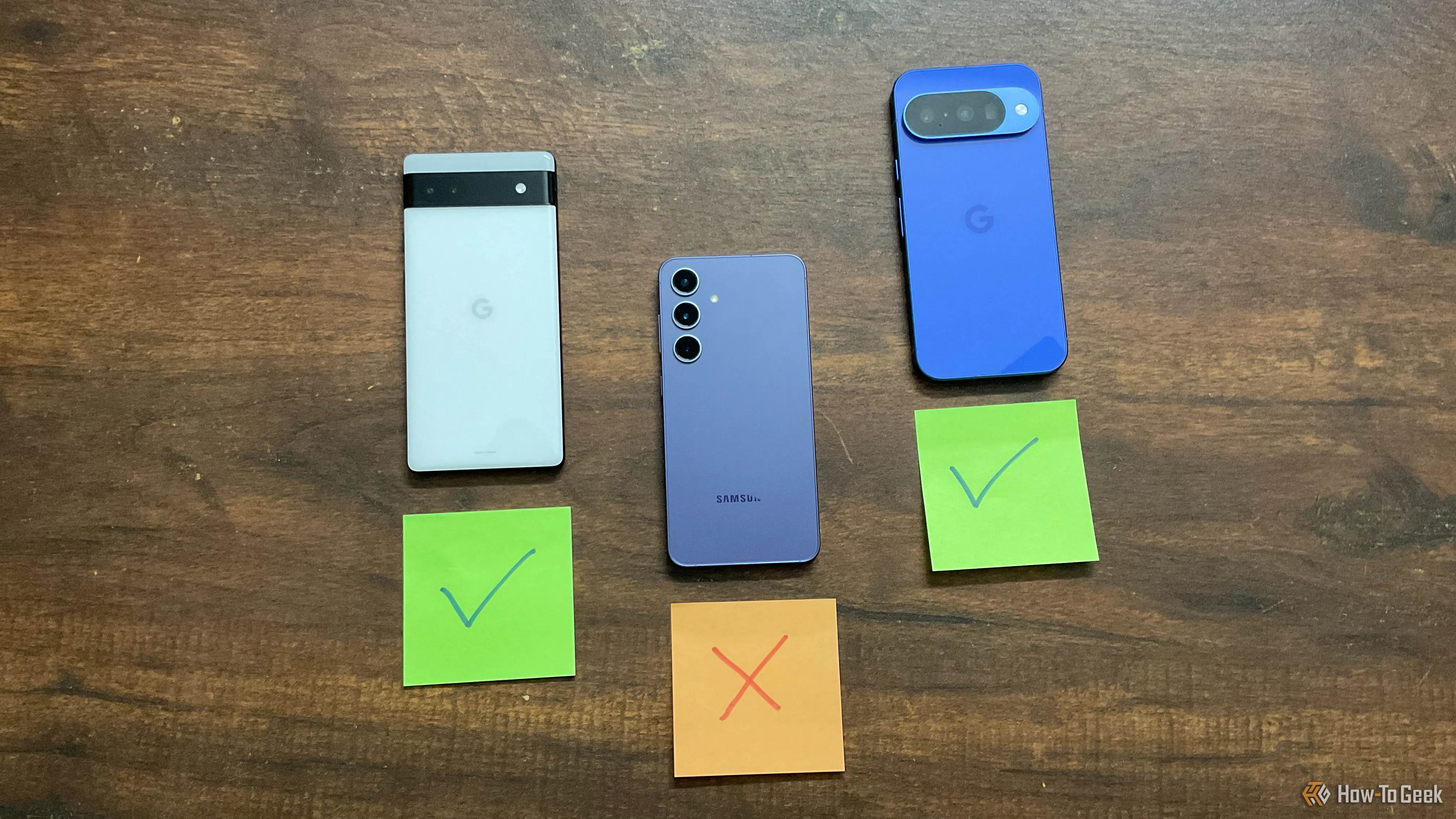
I first got into Google Pixel with my Pixel 6a — and I loved it. But the longer I used it, the more it felt too minimal and lacking in functionality. That feeling was amplified by the fact that all my friends, and Android users in general, seemed to favor Samsung phones and all the cool features Galaxy smartphones bring to the table. Eventually, I got curious enough to upgrade to the Galaxy S24.
However, it was a classic case of thinking the grass was greener on the other side. While the S24 did have some really powerful customization options that my Pixel lacked, it also didn’t have many of the core features I had taken for granted while using my Pixel 6a.
Source link