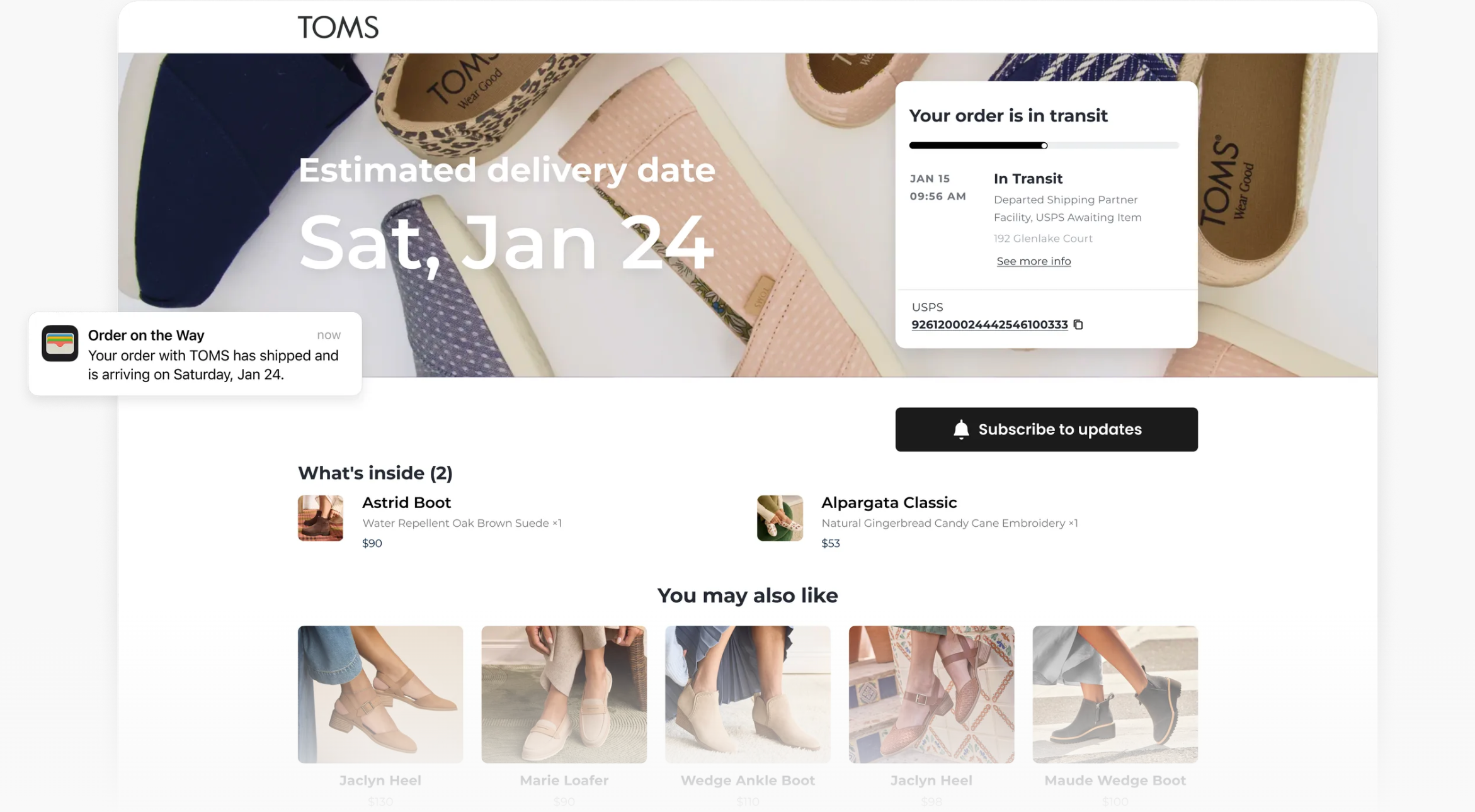
When Teddy Chan was running an online storefront in 2004, he faced a problem common to early e-commerce entrepreneurs: scaling customer support without drowning in “Where is my order?” emails. Drawing on his background in computer science, Chan wrote a simple program to automate delivery status updates—laying the foundation for what would become AfterShip in 2012.
Today, AfterShip has tracked over 11 billion shipments and expanded into a comprehensive post-purchase suite covering tracking, returns and multi-carrier shipping for global brands. Here, Chan discusses how he navigated two decades of e-commerce evolution, the role of predictive AI in driving customer retention and why machine-to-machine interactions will define the next decade of retail logistics.
Related Stories

Why Country of Origin Dictates Peak Season Profitability
From Cost Center to Profit Defense: Rethinking Retail Logistics
Sourcing Journal: What originally inspired you to build AfterShip in 2012, and how has your vision for global e-commerce infrastructure evolved over the last decade?
Teddy Chan: AfterShip started as a fix for my own store. I understood merchants’ pain because it was my pain. I studied computer science. When I graduated in 2004, I started my own online store. I imported MP3 players and gadgets from Asia and sold them on eBay and Amazon worldwide.
Back then there was almost no software for e-commerce sellers. No Shopify yet. We worked hard and were lucky, and the business grew fast. At peak, we shipped around a million orders a year, with fewer than 20 people.
Source link