For consumers raised on constant connectivity, books offer something appealing: an experience that demands time and attention. Retailers are tapping into that appetite for a slower pace, pairing literary-themed products with partnerships that bring readers together.
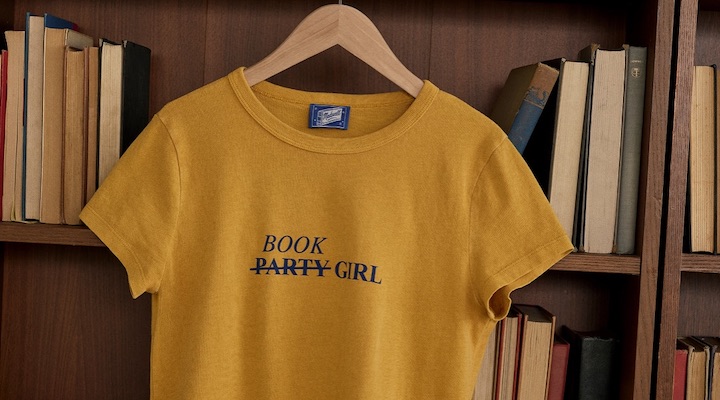
In January, Dior’s “Book Cover” collection reimagined its signature Book Tote with embroidered covers of classics including Dracula. Two months later, Coach partnered with Penguin Random House on fully readable miniature book bag charms, including Sense and Sensibility. Now, this week, Madewell has launched a 15-piece collection with the New York Public Library (NYPL), kicking off a yearlong partnership. Priced from US$25 to US$228, the range included a tote bag, literary-themed T-shirts, and bookish pins.
Many of these book-themed launches have been a hit. But the failure of other IP-inspired activations shows that retailers can’t simply slap a book pun or title onto a product and expect a sell-out.
Frankie Margotta, strategy director at consulting firm Triptk, attributed younger millennials’ and Gen Z consumers’ interest in reading partly to their digitally intense lives.
“There is palpable cultural heat around books and other slower-moving, colder mediums, particularly for younger generations, who grew up with constant connectivity and increasingly prescriptive algorithms,” explained Margotta.
Younger generations are increasingly embracing “friction maxxing”: intentionally choosing more difficult or inconvenient options in daily life to resist technology-driven ease. This has also brought a return to “dumb” devices and other analogue tools and experiences that introduce friction into people’s lives in a positive way.
“Books fit naturally into that shift, as finding one requires some effort and reading one requires time and sustained attention,” remarked Margotta.
Source link