If you purchase an independently reviewed product or service through a link on our website, WWD may receive an affiliate commission.
Analog activities — you know, the types grandma might have proposed as a form of entertainment when you were staying over as a child — were trending in 2026, especially amongst the Millennial and Gen Z generations.
Viewed as an antidote against the soul-sucking doomscroll (akin to the function “dumb phones” have right about now) “grandma hobbies” saw a more-than 500 percent spike over the last 12 months, according to Google Trends.
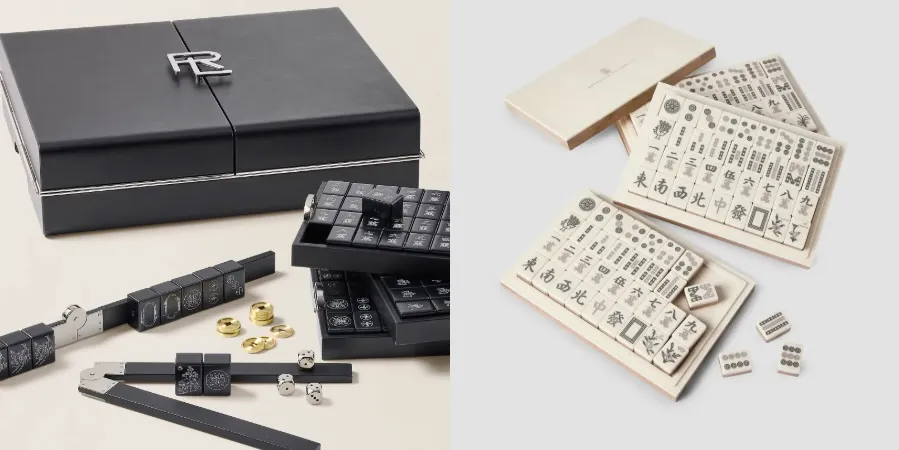
On TikTok, people are turning to, and documenting their experiences with, puzzles, needlepoint, watercolor, mahjong, and similar pursuits. One thing’s clear: We’re fatigued by the endless news cycle, disillusioned with the state of social media as it stands, and want to collectively self-soothe with something that requires patience, using our hands, and emptying our minds of the nonessentials.
On the note of mahjong, the tradition-laden game’s uptick has been one of the most surprising results of this renewed penchant for analog hobbies. A classic Chinese game dating back to the 19th century, it was originally played with bone or ivory tiles. Per Britannica, the name translates to “sparrow,” and mahjong is typically played with four people. The objective? To become the first player to obtain a complete hand of tiles (which have symbolic illustrations or characters on them) while also blocking other players by not discarding tiles useful to them.
That being said, mahjong involves critical thinking, risk management, keen observation, and a mix of both defensive and offensive strategies.
Source link