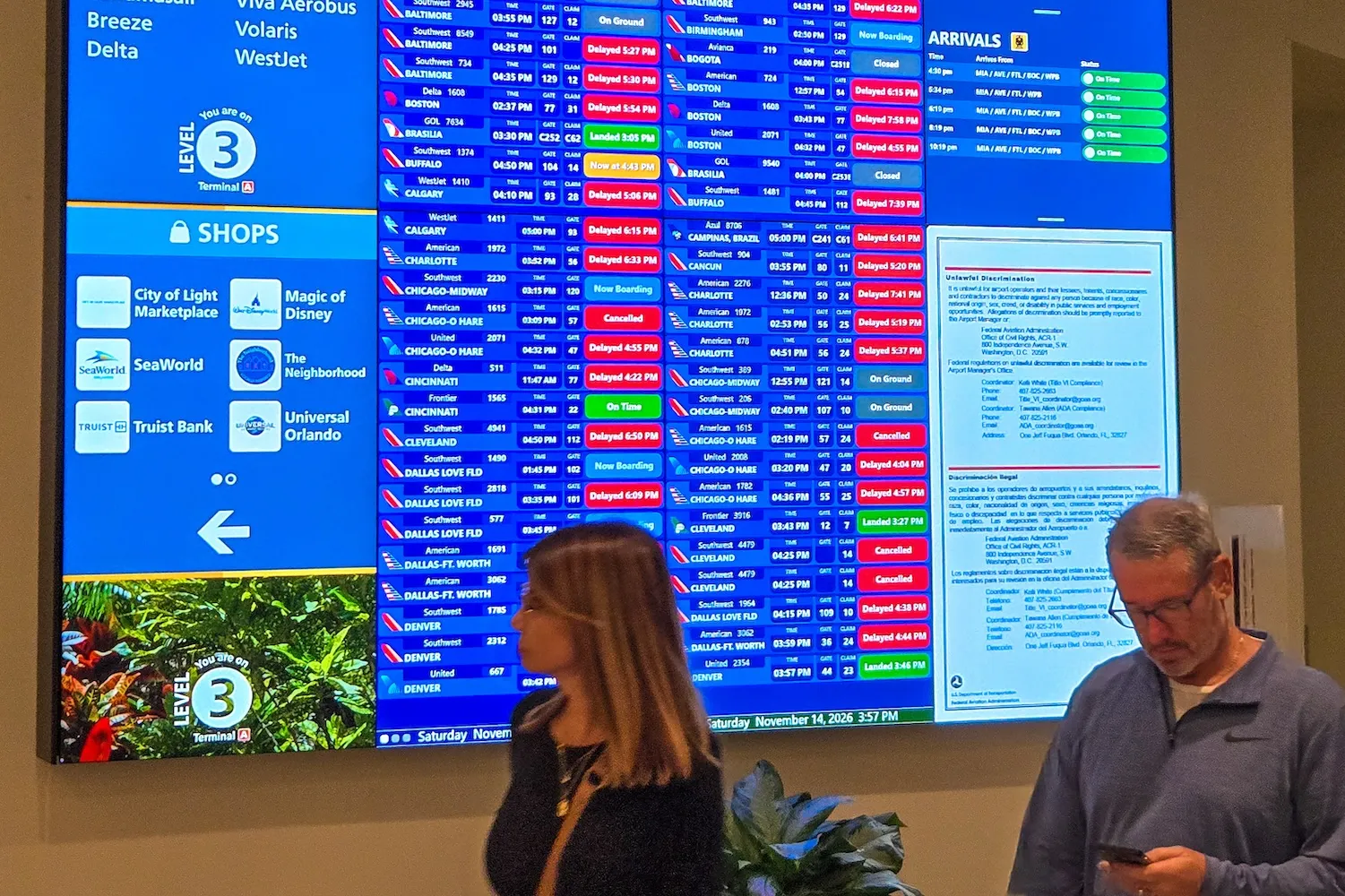
Air cargo throughout the U.S. began moving again over the weekend after the Federal Aviation Administration (FAA) halted all departures nationwide on Friday afternoon. Although the four-hour pause resulted in passenger delays and a backlog of planes, freight movement largely resumed.
“This was a widespread and dramatic event that caused delays and cancellations for air passengers,” said Niall van de Wouw, Xeneta chief airfreight officer. “But for air freight, the damage from a short-lived disruption is minimal.”
Related Stories

Nationwide Ground Stop Freezes US Flights, Backs Up Air Cargo
Trans-Pacific Air Cargo Soars Again, But Capacity is Running Thinner
The FAA said operators canceled about 12,462 flights on Friday, including 9,082 by major airlines. The agency noted not all were directly caused by the stop. Nearly 6,700 additional flights were canceled on Saturday and about 2,100 on Sunday, according to data from FlightAware. The stop took effect at 3:54 p.m. Eastern time and was lifted at 8:15 p.m., after instability spread to 17 of 22 air route traffic control centers in the U.S. The order covered freighters as well as passenger flights.
“When you put this into the context of the seismic impact of the sudden and prolonged closure of critical Middle East hubs earlier this year following missile strikes by Iran, it pales in comparison and is a disruption air freight networks will recover from quickly,” van de Wouw told Sourcing Journal.
No verified industrywide estimate of delayed cargo tonnage or financial losses directly attributable to the outage had been released by Monday.
Source link