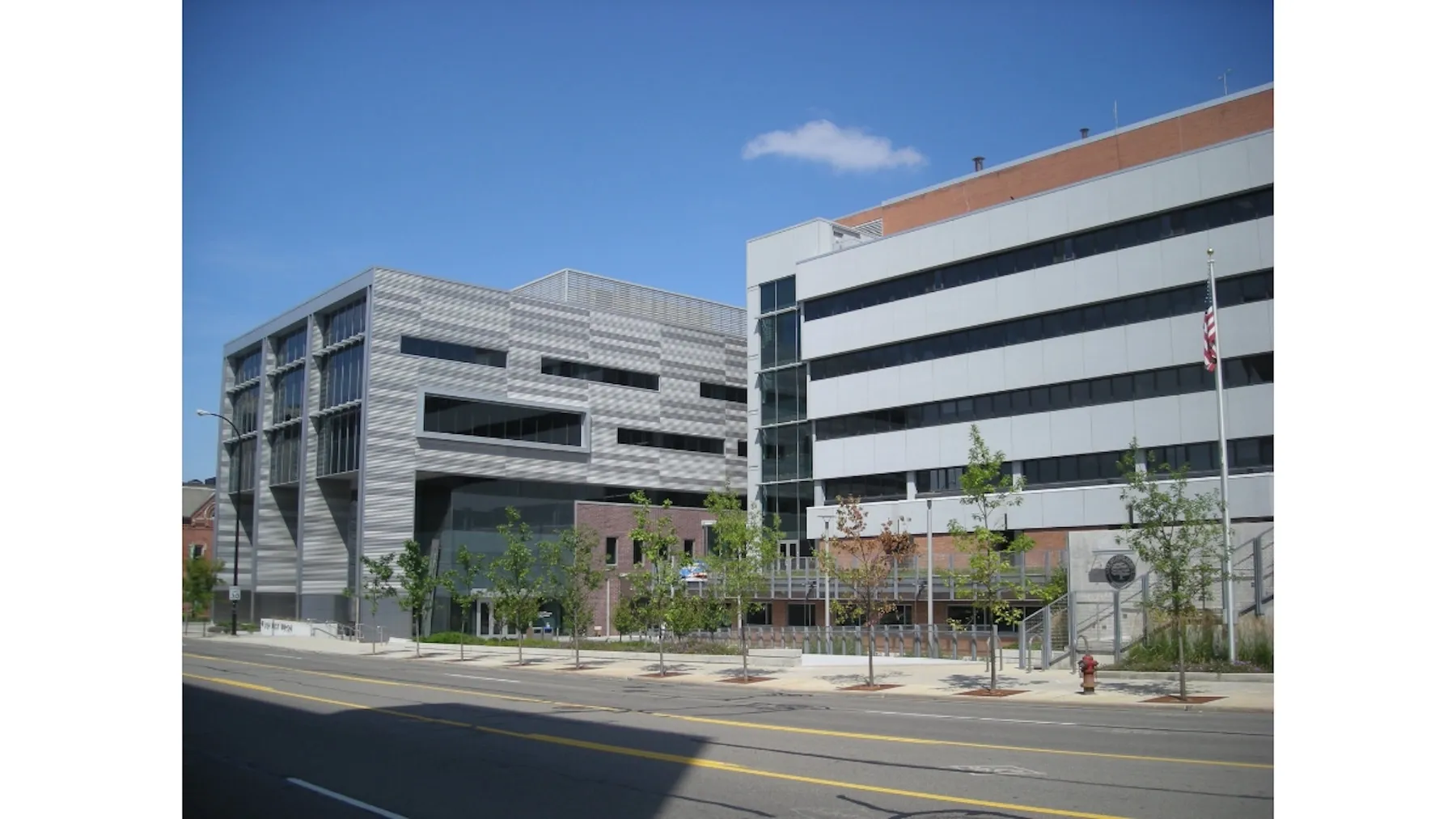
Ann Arbor, Mich. is moving to restrict municipal purchases of apparel and textiles made under abusive labor conditions—proposing new requirements that vendors disclose their factories and demonstrate compliance with international worker protections.
The city council unanimously advanced a sweatfree procurement ordinance on Nov. 5, according to local public radio station WEMU. A public hearing and final vote are expected Dec. 7, though city spokesperson Steve Kilar said the date could change. If adopted, the ordinance would take effect one year later to allow time for implementation.
Related Stories

Op-Ed: Fair Wages Require More Than Audits
Patagonia Expands Living Wage Efforts with ACT Membership
The proposal plans to “end taxpayer support for sweatshops,” covering city contracts of $50,000 or more for apparel, textiles and related equipment, including uniforms, footwear, protective gear and household textiles. The policy would also cover distribution and laundry services.
Under the ordinance, contractors would have to comply with labor laws in the countries where their goods are produced and ensure subcontractors do the same. They would also be required to respect five fundamental principles established by the International Labor Organization: freedom of association and collective bargaining, elimination of forced labor, abolition of child labor, protection against employment discrimination and safe and healthy working conditions.
Farms, textile mills and other suppliers producing fibers or fabrics would also have to comply with the ordinance’s prohibitions on forced and child labor.
Prospective contractors would have to identify the factories and subcontractors they intend to use and disclose whether those operations can meet the required standards.
Source link