Malwarebytes has published research showing that 28% of consumers say they have experienced an AI-related shopping scam in the past year. The findings are based on a survey of 1,500 people across five countries, alongside the company's threat data.
The study points to growing concern among shoppers as online scams become harder to spot during the holiday shopping period. It found that 77% of respondents worry about being scammed by a fake AI website or AI-altered product listings and reviews, while 85% said sophisticated scams can be difficult to distinguish from legitimate offers.
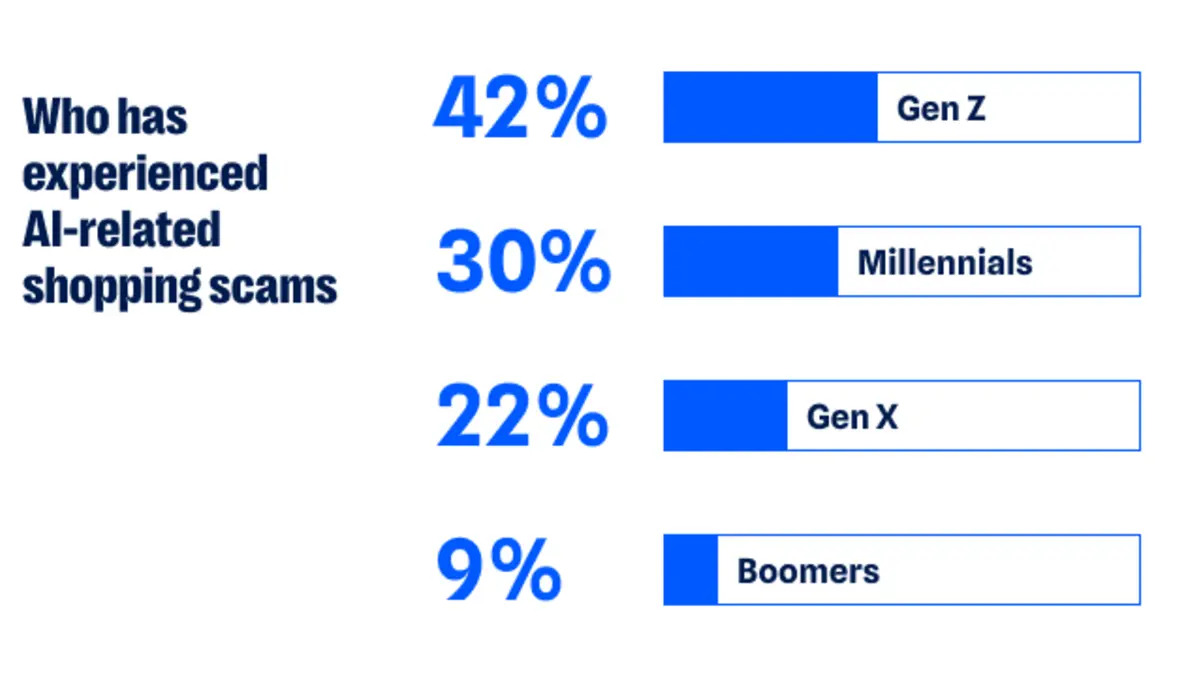
Younger consumers reported the highest exposure. Among Gen Z respondents, 42% said they had experienced an AI-related shopping scam, compared with 30% of Millennials, 22% of Gen X and 9% of Boomers and older.
The research also suggests scammers are relying on familiar household names to improve their chances of success. Amazon was the retailer most often impersonated in scams, followed by Walmart, Temu, Costco and Steam.
Delivery brands also featured heavily in fraudulent messages aimed at shoppers waiting for parcels. USPS ranked first among impersonated delivery companies, followed by FedEx, DHL, UPS and DPD.
One of the report's more notable findings was the role of personalisation. Nearly one in four respondents, or 24%, said they had received a scam message that appeared highly personalised and, in some cases, used their name or other personal details. Among Gen Z, that figure rose to 32%.
According to the report, fraudsters are using AI tools to create convincing storefronts, product images and reviews, while also drawing on breached personal data to tailor scam messages sent by email or text.
Source link