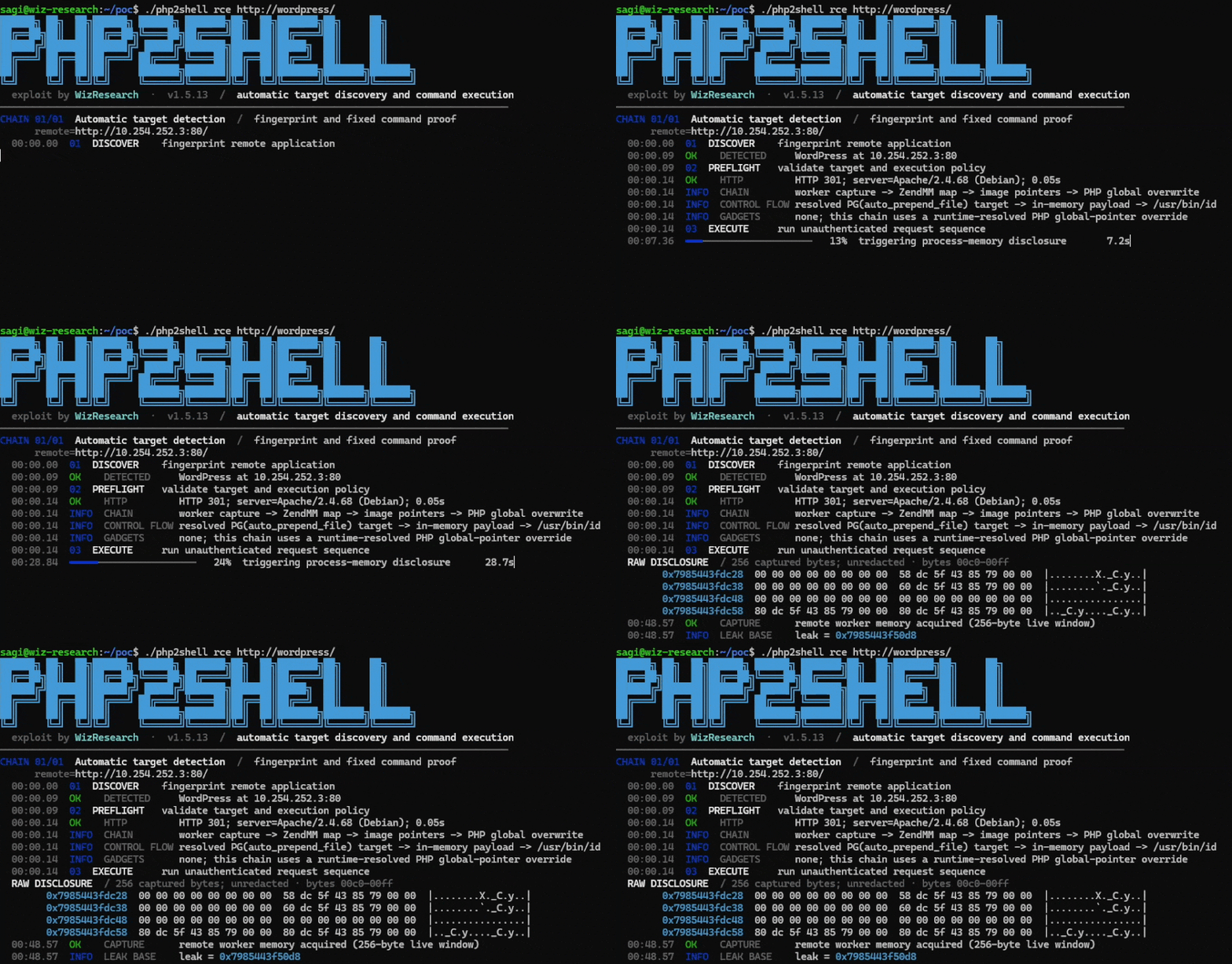
The internet is having a bad day, from a cybersecurity perspective. Government websites around the world went offline, Reuters reported, after AI discovered critical security vulnerabilities that impacted the programming language PHP. The issues were severe enough that the U.S. National Security Agency (NSA) advised organizations using PHP on their systems to either immediately update or take their systems offline until they could.
But the PHP update wasn’t the only headache cybersecurity folks were facing on Wednesday. Node.js, the open-source JavaScript runtime environment, also dropped a security surprise of its own when it shared that four high-severity vulnerabilities were just patched in its latest release. One allowed remote code execution, and two others would have permitted a TLS validation bypass, potentially allowing attackers to bypass checks intended to verify a server’s identity.
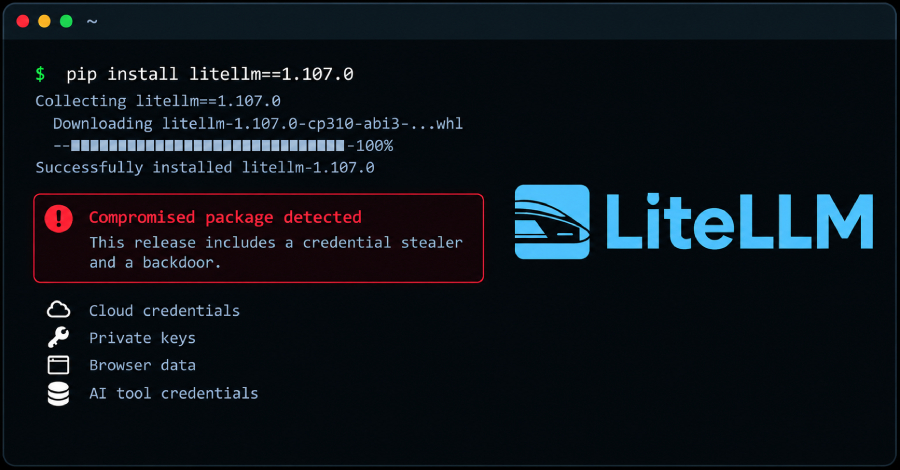
In addition, LiteLLM, a popular open source proxy for routing requests to multiple LLM providers, was compromised by an attacker who injected malicious code, the company shared in a post on X on Wednesday afternoon. The malicious artifacts were published to PyPI (Python Package Index), Docker Hub, and GHCR (GitHub Container Registry), the post noted.
The malicious code was said to include an information stealer that targeted cloud credentials, passwords, and AI service credentials, in addition to a remote access trojan that could allow hackers to execute commands on compromised systems.
LiteLLM said it has now removed the malicious releases and images and advised anyone who installed them to follow the remediation guidance it provided.
Source link