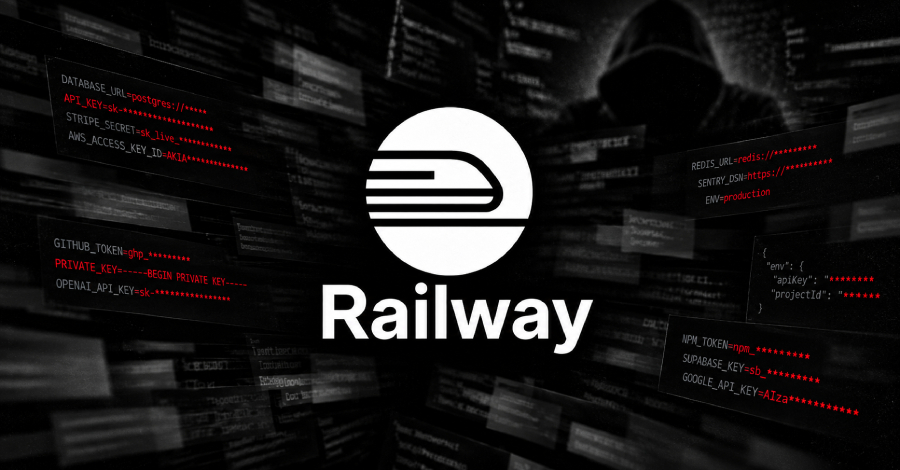
Right now, there is probably an AI agent running on a laptop somewhere in your network. It stores API keys and database passwords, can access your internal systems, and works without anyone watching.
If an employee had that much reach with that little oversight, you would call it an insider risk. So why do we still call the agent a productivity tool?
Most of the conversation about AI security is about what threat actors are doing with it. But the bigger threat may already be inside your organization.
That's the focus of our upcoming webinar, AI as an Insider Threat: From Shadow AI to Governed AI, with expert guest Richard De La Torre, Technical Product Marketing Manager at Bitdefender. Save your seat for a practical security playbook on bringing that unseen AI under control.
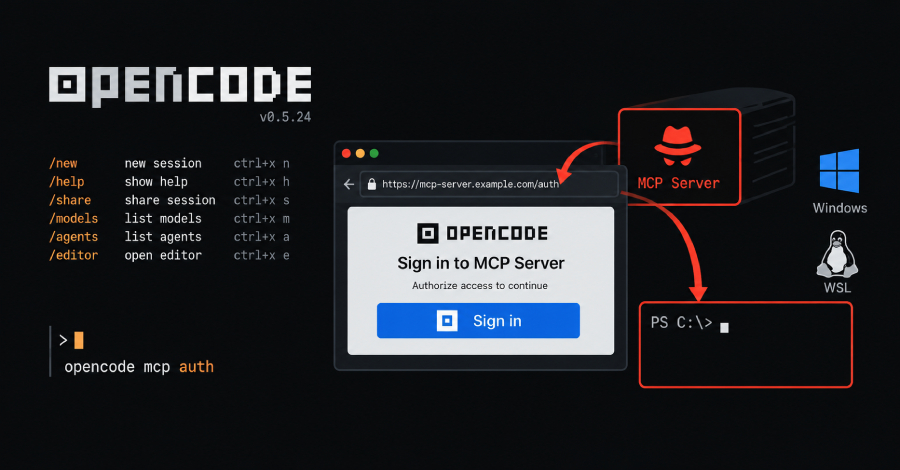
It isn't only developers. AI agents, coding assistants, MCP servers, and browser extensions are turning up across the business.
And most of them never cross your network gateway in a way the tools you already run would recognize.
The result is a hard irony. The AI with the most access is often the AI your security team can't see.
According to Bitdefender's 2026 Cybersecurity Assessment report, only 51.8% of organizations report having full visibility into the AI tools their staff use. That leaves nearly half without the full picture.
That blind spot has a cost. IBM found that 20% of breached organizations were compromised through shadow AI.
Source link