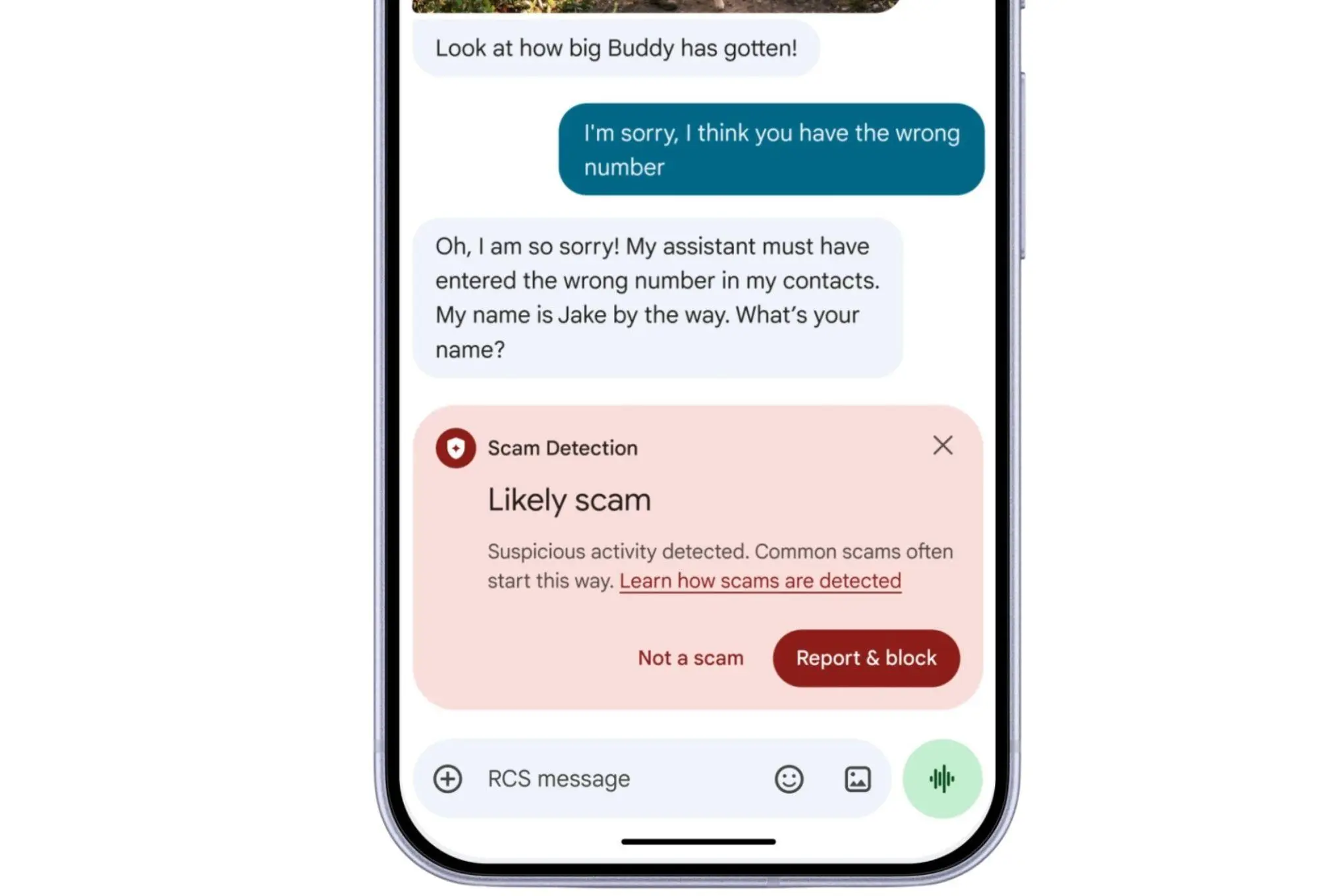
Most companies use AI agents to ship products faster or to speed up workflows. Apate.ai sends them undercover to get scammed.
Founded in 2024 on the basis of research done in Macquarie University in Sydney, the Australian startup deploys thousands of AI agents that masquerade as innocent victims. The agents can answer scam calls, respond to shady messages and emails, follow phishing links, and join social media groups to bait fraudsters. They pretend to be people of all stripes, sporting different ages, genders and accents, and speak various languages as they try to keep scammers engaged long enough to learn something useful.
The company says its fleet of agents has so far wasted 17 years of scammers’ time across 2.5 million conversations. More importantly for Apate’s customer base of banks, telecom companies, government agencies and utilities, the undercover agents try to get scammers to reveal things about themselves that are usually learned only after a victim has been scammed: bank accounts, crypto wallets, phone numbers, malicious websites, the brands they’re impersonating, and other details about the scams they’re running.
Apate, one of the finalists at this year’s Startup Battlefield 200 at TechCrunch Disrupt, then feeds that information to its customers, who use it to inform their anti-fraud measures and initiatives. (The company will pitch a panel of VC judges at Disrupt, which is taking place this week at Moscone West in San Francisco through Thursday, October 15.)
It’s a curious evolution of scam-baiting, but it’s not so surprising given how much AI has empowered scammers and hackers.
Source link