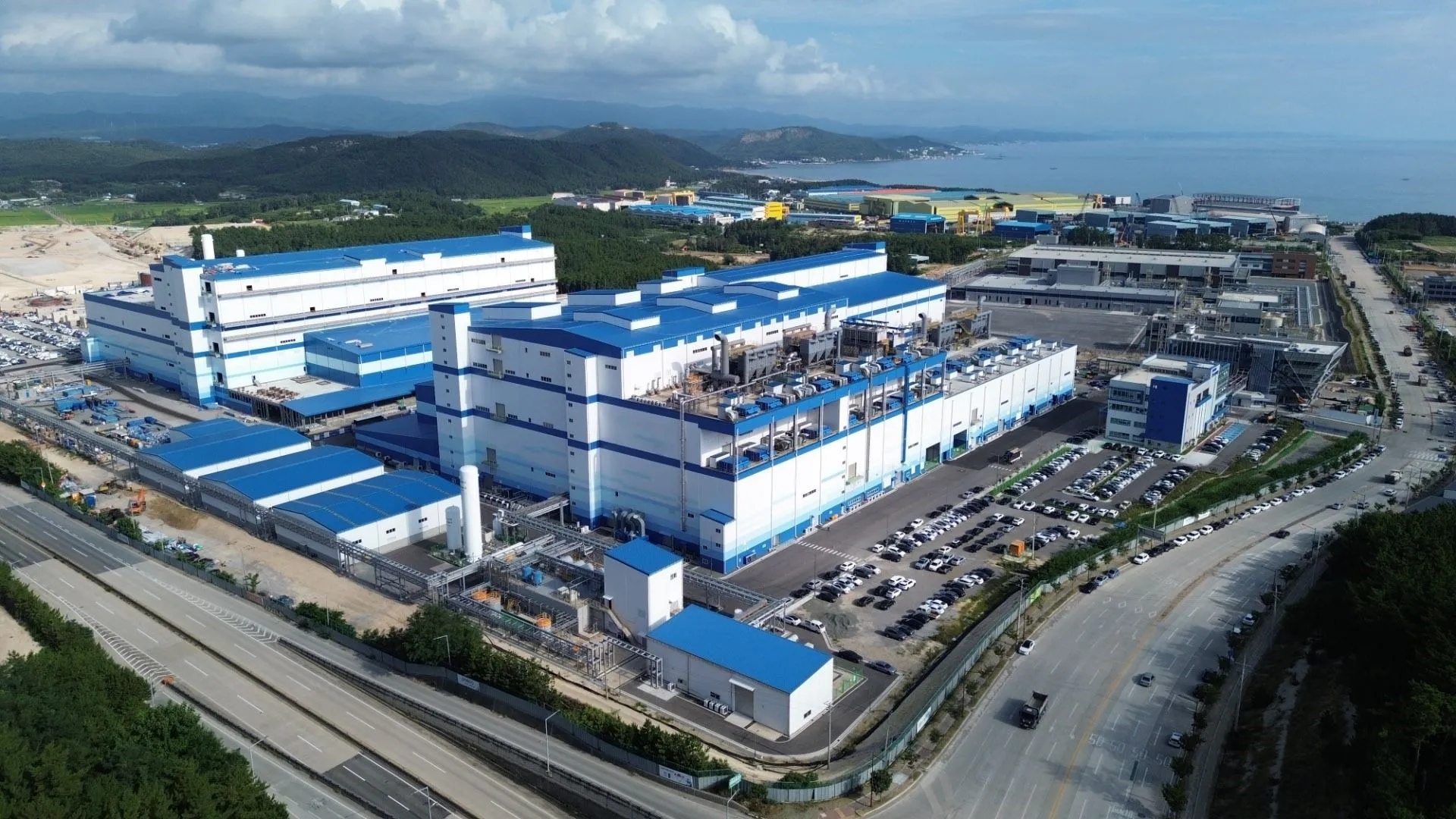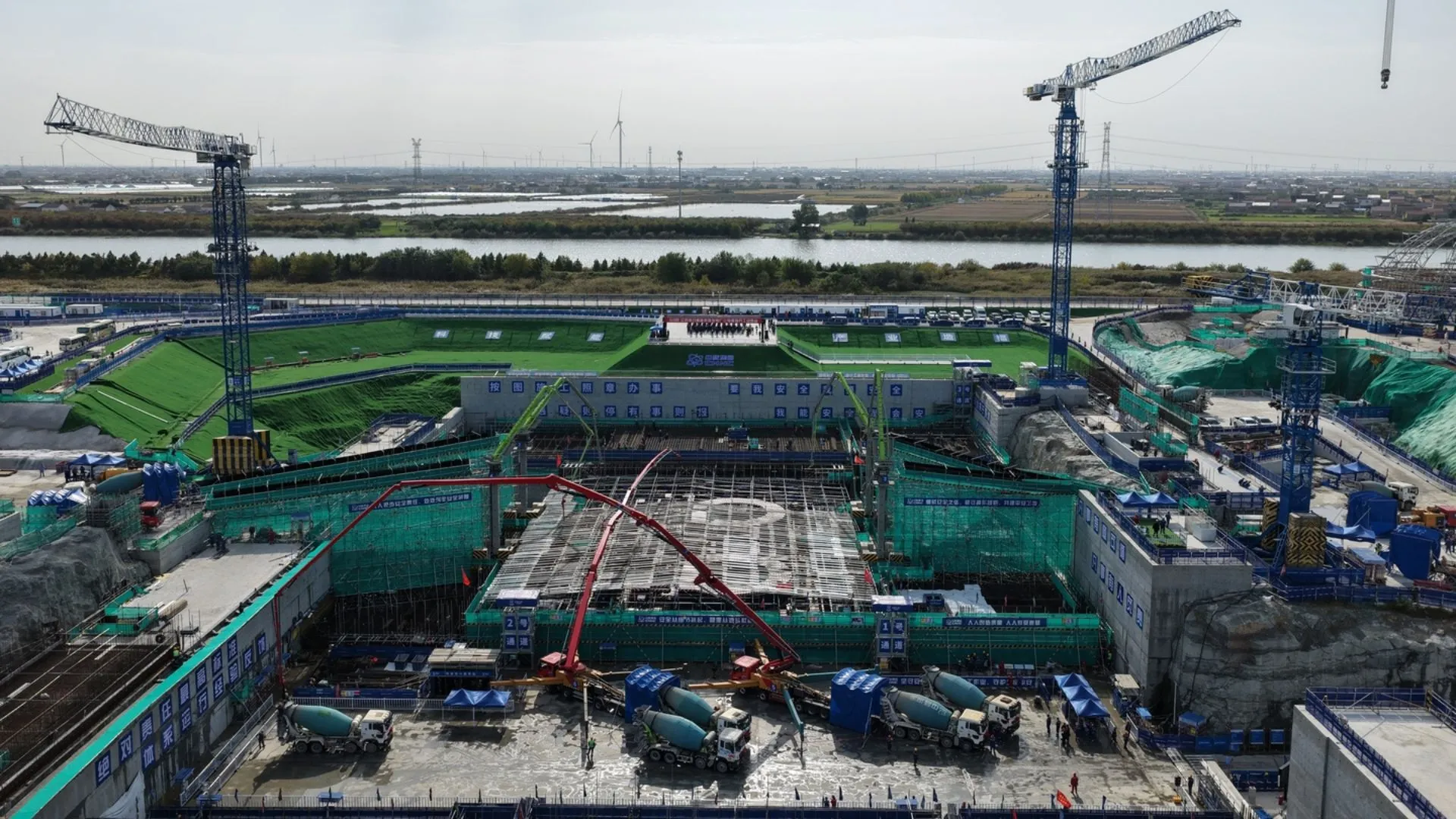
Workers have poured the first concrete for the nuclear island at the Xuwei plant in Jiangsu province. The milestone marks the official start of construction on the world’s first commercial “Chilong-1” reactor. The project sets a precedent for using nuclear energy to power large-scale chemical manufacturing.
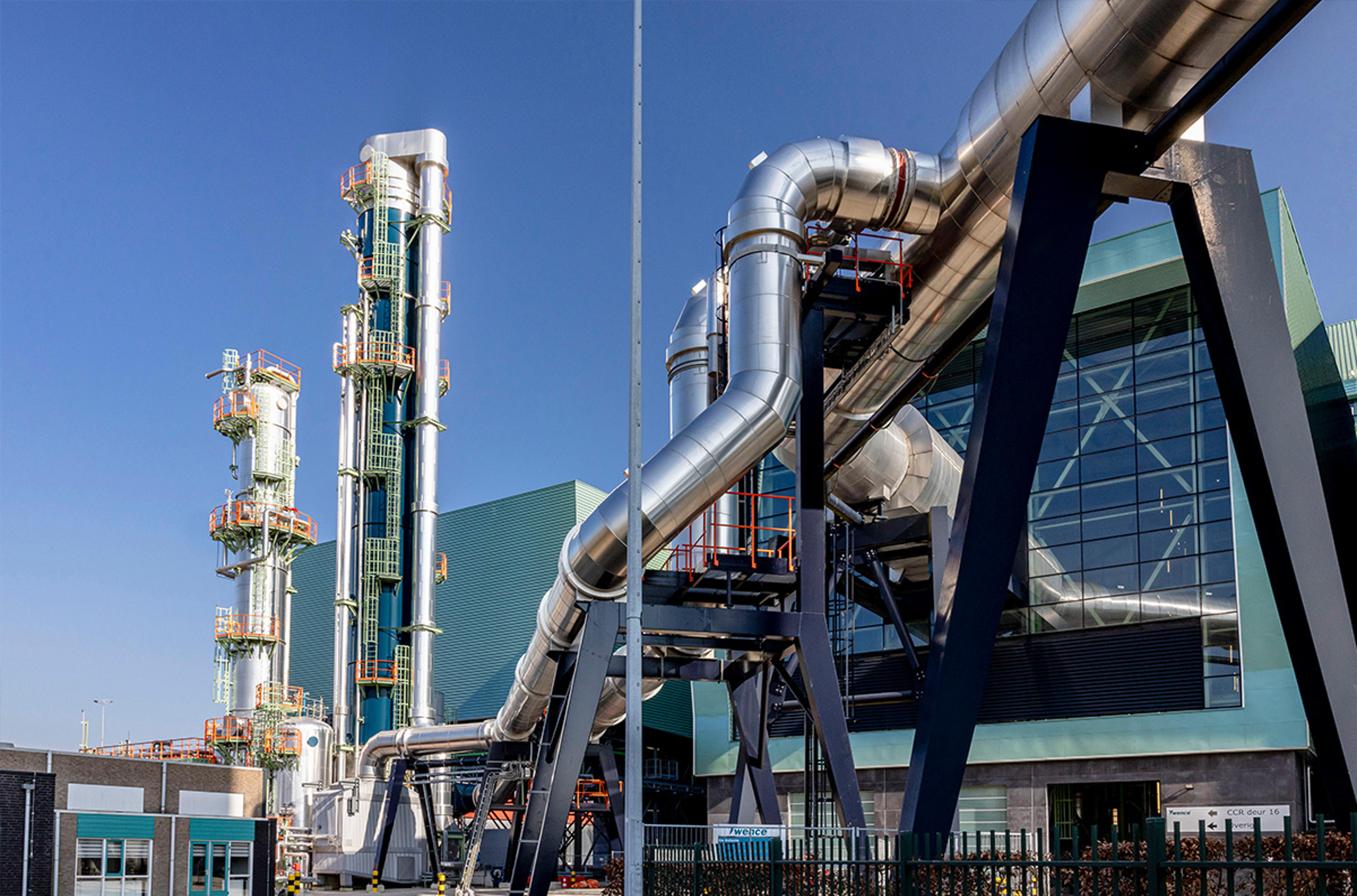
Unlike conventional nuclear sites built almost exclusively for the electrical grid, the Xuwei complex will function primarily as an industrial steam supplier. It provides heat directly to nearby petrochemical refineries while sending surplus electricity to the regional network.
Once fully operational, its first phase will provide 32.5 million tonnes of industrial steam each year and generate over 11.5 billion kilowatt-hours of electricity. Replacing fossil fuels here will cut standard coal use by 7.26 million tonnes each year. According to official estimates, this will prevent nearly 19.6 million tonnes of carbon dioxide emissions.
The plant achieves this output through an unusual hybrid design. It will pair two distinct nuclear technologies on a single site. These nuclear technologies are “Hualong One” pressurized water reactors and the “Chilong-1” high-temperature gas-cooled reactor.
The system runs in sequence to produce steam with exact thermodynamic properties. Main steam from the third-generation Hualong One first turns demineralized water into saturated steam. The fourth-generation Chilong-1 then takes that steam and superheats it further, yielding three separate grades of high-temperature steam tailored for petrochemical refining.
To manage this tandem operation safely, plant operators will use a unified “reactor-machine-heat” coordinated control architecture. It is the first time a commercial facility has run both reactor types under a single integrated heat-delivery framework.
Source link