This article has been reviewed according to Science X's editorial process and policies. Editors have highlighted the following attributes while ensuring the content's credibility:
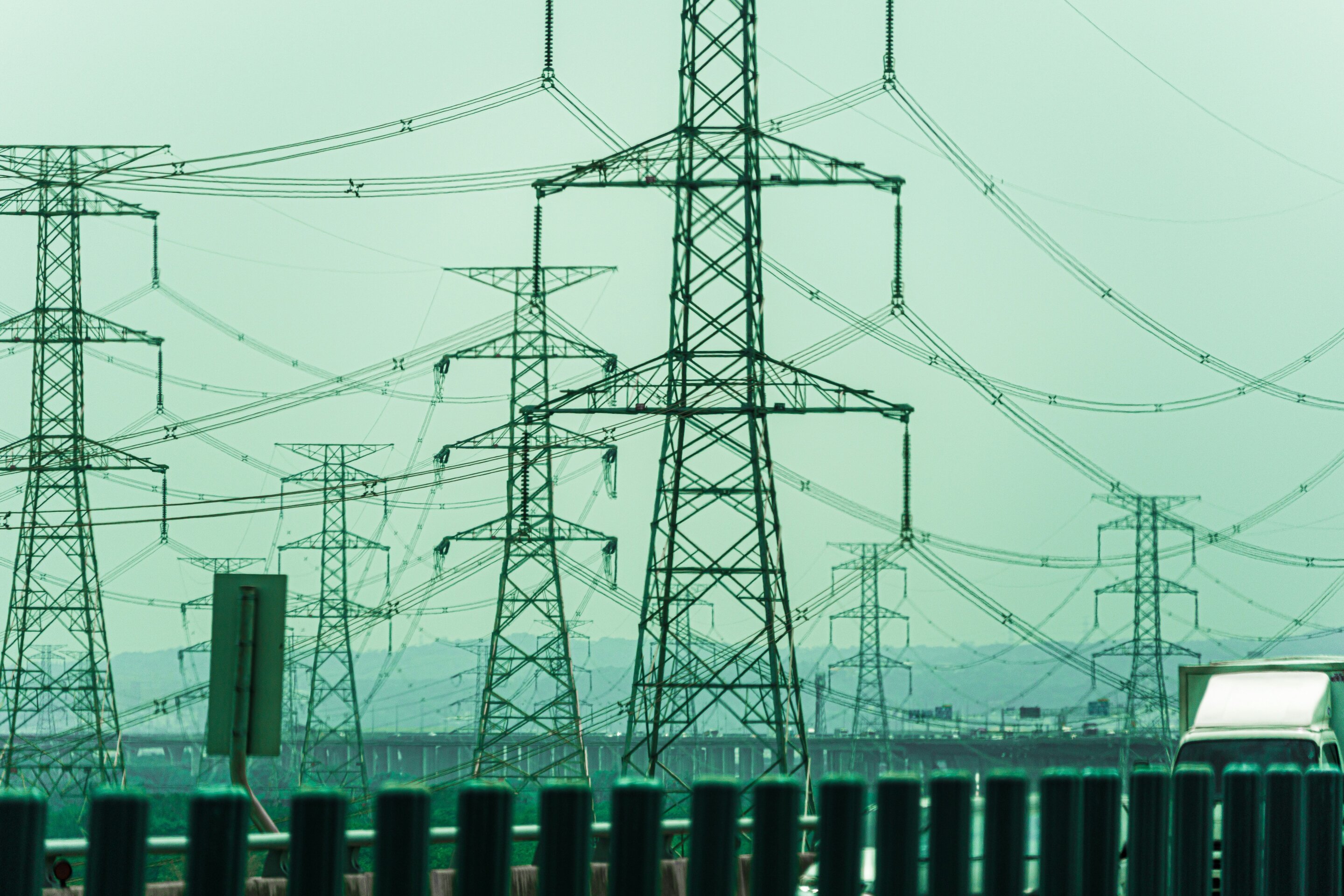
As electricity demand surges across the United States due to the electrification of transportation and heavy industry and the rapid expansion of data centers, the nation's aging power grid is failing to keep pace.
In a Policy Forum paper published in Science, energy policy experts from Carnegie Mellon University and the University of California San Diego warn that the U.S. faces one of the most severe power transmission bottlenecks in the world.
Despite strong evidence that large, interconnected grids lower consumer costs and prevent catastrophic blackouts, the continental U.S. has built only about 500 miles (800 kilometers) of high-voltage transmission lines per year over the last half-decade. This represents just 10% of the 5,000 miles (8,000 kilometers) annually that studies suggest will be needed to triple the interregional grid by 2050 and meet future energy needs.
The authors Madeline Yozwiak, David G. Victor and M. Granger Morgan state that the central issue is not primarily technological. Instead, it stems from a fragmented political and regulatory landscape that grants powerful veto rights to stakeholders at local, state and regional levels. In addition, incumbent utilities often face economic incentives to limit regional connections that could undercut local market power.
To fix the transmission crisis, the paper outlines a three-point action plan:
"The fundamental challenge isn't technical; it's jurisdictional. Authority is divided among federal, state and private entities, each with distinct priorities.
Source link