The US Nuclear Regulatory Commission (NRC) has issued a construction permit for a four-reactor nuclear power facility in Texas, marking the first approval for a high-temperature gas-cooled reactor (HTGR) in nearly 60 years.
The Long Mott Generating Station, planned for Calhoun County, Texas, will feature four Xe-100 small modular reactors (SMRs) developed by US-based X-energy. The project is being developed by Long Mott Energy, a wholly owned subsidiary of chemical manufacturer Dow, for its Seadrift Operations site.
The facility is designed primarily to supply high-temperature steam for industrial processes at Dow’s site. It will also generate electricity, with surplus power exported to the grid.
The construction permit marks a significant milestone for advanced nuclear technology in the US. It is the third advanced reactor construction permit issued by the NRC in 2026 and the agency’s first approval of a multi-module advanced reactor facility.
The four Xe-100 reactors will have a combined thermal capacity of 800 megawatts (MWth) and an electrical capacity of 320 megawatts (MWe). Each module is designed to generate approximately 80 MWe of electricity while also supplying heat for industrial applications.
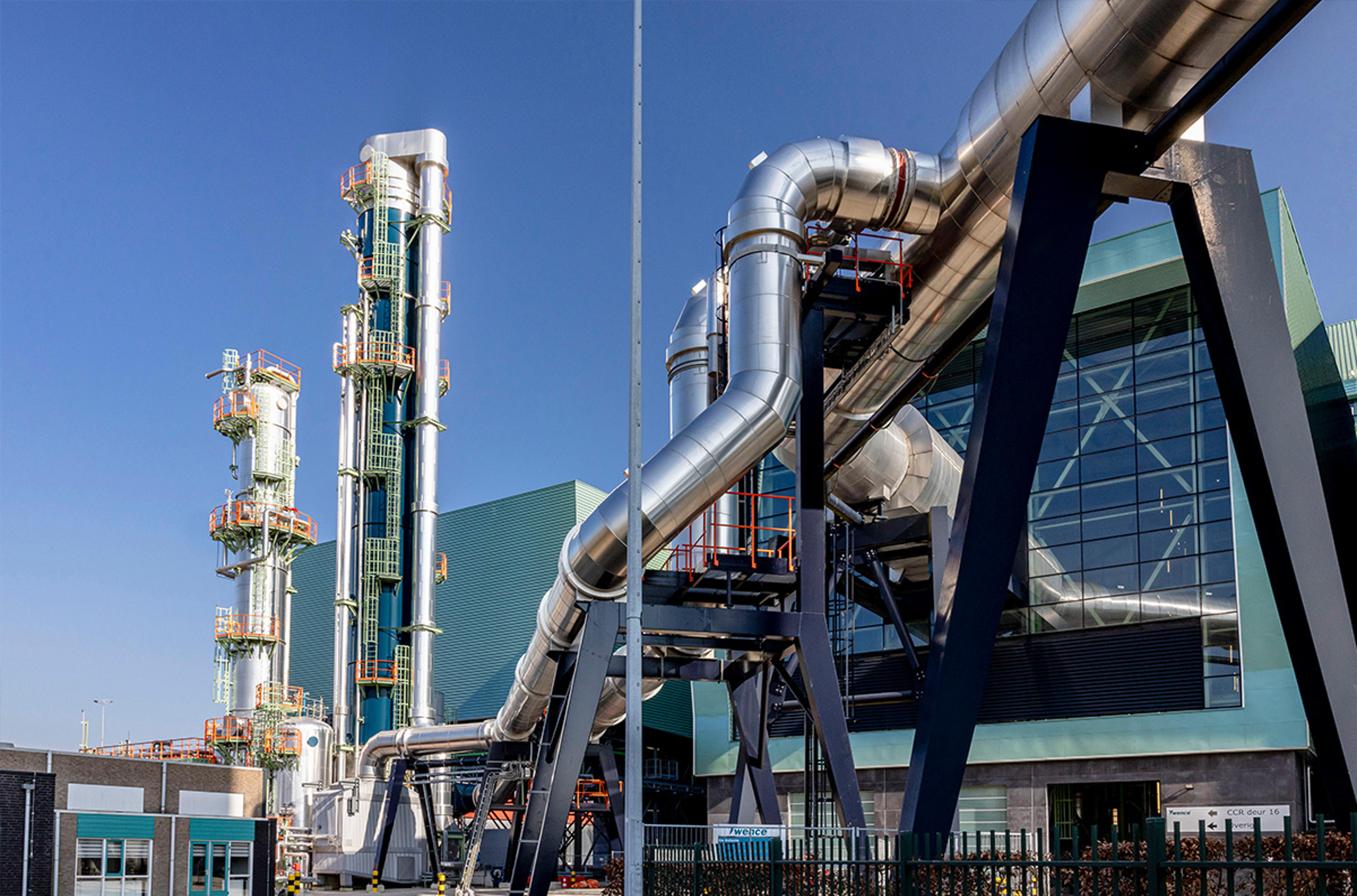
Unlike conventional nuclear power plants that primarily generate electricity, the Long Mott facility is designed around the energy requirements of an industrial site. High-temperature steam can support energy-intensive manufacturing operations, potentially replacing conventional fossil-fuel-based heat sources.
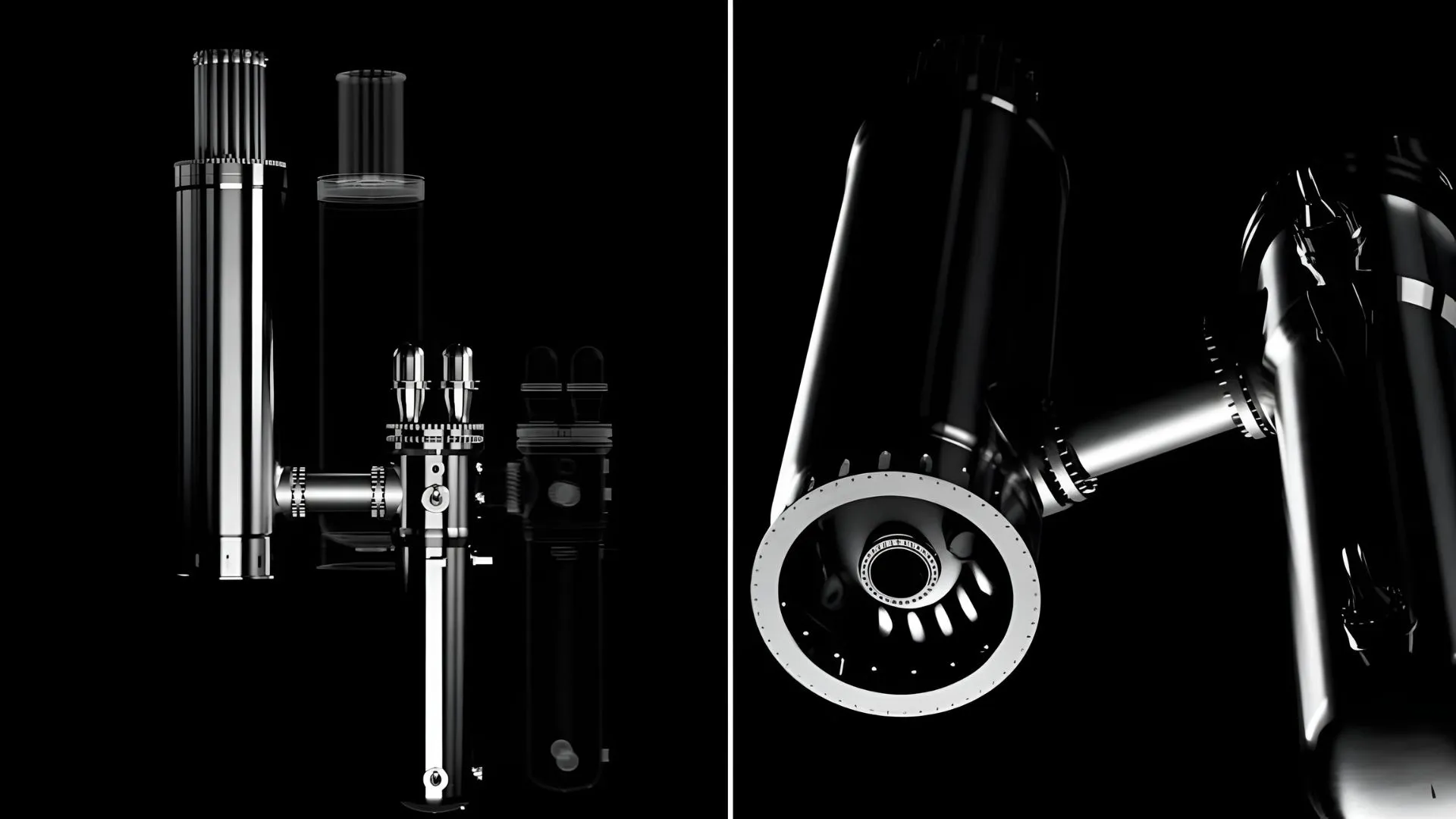
The Xe-100 is a high-temperature gas-cooled reactor that uses helium as a coolant and graphite pebbles containing tri-structural isotropic (TRISO) fuel particles. Its pebble-bed core allows fuel to be added during operation, rather than requiring the reactor to shut down for conventional refueling.
Source link