First of two stories about the effort to support Lahaina fire survivors’ health in the disaster’s long, hard aftermath.
LAHAINA, Hawaiʻi—Early on a Saturday morning in May, Ruben Juarez took the 45-minute flight from Oʻahu to Maui, just like he’d done dozens of times over the past three years.
Juarez landed in Kahului Airport with his partner, Alika Maunakea, and drove on a long winding highway beside the piercing blue ocean until they reached the Lahaina Comprehensive Health Center.
A cool breeze wafted in from the Pacific less than half a mile below as they set up stations for blood collection, lung function tests and mental health check-ins, directing a team of Ph.D. students and local healthcare providers. Then they waited for the fire survivors to arrive.
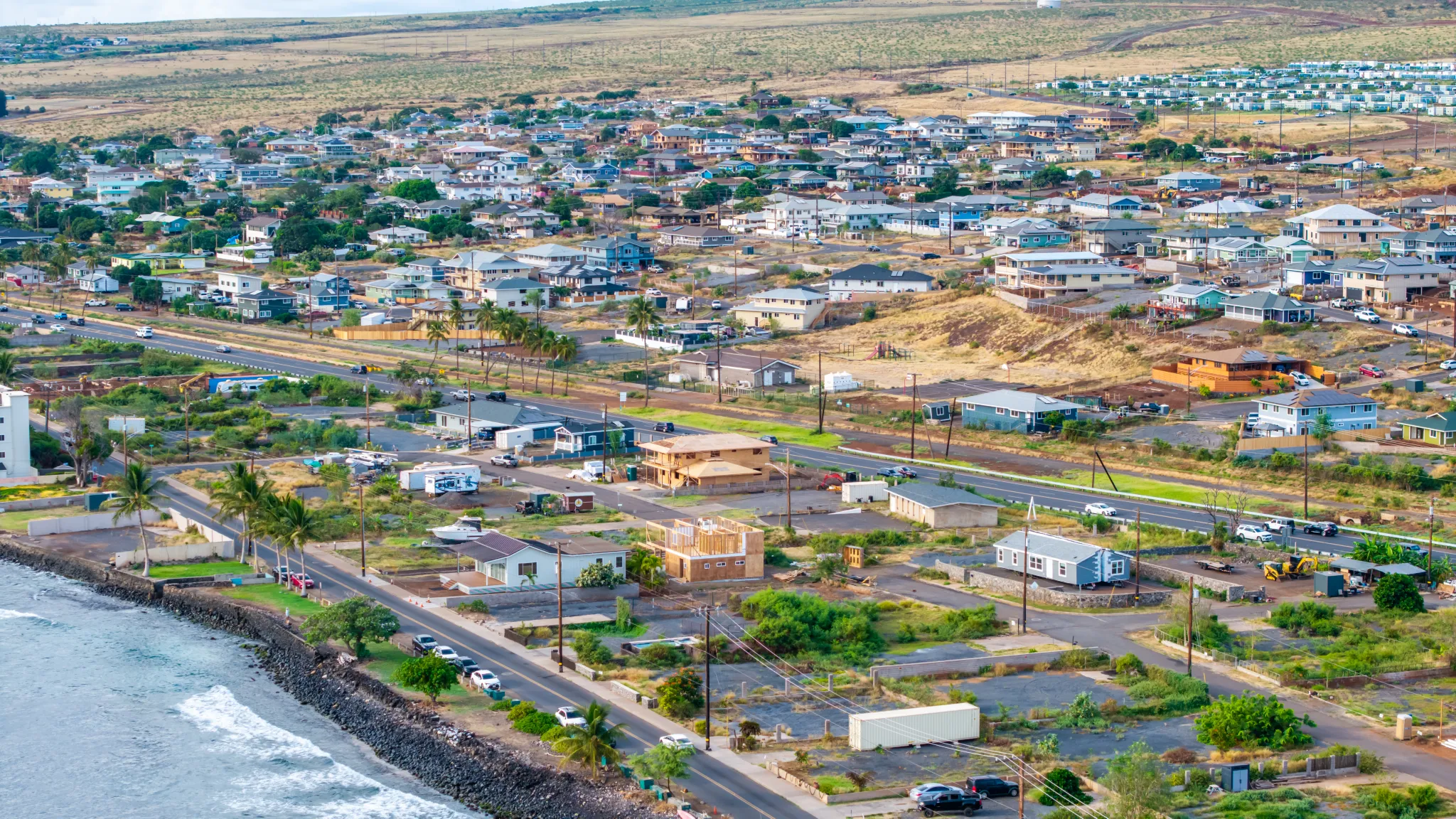
On Aug. 8, 2023, Maui was hit with the deadliest wildfires the U.S. has seen in over a century. They killed at least 102 people, displaced nearly 13,000 residents and destroyed more than 2,200 buildings. Three years later, just 15 percent have been rebuilt.
Juarez, an economist, and Maunakea, a biomedical scientist, never expected to focus on disaster recovery. But after the fires, they were thrust into the space by the overwhelming scale of need. The two University of Hawaiʻi professors dreamed up the Maui Wildfire Exposure Study, or MauiWES, as a form of rapid response: an effort to track the impacts of the fires on survivors’ health.
We deliver climate news to your inbox like nobody else. Every day or once a week, our original stories and digest of the web’s top headlines deliver the full story, for free.
Source link