
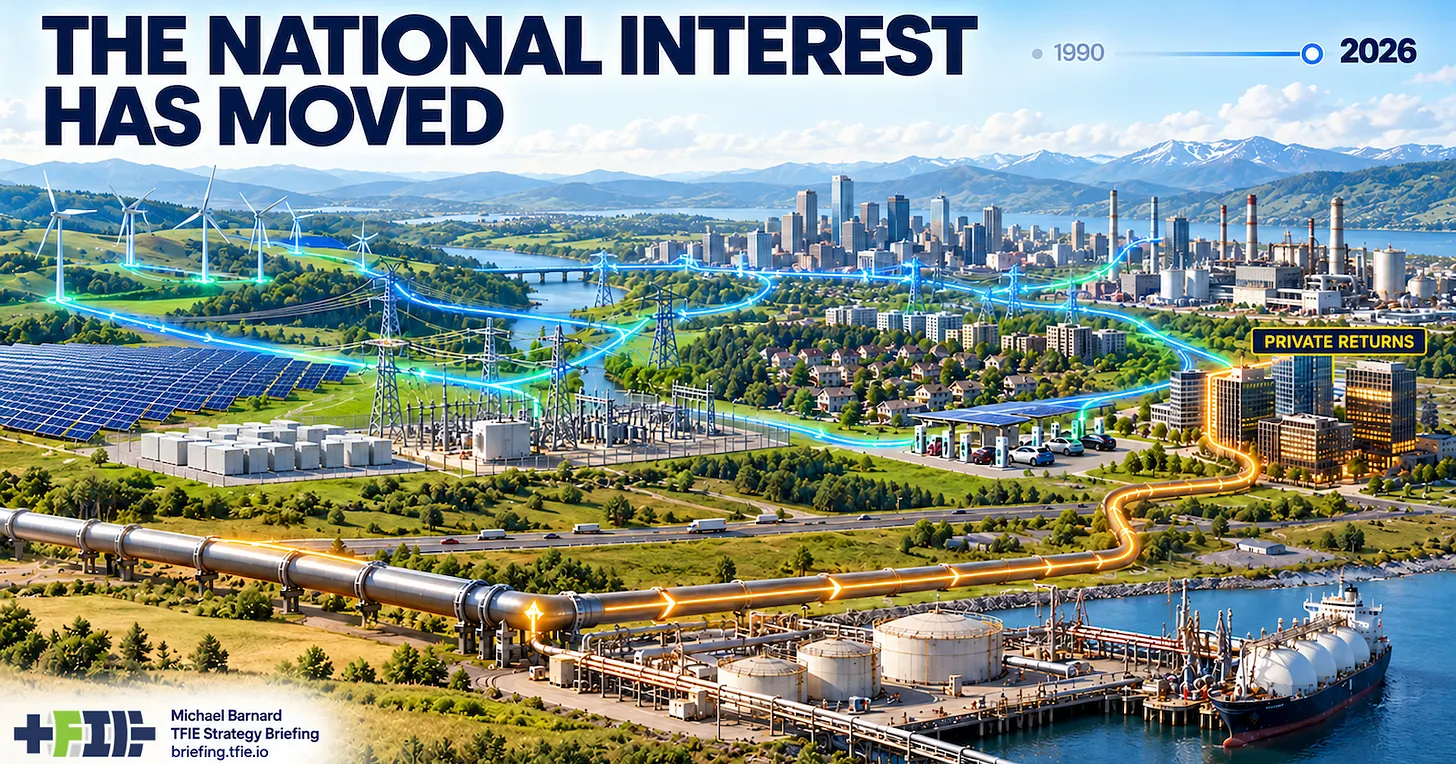
For much of the climate-policy era, national self-interest and climate action could plausibly point in different directions. A country could let others spend more on emissions reductions while continuing to use familiar coal, oil and gas infrastructure at home. When the low-carbon alternatives were expensive, limited or immature, that could look economically rational even if it imposed climate costs on everyone else.
The choices available in 2026 are different enough that the old calculation deserves another look. Solar, wind and batteries have fallen sharply in cost, electric vehicles are mass-market products in many countries, heat pumps can replace combustion in a large share of buildings, and power electronics have widened the range of equipment that can run efficiently on electricity. A minister deciding what to build today is choosing from a different technology set than a minister making the same decision in 1990.
A comparison between those two technology eras prompted my latest TFIE Strategy Briefing on national interest and private energy incentives. The simulator behind that comparison is still a developing analytical tool; the more useful question is whether the economics outside the model point in the same direction.
For fossil-fuel importers, they often do. Fuel has to be bought repeatedly, so continued dependence means continued exposure to commodity prices, foreign suppliers and exchange rates. Electrification shifts more spending toward power generation, networks and equipment that keep providing services after the capital has been spent.
That shift is not free. Cheap solar panels can be especially valuable where grids are weak or absent, allowing households, businesses and industrial sites to generate power behind the meter.
Source link