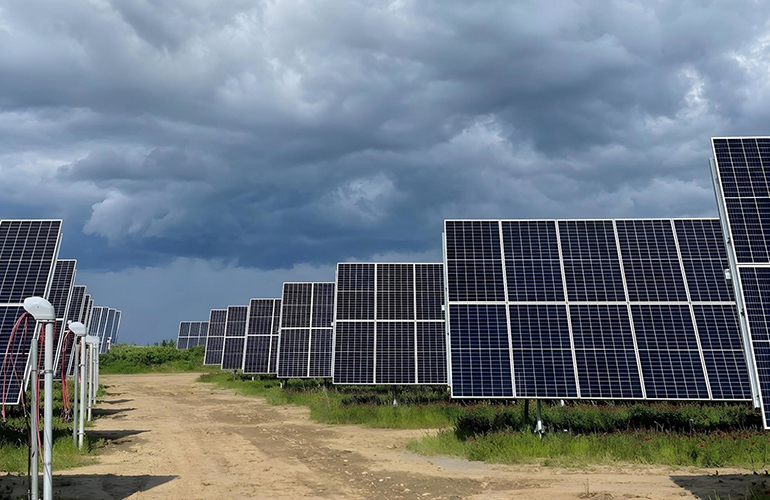
Australian solar cell technology innovator SunDrive Solar has teamed with Space Machines Company (SMC) to accelerate the development of its copper-based heterojunction (HJT) solar cell technology, aiming to establish a source of Australian-made solar arrays for commercial spacecraft and satellites.
Spun out of the University of New South Wales (UNSW), SunDrive has developed a proprietary copper electroplating technology that replaces silver in solar cell metallisation, aiming to reduce manufacturing costs and improve efficiency.
The company’s cells, which have delivered record-breaking results, are ultra-thin and lightweight, qualities that SunDrive co-founder and Chief Technology Officer Vince Allen said matter in orbit, where every gram of array mass is a trade against payload.
“SunDrive’s copper HJT technology brings together the ultra-thin, lightweight and high-efficiency performance needed for next-generation spacecraft solar arrays,” he said. “And applying that to SMC’s Optimus Viper program is a great opportunity to demonstrate what Australian innovation can achieve in the demanding environment of Low Earth Orbit.”
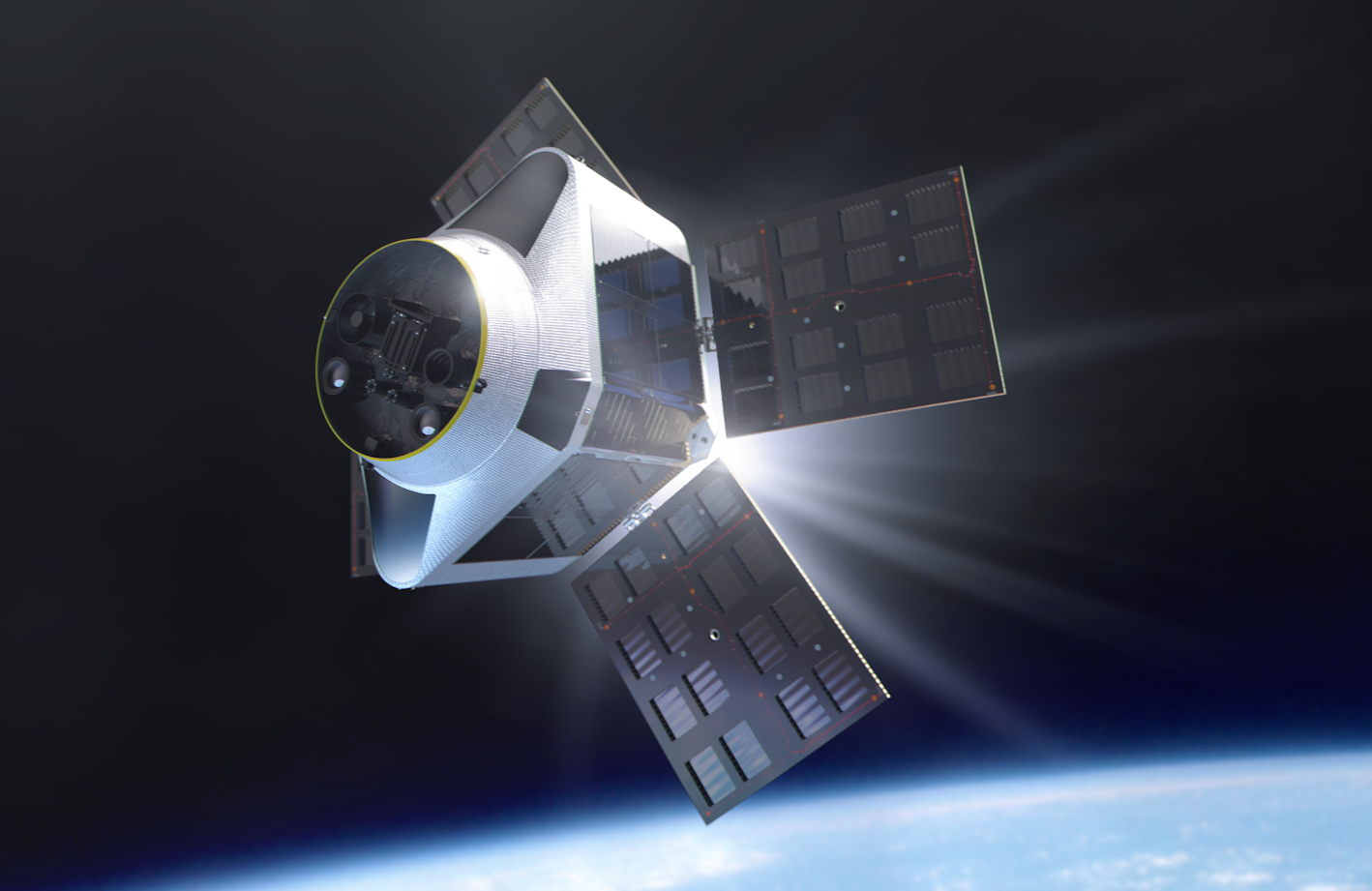
Under the research and development collaboration SunDrive will work with SMC, which is focused on developing sovereign space transportation capabilities for Australia, to produce a body-mounted solar panel for the company’s Optimus Viper spacecraft, a 200 kg vehicle designed for autonomous operations across Low Earth Orbit.
SunDrive will lead cell selection, module design, lamination and electrical characterisation. SMC will lead substrate design, structural and thermal analysis of the panel, assembly and testing, and mounting the panel on a structural model of Optimus Viper. The two companies will jointly develop the process for bonding solar modules to the panel substrate.
Source link