This article has been reviewed according to Science X's editorial process and policies. Editors have highlighted the following attributes while ensuring the content's credibility:
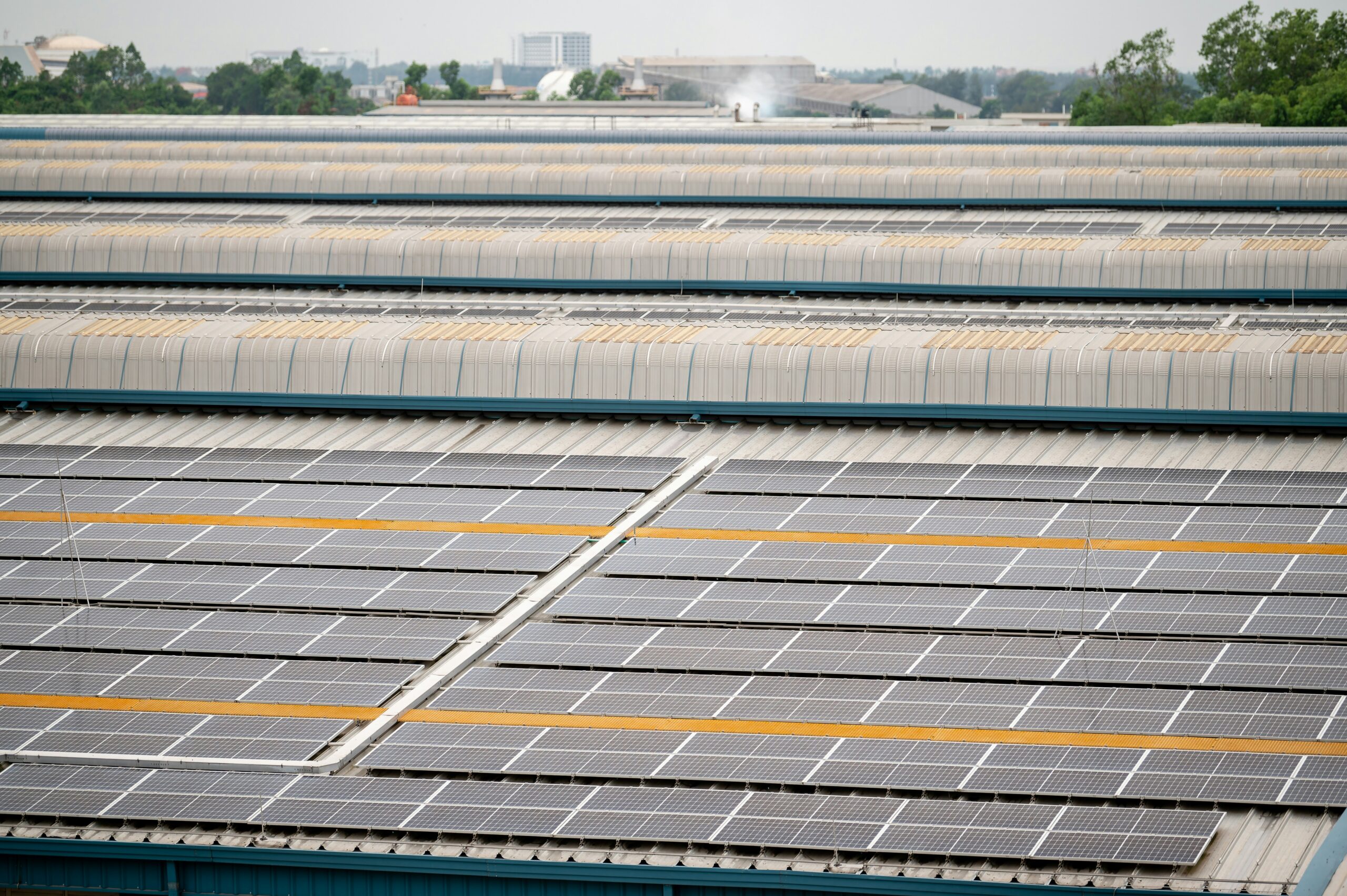
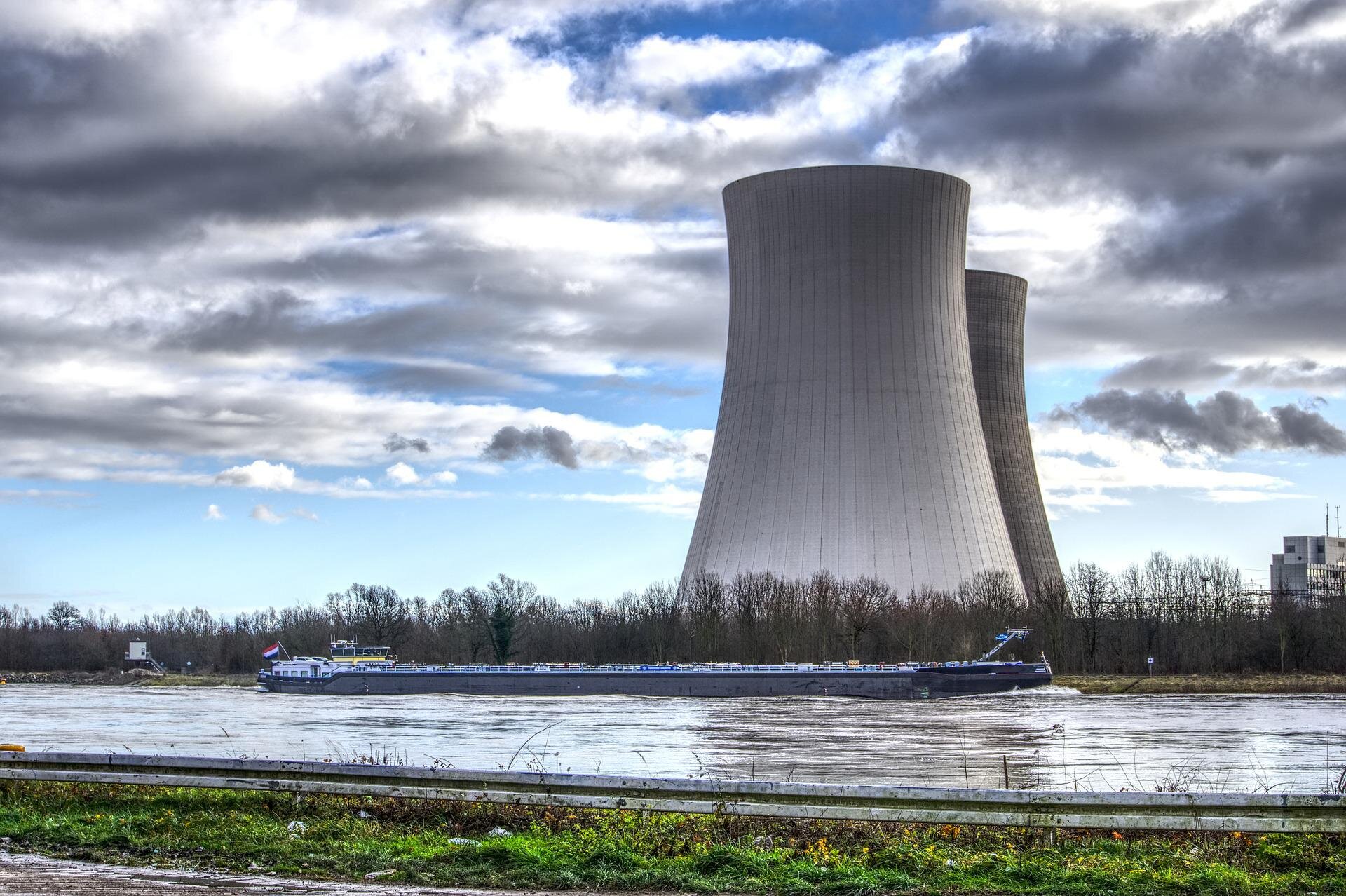
Nuclear power plants are designed to produce electricity steadily for 24 hours a day. But now that nuclear power plants share the electric grid with renewable energy sources that fluctuate based on the weather and time of day, their design is mismatched with modern operational needs. Rather than running constantly, nuclear power plants need to have greater flexibility in when they produce energy and when they pause.
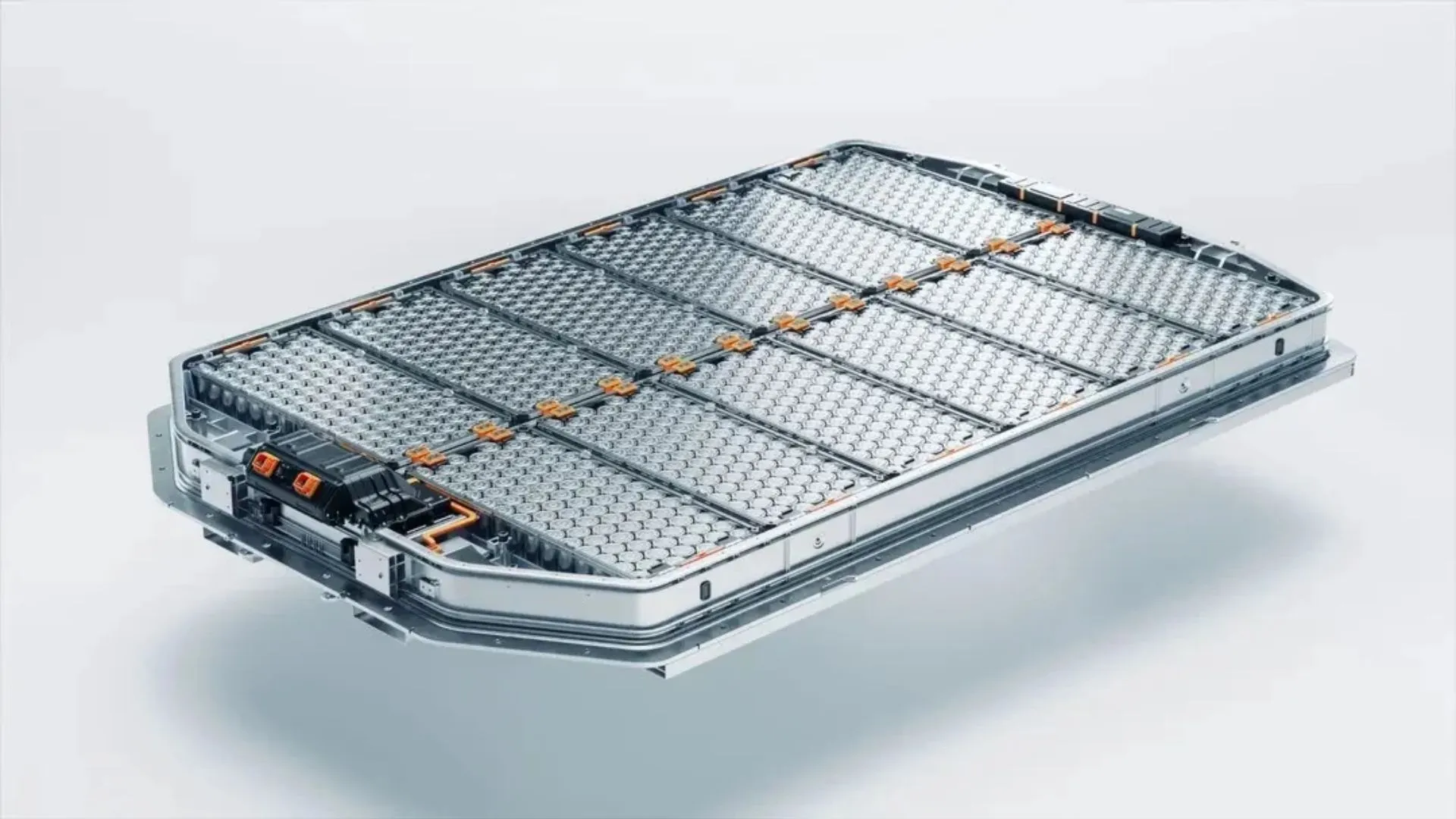
A group of researchers at the UCF Center for Advanced Turbomachinery and Energy Research (CATER) believes the solution to this challenge lies in thermal energy storage (TES), a technology system that collects and stores heat produced by a nuclear reactor until it is needed.
Their research on TES integration with nuclear power plants was published in the Journal of Energy Resources Technology, Part A: Sustainable and Renewable Energy. Their study, titled "Molten Salt Reactor Dispatch Optimization via Thermal Energy Storage: Coupled Thermodynamic Modeling and Rolling-Horizon Economic Analysis," combines thermodynamic modeling with an economic analysis of how nuclear power plants can financially operate in a changing energy market.
The authors of the study are doctoral research assistants Augusto Delavald Marques and Abhilash Prasad, postdoctoral scholar Shinjan Ghosh, Associate Professor Erik Fernandez, alumnus Marcel Otto and CATER Director Jayanta Kapat.
"Nuclear power needs to be flexible while nuclear reactors operate at a steady pace because grid demand varies throughout the day, and this is especially pronounced in grids with high solar penetration, which typically peaks around noon and diminishes toward night," Marques says.
Source link