One of the key expected outcomes from the upcoming COP31 climate summit in Antalya, Turkey, is the launch of a “just transition mechanism”.
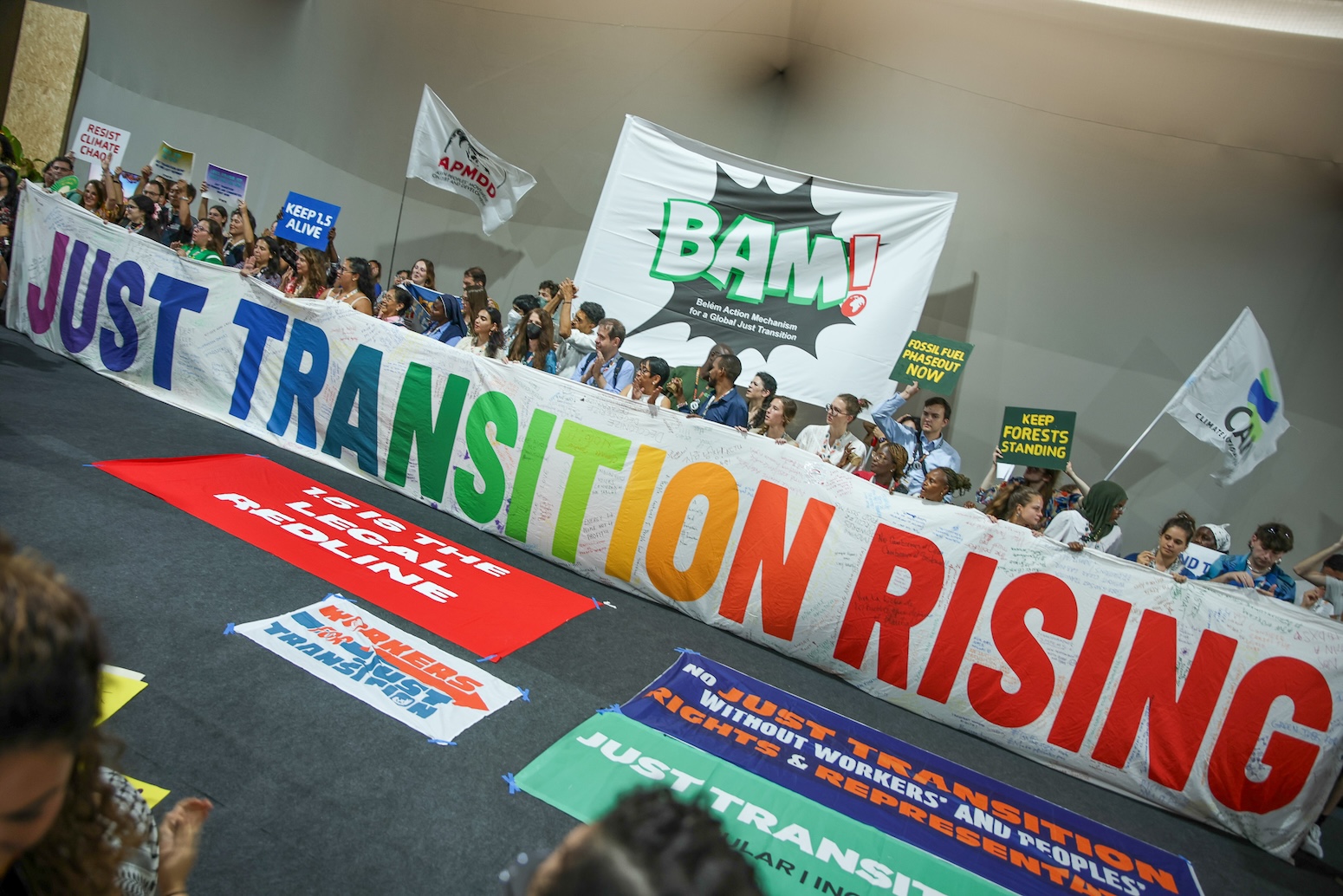
This follows years of calls from civil society to support a “just transition” as countries shift towards low-emissions energy systems and away from fossil fuels.
At the COP30 UN climate talks last year in the Brazilian city of Belém parties agreed to establish a “mechanism” to support this goal, called the “Belém-Antalya mechanism” (BAM).
Groups that have championed the BAM want it to act as a central hub on just transitions, providing support for workers and communities around the world.
However, the details of exactly what the much-touted BAM will consist of remain vague, with developed and developing countries disagreeing about its functions and purpose.
Disagreements continued at the UN climate talks in Bonn in June 2026, including on the crucial question of how the BAM will be financed.
Here, Carbon Brief looks at where the idea for the BAM came from, how it could support just transitions and what to expect from COP31.
A “just transition” is the idea that workers and communities should be supported in the shift to a low-carbon economy. It is a central principle behind the idea of climate justice.
Often, the term refers to those linked to the fossil-fuel industry, but it can also refer to transitions taking place in agriculture, heavy industry and various other sectors.
The concept originated in the 1980s, when US labour unions forged alliances with environmental justice groups.
Source link