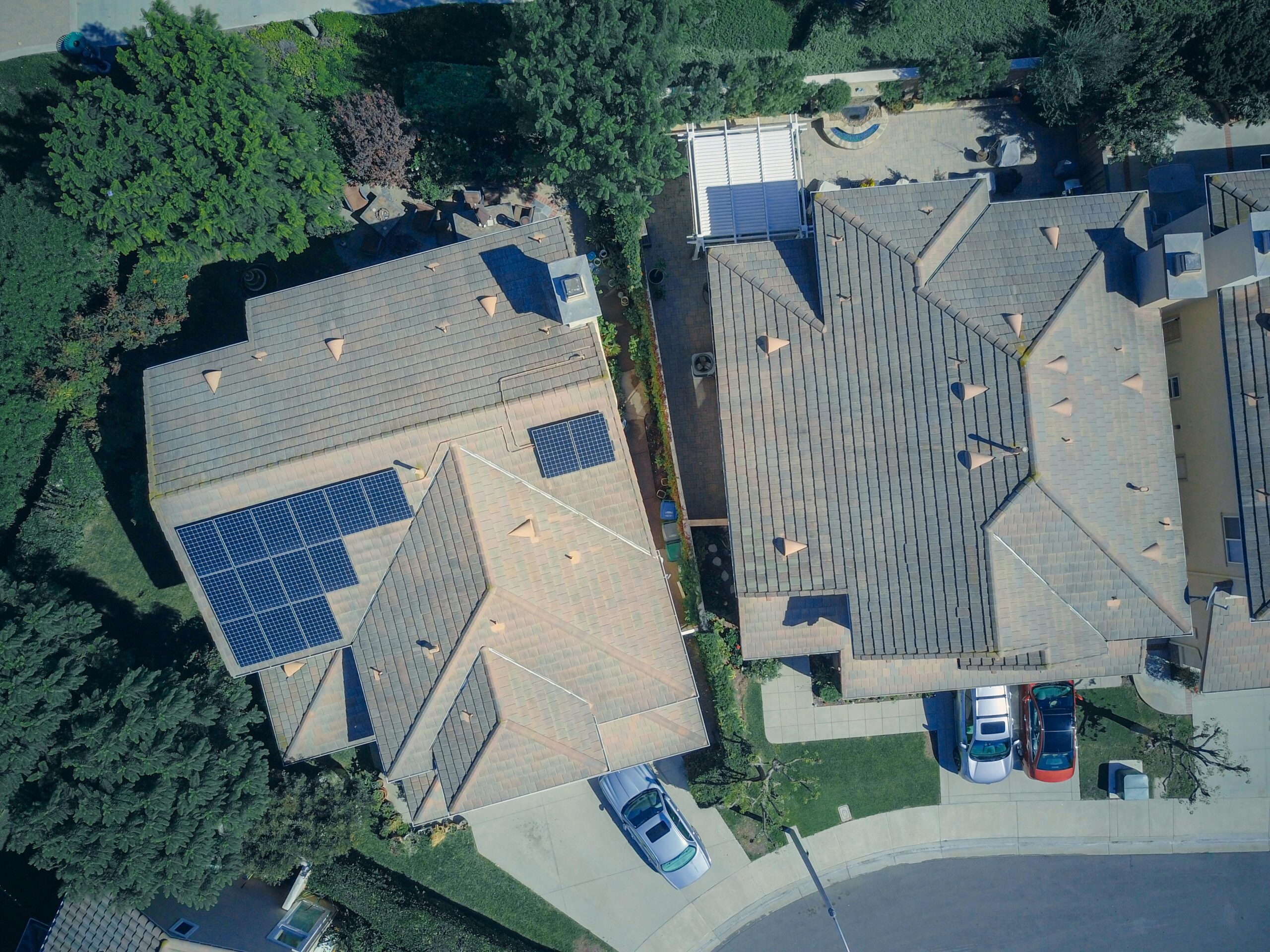
The European Sunrise consortium is working to eliminate the need for glass in certain photovoltaic applications by integrating solar cells directly into fiber-reinforced polymer composites. The approach could make it possible to manufacture lightweight modules that conform to curved or irregular surfaces, expanding the range of applications for integrated photovoltaics.
“The Sunrise project builds on work already validated by several partners before its launch,” Damien Gautier of the Becquerel Institute, who coordinates two of the project’s work packages, and project coordinator Jaime Cuartero told pv magazine.
The consortium brings together expertise in composite processing, particularly lamination and liquid composite molding (LCM), as well as previous experience integrating polycrystalline silicon cells into composite structures. The partners have also developed laser cutting, texturing and replication techniques to produce multifunctional surfaces. Laboratory and outdoor tests of these surfaces have demonstrated reductions in total reflection of up to 50%.
Building on these results, the project will focus on improving cell cutting, reversible electrical interconnections, molding and lamination processes, while developing encapsulants that facilitate module disassembly, repair and recycling. The consortium has already established the responsibilities of each partner and identified the materials and manufacturing processes to be developed.
Spain’s Aimen is leading research into laser cutting, texturing and LCM processes, while Germany’s Fraunhofer ISE is responsible for developing lamination techniques. Sweden’s Sticky Solar Power will develop a prototype string-manufacturing system using ribbon-deposition technology, which will subsequently be tested by Italy’s Solbian.
“At this stage, the work is primarily focused on the development and validation of these various processes,” the researchers said.
Source link