
The results of the US midterms on November 3 delivered a resounding victory for the Democrats, and a major loss for US president Donald Trump and the Republican party.
Gaining control of the Senate and the House of Representatives has emboldened the Democrats, giving them a renewed sense of political legitimacy and a mandate to pursue their agenda. But will this shift translate into meaningful changes in US climate change policy?
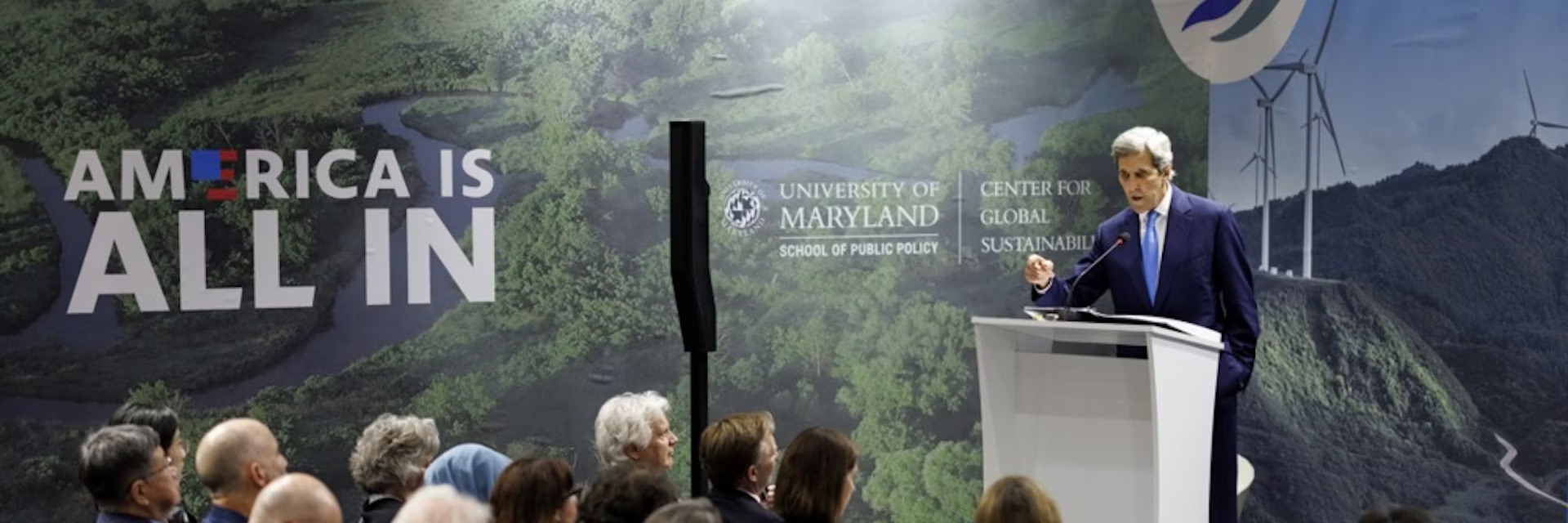
The Democratic sweep will change the political dynamics around US climate policy and how the country cooperates with the international community on this issue. Although there was no official US presence at the 2025 COP conference, held in Brazil, a coalition of 100 local US leaders, including governors, mayors and other top city and state officials, attended as part of the US Climate Alliance. Former US vice-president Al Gore, and former US secretary of state John Kerry are part of an unofficial US group at the 2026 gathering.
Kerry said in a speech there: “Americans are committed to taking back their future, and we will build and rebuild our partnerships as we do that.”
Being on the ground at COP is important. As the US has a decisive role to play in global climate policy, sending a non-official coalition signals that many Americans are still working to combat climate change.
Trump has repeatedly stated that climate change is a hoax and refused to attend the COP31 climate talks being held in Turkey. But 20 Democratic members of Congress will be attending, although they have been denied official state department funding for the trip.
Source link