Indonesia and Japan are looking to deepen cooperation on forest-based carbon projects, as Tokyo seeks additional credits to support its climate and emissions-trading goals, as reported by Indonesian news portal Tempo.
The discussions took place at the COP31 climate conference in Antalya, Türkiye, where Indonesia’s Deputy Forestry Minister Rohmat Marzuki met Japan’s Deputy Environment Minister Hiroshi Ono.
The countries are exploring opportunities through the Joint Crediting Mechanism, or JCM, and Article 6 of the Paris Agreement. Indonesia wants to develop projects that generate high-integrity carbon credits while directing economic benefits to communities.
Jakarta outlined four priorities: restoring 12 million hectares (nearly 30 million acres) of degraded land through carbon removal projects; protecting 50 million hectares (more than 123 million acres) of forests from deforestation and degradation; integrating carbon activities into 8.3 million hectares (some 20 million acres) covered by social forestry; and developing projects across 1.4 million hectares (3.5 million acres) of customary forests.
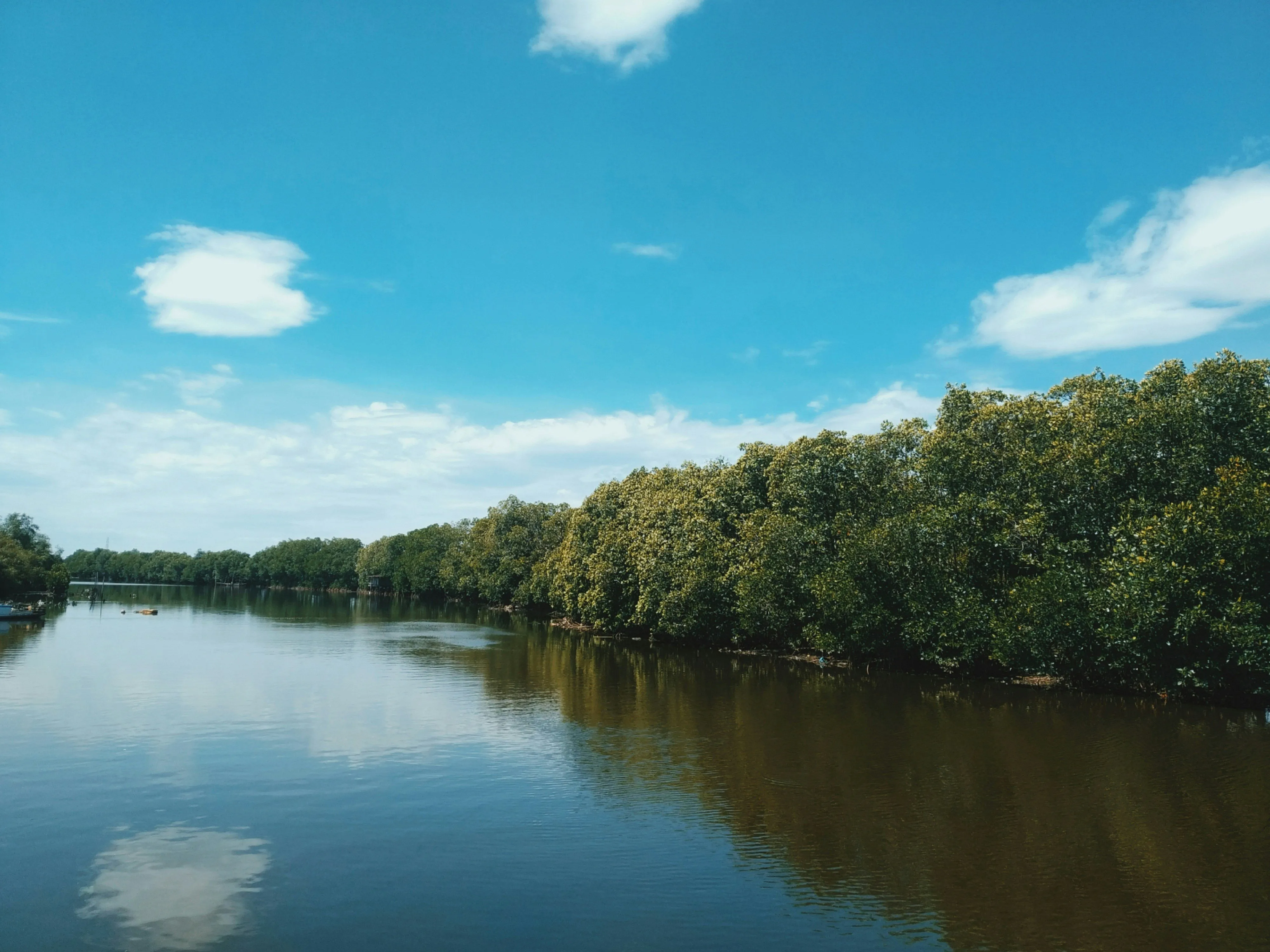
Peatlands and mangroves are expected to feature prominently in the proposed cooperation. Indonesian officials said projects should also deliver measurable gains in biodiversity, ecosystem resilience and community welfare, rather than being assessed solely on the volume of carbon removed or avoided.
The discussions also examined links with Japan’s Green Transformation Emissions Trading System (GX-ETS), which entered its mandatory phase in 2026. Japan aims to procure about 100 million tonnes of carbon dioxide (CO2) by 2030.
Indonesia sees an opportunity to supply credits from nature-based projects, including the rehabilitation of degraded landscapes. The JCM could connect Japanese demand with Indonesia’s restoration priorities, potentially attracting investment for conservation and local development alongside climate mitigation.
Source link