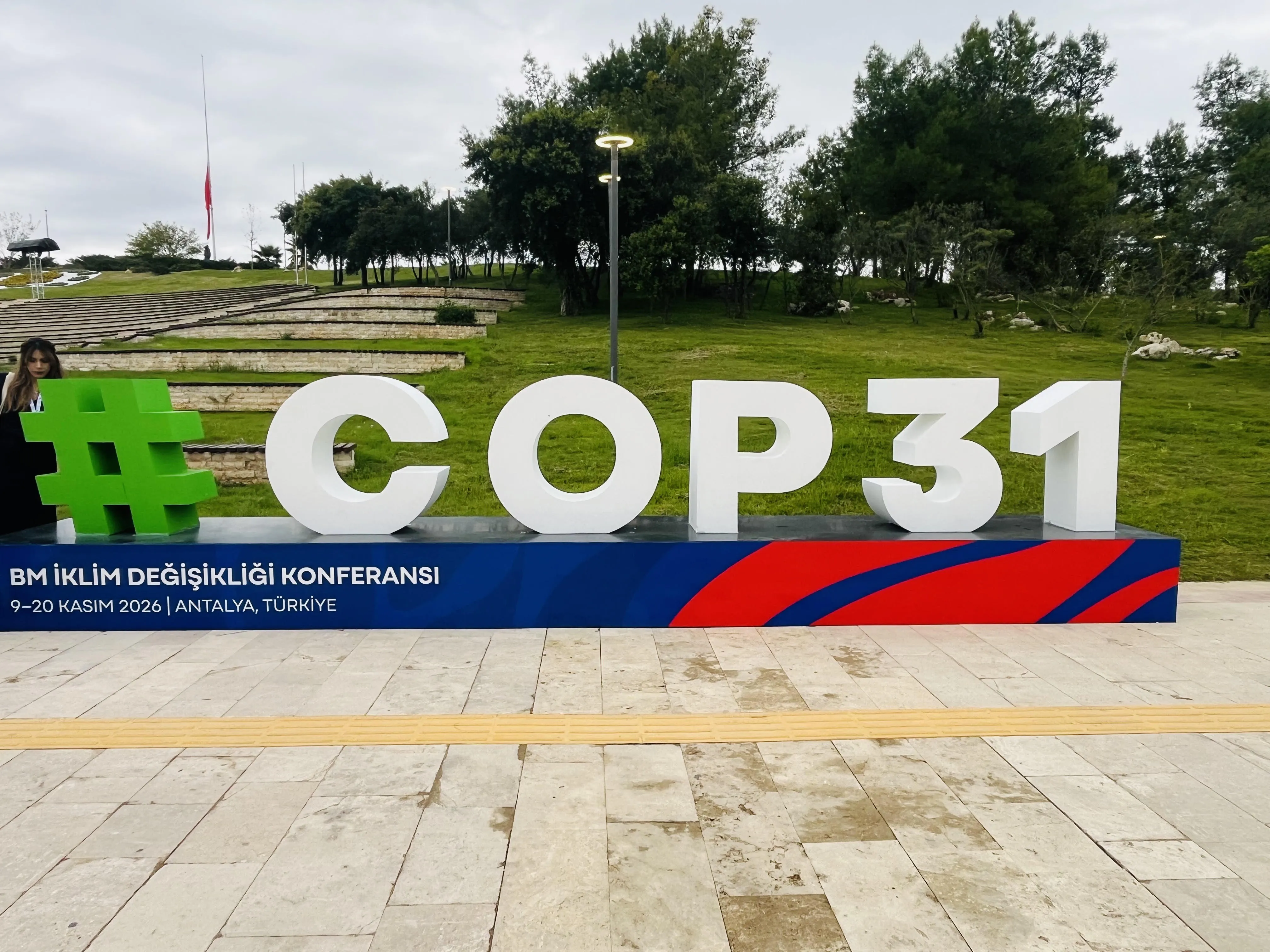
While carbon capture, utilization, and storage (CCUS) is rapidly scaling across North America and Northern Europe, the technology remains largely absent from Türkiye’s industrial landscape. However, during a dedicated panel at the Türkiye Academy Pavilion at COP31, researchers and policy experts outlined a pragmatic roadmap for introducing the technology to the country: pairing the maturing space of CCUS with the already established sector of waste-to-energy (WtE).
Drawing on a new discussion paper examining Türkiye’s municipal waste landscape, which generates over 32 million tons of waste annually, speakers argued that retrofitting WtE facilities represents the most logical first step for Turkish carbon management.
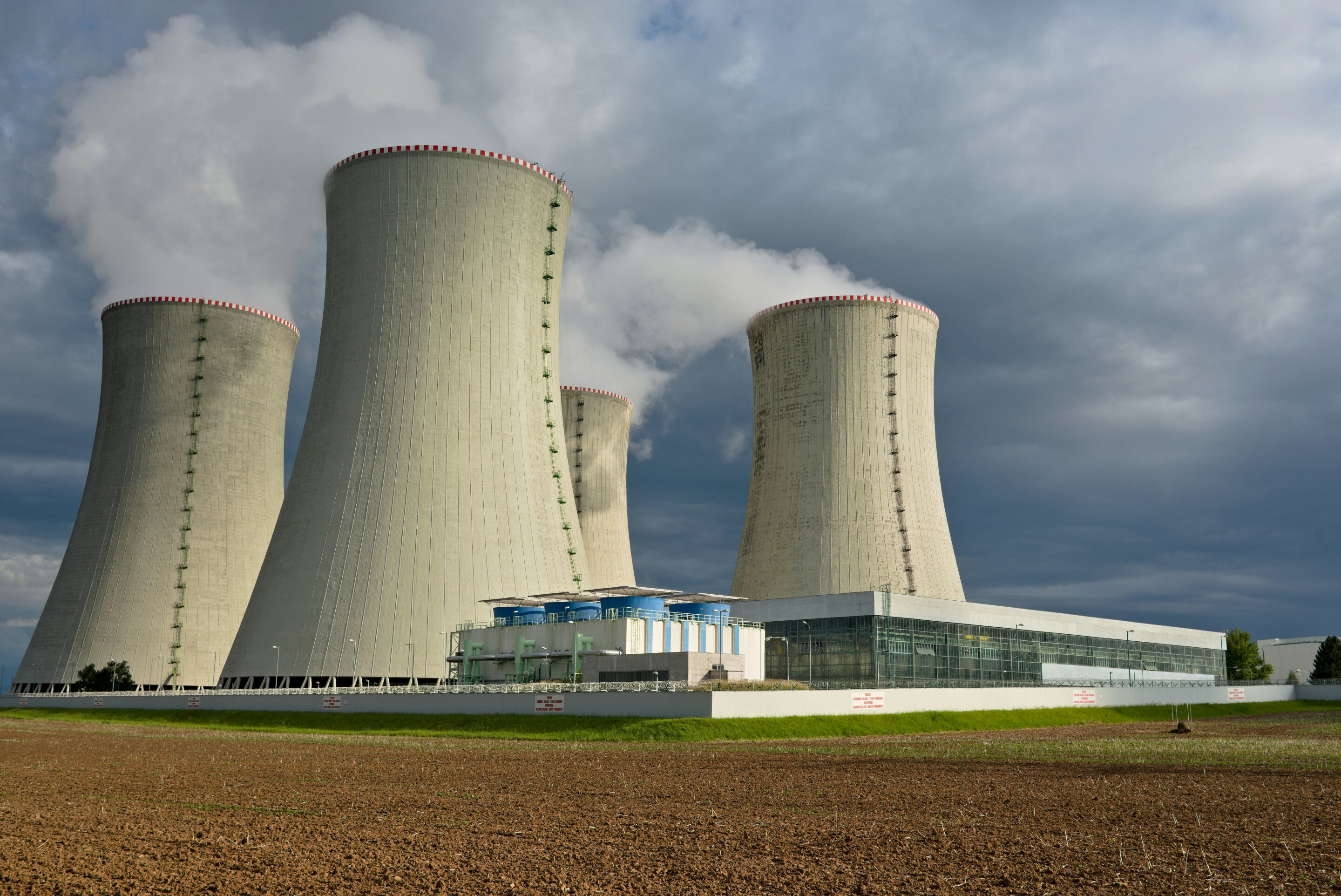
Unlike traditional landfills, which consume vast tracts of land and emit potent methane gas, modern WtE plants hygienically incinerate residual waste to generate electricity and district heat. Istanbul already hosts one of the region’s largest WtE facilities, proving that the base technology is commercially mature.
Adding carbon capture onto such facilities unlocks a unique climate advantage: while capturing emissions from burned plastics abates hard-to-reduce fossil CO2, capturing the biogenic fraction (from organic matter and paper) transforms the facility into a net-negative carbon removal engine.
Despite the technical synergy between mature waste infrastructure and emerging capture technologies, the panel emphasized that Türkiye must overcome three major bottlenecks before WtE-CCS can scale:
Relevant: COP31: Turkey To Develop Its Own CBAM As EU Carbon Costs Reshape Trade
Source link