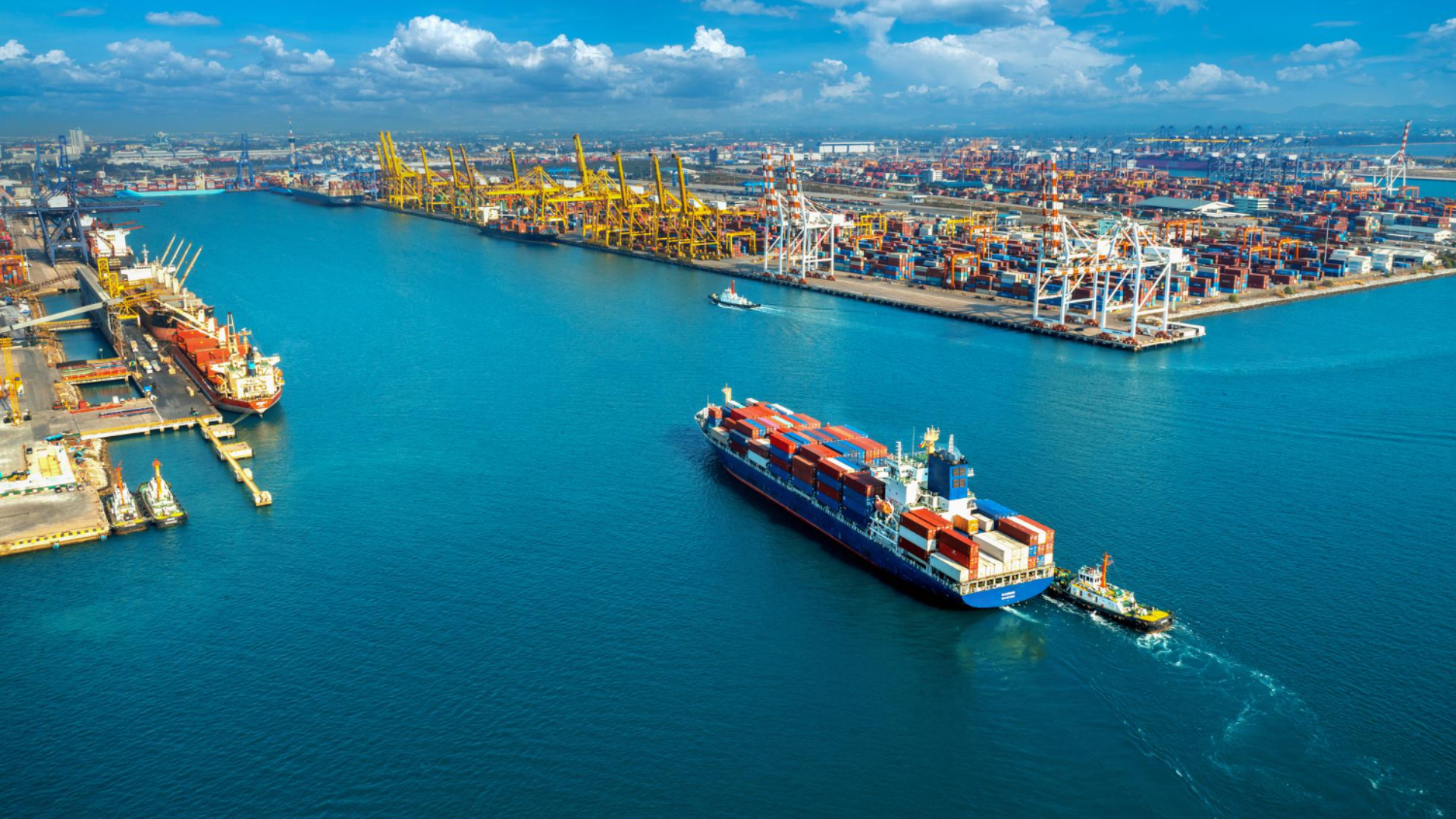
Chinese engineers have adapted a drag-reduction principle associated with high-speed underwater projectiles to improve the energy efficiency of commercial ships. A second-generation bubble-lubrication system installed on a newly built 50,000-tonne product and chemical tanker reportedly reduced net energy consumption by about 5% during a five-month operational trial.
Developed by the Shanghai Merchant Ship Design and Research Institute, the system injects compressed air beneath a vessel’s hull to create a layer of bubbles that reduces friction with the surrounding water.
The tanker has entered service, and the results suggest the technology could help shipping operators lower fuel consumption without changing their vessels’ primary propulsion systems. Furthermore, the institute estimates that a 5% reduction could save roughly one metric ton of fuel per day on a tanker of this size.
The technology draws on the broader principle of reducing contact between an object and surrounding water. Supercavitating torpedoes, for example, travel inside a gas-filled cavity that substantially reduces their contact with water, allowing them to reach extremely high underwater speeds.
The commercial shipping system uses a different implementation of the underlying idea. Rather than creating a large cavity around a fast-moving projectile, it continuously injects compressed air beneath the ship’s hull, forming a layer of microbubbles between the hull and seawater, the South China Morning Post reported.
This changes the flow of water close to the vessel’s surface, creating a gas-liquid mixture that reduces frictional resistance. With less resistance to overcome, the ship can require less propulsion power to maintain its speed.
Source link